
How Government Regulations Could Impact Trading
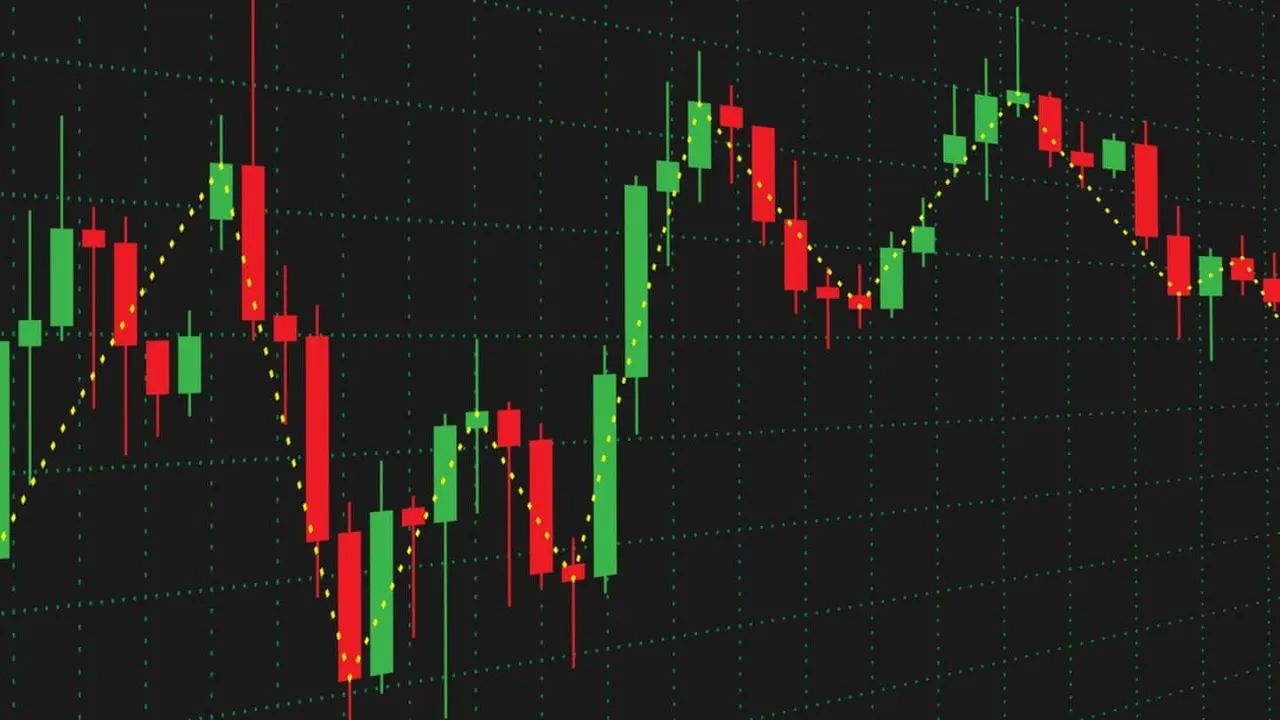
Trading plays a vital role in global financial markets, allowing investors, institutions, and businesses to buy and sell financial assets such as stocks, commodities, currencies, and cryptocurrencies. However, trading activities do not operate in isolation. Governments around the world establish rules and regulations to maintain fair markets, protect investors, and ensure economic stability. Understanding how government regulations could impact trading is essential for traders, investors, and financial institutions in today’s complex financial environment.
In this article, we will explore how government regulations influence trading practices, market behavior, and investor decisions.
Understanding Government Regulations in Trading
Government regulations are rules and policies created by regulatory authorities to supervise financial markets. These regulations aim to prevent fraud, maintain transparency, and ensure that trading activities operate fairly and responsibly.
Financial regulators oversee various aspects of trading, including:
-
Market transparency
-
Investor protection
-
Risk management
-
Financial reporting
-
Trading practices and compliance
Regulations apply to different types of trading markets, including stock markets, foreign exchange markets, and cryptocurrency exchanges.
Why Governments Regulate Financial Markets
Financial markets have the potential to influence entire economies. Without proper regulations, markets could become vulnerable to manipulation, fraud, and extreme volatility.
Governments regulate trading to achieve several important goals:
Protect Investors
One of the main reasons for regulation is to protect individual investors from scams, insider trading, and deceptive practices. Regulations require companies to disclose accurate financial information so investors can make informed decisions.
Maintain Market Stability
Government rules help prevent excessive risk-taking and market manipulation. Stable markets encourage investor confidence and attract long-term investments.
Promote Transparency
Regulations require companies and trading platforms to operate transparently. This helps reduce misinformation and ensures that all market participants have access to the same information.
Prevent Financial Crises
Regulatory frameworks help reduce systemic risks that could trigger economic downturns or financial crises.
Impact of Regulations on Trading Activities
Government regulations can influence trading in several ways. While some rules may limit certain practices, others help create safer and more transparent markets.
Changes in Market Volatility
When governments introduce new regulations, markets often react immediately. Traders may adjust their strategies based on the expected impact of these rules.
For example:
-
Stricter regulations may reduce risky trading behavior
-
New policies may increase market confidence
-
Sudden regulatory announcements can cause short-term volatility
Traders must stay updated with regulatory developments to adapt quickly.
Restrictions on Trading Practices
Certain regulations restrict risky or unethical trading practices such as insider trading, market manipulation, and excessive leverage.
Common regulatory restrictions include:
-
Limits on margin trading
-
Disclosure requirements for companies
-
Monitoring of insider transactions
-
Compliance rules for trading platforms
These measures help maintain fairness in financial markets.
Increased Compliance Requirements
Regulations often require brokers, trading firms, and financial institutions to follow strict compliance procedures.
Examples include:
-
Identity verification for traders
-
Anti-money laundering (AML) regulations
-
Reporting large financial transactions
-
Data protection and cybersecurity rules
Although these requirements may increase operational costs for firms, they help build trust and security within financial markets.
Impact on Cryptocurrency Trading
Cryptocurrency trading has grown significantly in recent years, prompting governments to introduce regulations to manage risks.
Regulatory actions may include:
-
Licensing requirements for crypto exchanges
-
Tax policies on cryptocurrency profits
-
Restrictions on certain digital assets
-
Consumer protection laws
While some regulations may limit speculative trading, others help legitimize the cryptocurrency market and encourage institutional investment.
Influence on International Trading
Government policies also affect global trading activities. Different countries have unique financial regulations, which can influence how international traders operate.
Examples include:
-
Capital controls restricting cross-border transactions
-
Import and export policies affecting commodity markets
-
Trade sanctions impacting international investments
Traders who operate in global markets must understand the regulatory frameworks of multiple countries.
The Role of Regulatory Agencies
Many countries have dedicated agencies responsible for monitoring and enforcing financial regulations.
These agencies typically oversee:
-
Market surveillance
-
Licensing of brokers and exchanges
-
Investigation of fraudulent activities
-
Implementation of new regulatory policies
Their primary goal is to ensure that markets remain fair, transparent, and efficient.
Advantages of Government Regulations for Traders
Although some traders view regulations as limitations, they also provide several important benefits.
Improved Market Transparency
Regulations require companies to disclose financial reports and important business information. This transparency helps traders analyze market conditions more accurately.
Increased Investor Confidence
When markets are regulated, investors feel more secure about participating. This leads to higher trading volumes and stronger market liquidity.
Protection Against Fraud
Strict rules reduce the likelihood of scams, insider trading, and market manipulation.
Long-Term Market Stability
Regulated markets tend to be more stable and reliable over time, benefiting both individual traders and large financial institutions.
Challenges Regulations May Create
Despite their benefits, regulations can also present challenges for traders and financial institutions.
Reduced Trading Flexibility
Some rules may limit the use of certain trading strategies, such as high leverage or speculative trading.
Increased Costs for Brokers
Compliance requirements can increase operational costs for brokerage firms and trading platforms.
Market Uncertainty
Unexpected regulatory changes can create short-term uncertainty in financial markets.
Traders who stay informed about policy developments are better prepared to manage these challenges.
How Traders Can Adapt to Regulatory Changes
To succeed in regulated markets, traders should adopt a proactive approach.
Key strategies include:
-
Staying updated with financial news and policy announcements
-
Understanding the regulatory environment of the markets they trade in
-
Using compliant and regulated trading platforms
-
Maintaining proper records for tax and reporting purposes
Educated traders are more likely to navigate regulatory changes successfully.
The Future of Trading Regulations
As financial markets continue to evolve, government regulations will also change. Emerging technologies such as artificial intelligence, algorithmic trading, and blockchain are creating new opportunities and challenges for regulators.
Future regulatory trends may include:
-
Stronger oversight of digital assets
-
Advanced monitoring of algorithmic trading
-
Global cooperation between financial regulators
-
Increased focus on cybersecurity and data protection
Traders who understand these evolving regulations will be better positioned to adapt and succeed in the future.
Conclusion
Government regulations play a crucial role in shaping financial markets and trading activities. While some regulations may limit certain practices, they are designed to protect investors, maintain market stability, and promote transparency.
Understanding how government regulations impact trading allows traders to make informed decisions and adjust their strategies accordingly. By staying updated with regulatory developments and adopting responsible trading practices, investors can navigate regulated markets successfully and take advantage of new opportunities.
In an ever-changing financial landscape, awareness of government policies and regulations is essential for long-term trading success.

 English
 Arabic
 Spanish
 Portuguese
 Deutsch
 Turkish
 Dutch
Dutch
 Italiano
 Russian
 Romaian
 Portuguese (Brazil)
 Greek
Greek