
Comparing Energy Density and Safety of Lithium Batteries
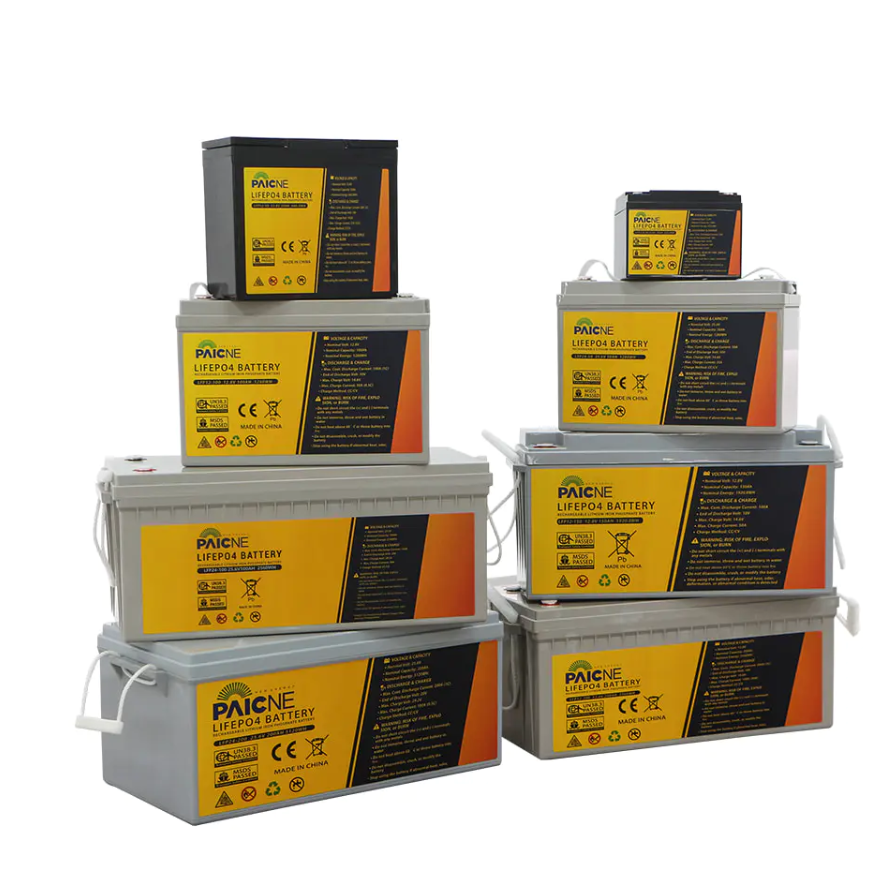
Overview of Lithium Battery Chemistries
Lithium-based batteries include various chemistries such as lithium cobalt oxide (LCO), lithium nickel manganese cobalt oxide (NMC), lithium nickel cobalt aluminum oxide (NCA), and lithium iron phosphate (LiFePO4). Each type balances energy density, safety, cost, and lifespan differently. The Lithium Iron Phosphate Battery has emerged as a prominent alternative due to its unique combination of high thermal stability, long cycle life, and safety advantages, although its energy density is somewhat lower than high-cobalt or high-nickel chemistries. Understanding these differences is critical for applications ranging from electric vehicles to stationary energy storage systems.
Energy Density Comparisons
Energy density determines how much energy a battery can store relative to its weight or volume. High-energy-density batteries like LCO and NCA can store more energy in a smaller form factor, which is advantageous for applications requiring compact and lightweight power sources. However, the Lithium Iron Phosphate Battery typically offers slightly lower energy density. While this can result in larger or heavier battery packs for the same energy output, the trade-off is often acceptable in applications where safety, longevity, and thermal performance are more critical than minimal size or weight.
Safety Advantages
Safety is a primary distinguishing feature of the Lithium Iron Phosphate Battery. Its phosphate-based cathode exhibits excellent thermal and chemical stability, significantly reducing the risk of thermal runaway or fire during overcharging, short circuits, or mechanical abuse. Other lithium chemistries, particularly LCO or NCA, are more prone to overheating under similar stress conditions due to the higher reactivity of their cathode materials. The inherent safety of LiFePO4 cells makes them suitable for high-temperature environments, heavy-duty applications, and systems where reliability is critical, such as electric buses, residential energy storage, and industrial equipment.
Cycle Life and Degradation
Another advantage of lithium iron phosphate chemistry is its extended cycle life. Compared with higher energy-density chemistries, LiFePO4 batteries experience slower capacity degradation over time and maintain consistent performance over thousands of charge-discharge cycles. This reliability reduces the frequency of replacement, lowers operational costs, and minimizes energy and material consumption compared with conventional or less stable lithium batteries. The combination of long life and superior safety also contributes to lower environmental impact and higher overall system efficiency.
Energy Efficiency Advantages Compared with Traditional Batteries
The Lithium Iron Phosphate Battery not only offers safety and longevity benefits but also provides energy efficiency advantages over traditional lead-acid or nickel-based batteries. Low internal resistance reduces heat generation during charge and discharge cycles, minimizing energy loss. Efficient charge acceptance, combined with high coulombic efficiency, ensures that most of the input energy is stored and usable. This efficiency, coupled with long cycle life, reduces the need for frequent replacements, lowering both energy consumption and operational costs over the system’s lifespan.
Compared with other lithium chemistries, the Lithium Iron Phosphate Battery provides a balanced combination of safety, reliability, and energy efficiency, even though its energy density is modestly lower. Its superior thermal stability, resistance to thermal runaway, and long cycle life make it highly suitable for applications requiring dependable performance under challenging conditions. Additionally, its energy efficiency advantages over traditional batteries, including reduced heat loss and longer operational life, make it a sustainable and cost-effective choice for electric vehicles, energy storage systems, and industrial applications.
Product Features:
1. High energy density: Lithium iron phosphate batteries have a high energy density, providing longer usage time and higher power output.
2. Long life: Lithium iron phosphate batteries use advanced materials and manufacturing processes, resulting in a longer service life and the ability to withstand more charge and discharge cycles.
3. High temperature tolerance: Lithium iron phosphate batteries can operate normally in high-temperature environments without being damaged or reducing performance due to excessive heat.
4. Fast charging: Lithium iron phosphate batteries support fast charging, allowing them to be fully charged in a short time, improving efficiency.
5. Safety performance: Lithium iron phosphate batteries have high safety performance, ensuring no explosion or fire hazards occur, making them safer and more reliable for use.

 English
 Arabic
 French
 Spanish
 Portuguese
 Deutsch
 Turkish
 Dutch
Dutch
 Italiano
 Russian
 Romaian
 Greek
Greek