
Stretching Exercises to Improve Flexibility
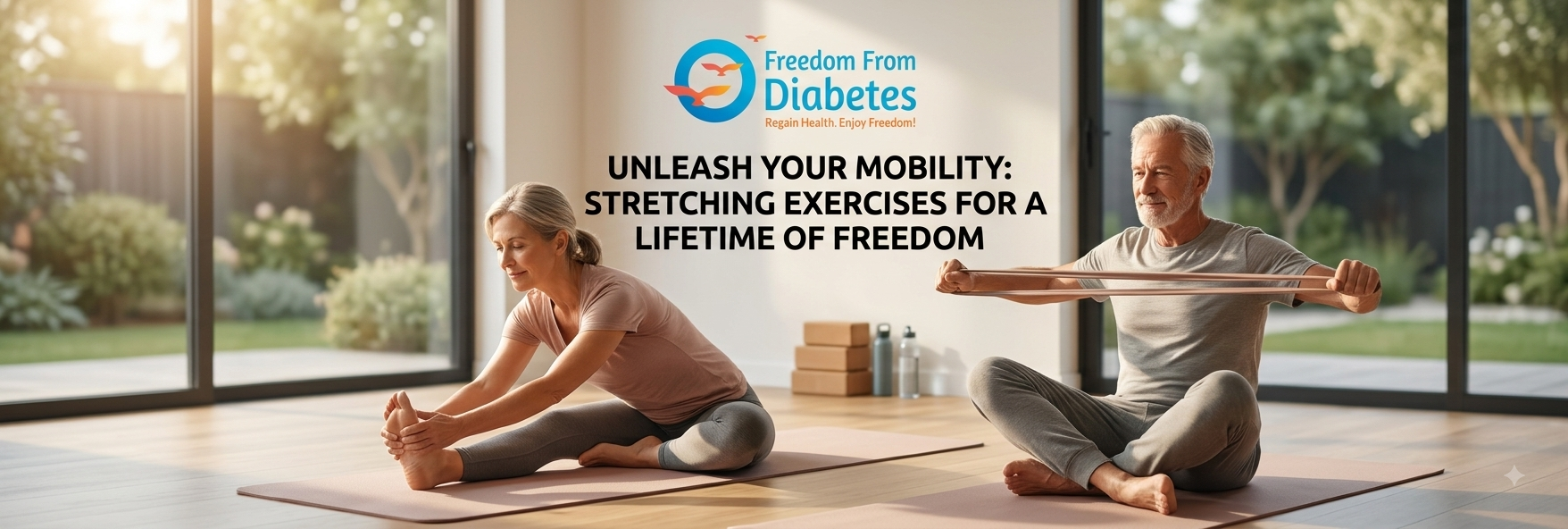
Stretching Exercises to Improve Flexibility
Flexibility is an important part of overall fitness and can make everyday movements easier and more comfortable. Regular stretching can help maintain a healthy range of motion, improve mobility, and prepare the body for physical activity. The good news is that stretching does not require expensive equipment or a gym membership.
Whether you are a beginner, regularly exercise, or simply spend many hours sitting during the day, adding a few simple stretches to your routine can be beneficial. The key is to stretch consistently and avoid forcing your body beyond its comfortable range.
Start With a Gentle Warm-Up
Before performing deeper stretches, spend a few minutes warming up. Light walking, marching in place, or gentle arm movements can increase circulation and prepare your muscles for stretching.
Stretching cold muscles aggressively may be uncomfortable, so begin with easy movements and gradually increase your range of motion.
Neck and Shoulder Stretch
Neck and shoulder stretches are especially useful for people who spend long periods working at a desk or looking at screens.
Slowly tilt your head toward one shoulder while keeping the opposite shoulder relaxed. Hold the comfortable position for several seconds before returning to the center and switching sides.
For the shoulders, gently roll them backward and forward to release tension and encourage mobility.
Arm and Shoulder Stretch
Bring one arm across your chest and use the opposite arm to gently draw it closer. Keep your shoulders relaxed and avoid pulling forcefully.
This simple stretch can be included after upper-body workouts or during breaks from desk work.
Standing Side Stretch
Stand upright with your feet comfortably apart. Raise one arm overhead and gently lean your upper body toward the opposite side.
You should feel a comfortable stretch along the side of your body. Return to the center and repeat on the other side.
Keep the movement controlled rather than bending or twisting quickly.
Chest Stretch
Tight chest muscles can develop when you spend a lot of time sitting or working at a computer.
Stand near a doorway and gently place your forearms against the doorframe. Step forward slightly until you feel a comfortable stretch across your chest.
Avoid pushing too far, and stop if you experience pain.
Hamstring Stretch
The hamstrings are located at the back of the thighs. Tight hamstrings can make certain movements feel restricted.
Sit on the floor with one leg extended and the other leg comfortably bent. Keeping your back relatively straight, gently lean toward the extended leg.
You do not need to touch your toes. Focus on a mild, comfortable stretch rather than reaching as far as possible.
Quadriceps Stretch
The quadriceps are the muscles at the front of your thighs.
While standing near a wall or sturdy surface for support, bend one knee and bring your heel toward your hips. Hold your ankle gently and keep your knees relatively close together.
Switch sides after holding the stretch comfortably.
Calf Stretch
Stand facing a wall with your hands against it. Step one foot backward and keep the heel on the floor while gently bending the front knee.
Lean forward slightly until you feel a stretch in the calf of the back leg. Switch sides and repeat.
Calf stretches can be particularly useful after walking or other lower-body activities.
Hip Flexor Stretch
The hip flexors can become tight after sitting for extended periods.
Start in a comfortable half-kneeling position with one foot forward. Gently shift your hips forward while keeping your upper body upright.
Hold the position comfortably before switching sides. Avoid arching your lower back excessively.
Lower-Back and Child's Pose Stretch
A gentle child's pose can help you relax and stretch the back and hips.
Kneel comfortably and slowly lower your upper body forward while extending your arms in front of you. Rest in a comfortable position and breathe slowly.
If this position is uncomfortable for your knees or back, choose a gentler alternative.
Stretch After Exercise
Stretching can be included after walking, strength training, dancing, or other physical activities. When the muscles are warm, gentle static stretches may feel more comfortable.
Hold each stretch without bouncing and breathe normally. There is no need to push through pain to improve flexibility.
Practice Consistently
Flexibility usually improves gradually rather than overnight. Spending 5–15 minutes stretching several times a week can be more practical than doing one long stretching session occasionally.
Consistency, controlled movements, and patience are important for making flexibility work part of your lifestyle.
Combine Stretching With Other Activities
Stretching is only one part of physical fitness. Combining flexibility exercises with walking, strength training, balance exercises, and other forms of movement can create a more complete fitness routine.
Staying active throughout the day is also useful, particularly if your daily routine involves long periods of sitting.
Listen to Your Body
Stretching should generally feel gentle and controlled. Sharp pain, numbness, tingling, or significant discomfort is a reason to stop the exercise.
People recovering from an injury or dealing with ongoing pain should seek guidance from a qualified healthcare professional or physical therapist before beginning a new stretching routine.
Conclusion
Stretching exercises can be a simple and effective way to improve flexibility and maintain mobility. Gentle neck, shoulder, chest, hamstring, quadriceps, calf, and hip stretches can easily be performed at home without special equipment. The most important factors are consistency, proper technique, and respecting your body's limits. By making stretching a regular part of your daily routine and combining it with other forms of physical activity, you can gradually improve flexibility and support better movement and overall fitness.
Regular stretching and physical activity can be included as part of a healthy lifestyle that supports diabetes management. Simple mobility exercises can make staying active more comfortable and sustainable.
Along with regular movement, balanced nutrition and consistent healthy habits can complement diabetes management goals. A routine that includes flexibility, activity, and mindful eating can support overall wellness.
https://www.freedomfromdiabetes.org/

 Arabic
 French
 Spanish
 Portuguese
 Deutsch
 Turkish
 Dutch
Dutch
 Italiano
 Russian
 Romaian
 Portuguese (Brazil)
 Greek
Greek