
What Do Rental Fleets Want From An Electric Moped?
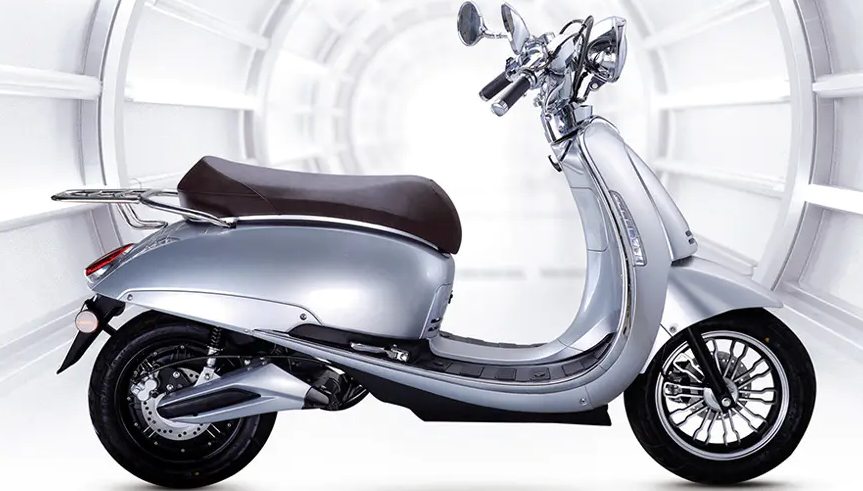
Rental fleet managers evaluating an electric moped for shared-use programs think differently compared alongside individual buyers picking a personal ride. Fleet purchasing decisions revolve around uptime, durability under constant handoffs between strangers, and how quickly a unit can get swapped or serviced between rides without pulling an entire fleet offline.
Battery swap capability ranks near the top of every fleet buyer's checklist. Mopeds requiring a rider to plug in and wait hours don't suit rental operations moving hundreds of riders through a single unit daily. Suppliers offering an electric moped built around removable battery packs let operators swap depleted units within minutes, keeping vehicles circulating across a city rather than sitting parked at charging stations.
Durability testing matters here beyond typical consumer expectations. Shared electric moped units absorb rough handling constantly — dropped kickstands, uneven parking, riders unfamiliar with proper mounting technique. Fleet buyers request reinforced frame welds, weatherproof electrical housings, and tires rated for curb impacts, specifications rarely emphasized inside personal-use marketing materials but critical for operators running vehicles outdoors around the clock.
GPS integration and remote lock capability increasingly come standard across fleet-oriented electric moped models, letting operators track location, monitor battery levels remotely, and disable units flagged for suspicious activity. Buyers sourcing fleet vehicles now request built-in telematics hardware rather than aftermarket add-ons, since factory-integrated systems tend toward better reliability and cleaner wiring inside the frame.
Seating and cargo configuration split fleet buyers into distinct camps. City bike-share style programs favor lighter, minimal electric moped designs focused purely on rider transport, while delivery-oriented fleets want rear cargo racks and stronger load capacity built directly into the frame rather than bolted on afterward. Suppliers offering configurable trims under one base platform give fleet buyers room to mix vehicle types without managing separate supplier relationships.
Insurance and liability considerations shape purchasing decisions too, fleet operators favoring models with documented safety certifications and consistent braking performance across every unit in a batch. Inconsistent quality across a shipment creates liability exposure operators actively try avoiding through careful supplier vetting before signing contracts.
Cities expanding micro-mobility programs keep pushing fleet buyers toward larger electric moped orders, and suppliers capable documenting consistent specs, reliable battery performance, and durable construction across bulk shipments tend toward winning repeat contracts over operators forced switching suppliers mid-program.

 English
 Arabic
 French
 Spanish
 Portuguese
 Deutsch
 Dutch
Dutch
 Italiano
 Russian
 Romaian
 Portuguese (Brazil)
 Greek
Greek