Choosing the right API for geolocation services can feel overwhelming, especially when pricing models vary so widely. If you are trying to evaluate IP geolocation API pricing, it is important to understand not just the cost, but the value behind what you are paying for. From request limits to data accuracy, several factors influence how pricing is structured. This guide will help you break down those components and make a confident decision.
Understanding the Basics of IP Geolocation Pricing
Before comparing providers, it helps to know how pricing generally works in this space. Most APIs charge based on usage, meaning the number of requests you make determines your monthly bill. Some providers also offer tiered pricing plans, where higher tiers unlock better accuracy, faster response times, or additional features.
In many cases, you will find a free ip address locator API option that allows limited requests per month. While these free plans are useful for testing or small projects, they often come with restrictions such as lower data precision or slower performance. Therefore, evaluating whether a free plan meets your needs is the first step.
Key Factors That Influence Pricing
When comparing different APIs, pricing alone should not be your only focus. Several underlying factors determine whether a plan is actually worth the cost.
Request Volume and Rate Limits
Most providers charge based on the number of API calls you make. For example, a small blog may only need a few thousand requests per month, while a large e-commerce platform may require millions. Understanding your expected usage helps you avoid overpaying for unused capacity or hitting unexpected limits.
Data Accuracy and Coverage
Higher pricing tiers often include more accurate location data, such as city-level or even ZIP-code-level precision. If your application depends on detailed targeting, investing in better accuracy is usually worth the cost. A simple ip to location API might suffice for basic country-level detection, but advanced use cases demand more granular data.
Response Speed and Reliability
Speed matters, especially for real-time applications. APIs with faster response times typically cost more because they rely on robust infrastructure. If your application handles user personalization or fraud detection, even a slight delay can impact user experience.
Additional Features
Some APIs include extra capabilities like threat detection, proxy identification, or timezone data. While these features can increase pricing, they also add value by reducing the need for additional tools. A well-rounded location API can replace multiple services, saving money in the long run.
Comparing Pricing Models Across Providers
Not all pricing structures are the same, and understanding these differences can help you make a smarter choice.
Pay-As-You-Go vs Subscription Plans
Pay-as-you-go pricing charges you for exactly what you use. This model is flexible and ideal for projects with unpredictable traffic. On the other hand, subscription plans offer fixed pricing for a set number of requests. These are often more cost-effective for consistent usage.
Free Tiers and Trial Options
Many providers offer a geolocation api key free plan to attract new users. These free tiers are great for testing integration and performance. However, they may include limitations such as reduced request speed or limited support. Always check what happens when you exceed the free quota, as overage charges can add up quickly.
Scalability and Hidden Costs
As your project grows, your API usage will likely increase. Look for pricing plans that scale smoothly without sudden jumps in cost. Also, pay attention to hidden fees such as charges for additional features or premium support.
Practical Tips for Evaluating API Pricing
Choosing the right API is not just about comparing numbers on a pricing page. A thoughtful approach can save both time and money.
First, estimate your monthly usage as accurately as possible. This helps you select a plan that matches your needs without unnecessary overhead. Next, test the API using a free plan or trial version to evaluate performance and data quality.
It is also wise to consider long-term costs. An API that seems cheap initially may become expensive as your traffic grows. Conversely, a slightly higher upfront cost may offer better value through improved accuracy and reliability.
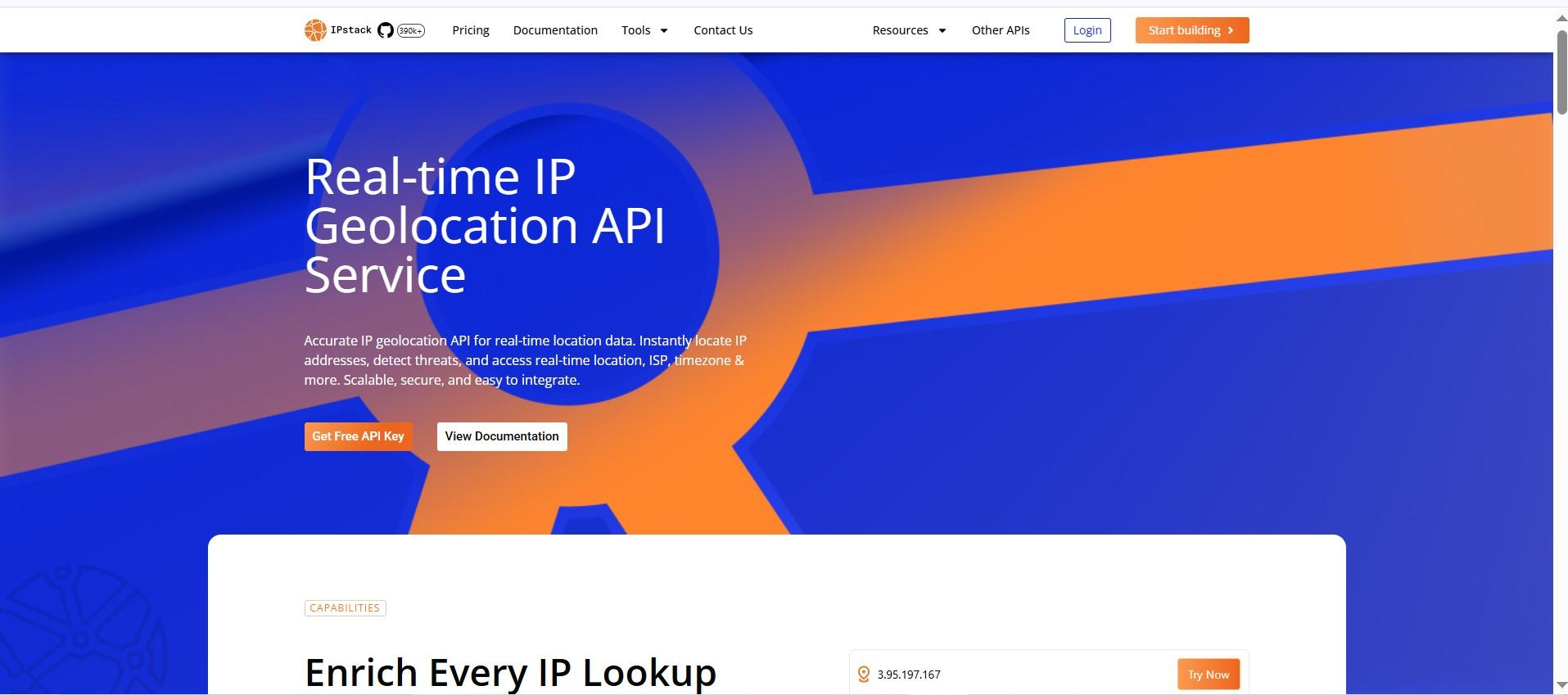
Another useful strategy is to check documentation and ease of integration. A well-documented API reduces development time, which indirectly lowers costs. Platforms like ipstack are often used as examples of how clear documentation and flexible pricing can simplify implementation.
Balancing Cost and Value
Ultimately, the goal is to find a balance between cost and functionality. A low-cost API may save money initially but could compromise on accuracy or speed. On the other hand, a premium API might offer advanced features that you do not actually need.
Think about your specific use case. For instance, a content website may only need basic geolocation to display localized content, while a fintech application might require precise data and fraud detection capabilities. Matching the API’s features to your requirements ensures you are paying for value rather than unnecessary extras.
Common Mistakes to Avoid
Many users make the mistake of focusing solely on price without considering performance. This can lead to poor user experience or even system failures. Another common error is underestimating usage, which results in unexpected overage charges.
It is also important not to rely entirely on free plans for production environments. While a free ip address locator API is useful for testing, it may not provide the reliability needed for live applications.
Conclusion
Comparing API pricing is not just about finding the cheapest option. It is about understanding what you are getting for your money and how it aligns with your needs. By evaluating factors such as request volume, accuracy, speed, and additional features, you can make a well-informed decision.
As you explore different options, remember that tools like a location API or ip to location API can vary significantly in value. Taking the time to test and compare ensures you choose a solution that delivers both performance and cost efficiency. In the end, whether you are using a free tier or a paid plan, understanding the nuances of IP geolocation API pricing will help you maximize your investment. And as you move forward, exploring solutions like the ipinfo API can also provide valuable insights into how different pricing models are structured.
FAQs
What is IP geolocation API pricing based on?
IP geolocation API pricing is typically based on the number of requests you make, along with factors like data accuracy, response speed, and additional features.
Are free geolocation APIs reliable?
Free APIs can be useful for testing and small projects, but they often have limitations in accuracy, speed, and request limits, making them less suitable for large-scale applications.
How do I choose the right pricing plan?
Start by estimating your monthly usage and required features. Then compare plans based on cost, scalability, and performance to find the best fit.
Can I switch plans later?
Yes, most providers allow you to upgrade or downgrade your plan as your needs change, making it easier to scale your usage over time.
What should I look for besides price?
In addition to pricing, consider data accuracy, API reliability, response time, and ease of integration when choosing a geolocation API.


 English
 Arabic
 French
 Spanish
 Portuguese
 Deutsch
 Turkish
 Dutch
Dutch
 Italiano
 Russian
 Portuguese (Brazil)
 Greek
Greek