
How Does a Deep Well Pump Work in Water Systems?
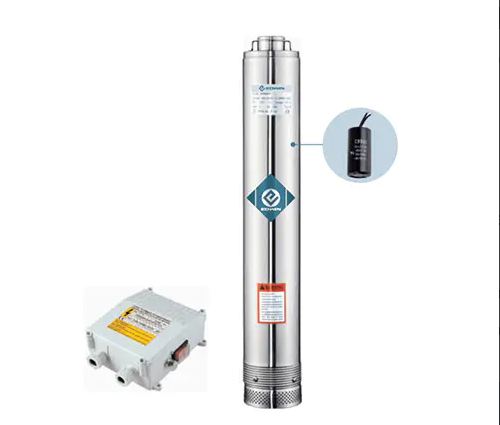
A Deep Well Pump is an essential component for accessing water from wells that reach considerable depths. Unlike shallow pumps, deep well pumps are designed to handle situations where water needs to be lifted from sources well below the ground surface. They are commonly used in residential, agricultural, and industrial applications where a consistent water supply is necessary.
How Deep Well Pumps Operate
Deep well pumps typically use either a vertical turbine or submersible design. In a vertical turbine setup, the pump sits above the well, with a long column transmitting the water from the impellers at the bottom of the well to the surface. Submersible pumps, on the other hand, are installed directly in the water, pushing water to the surface rather than pulling it. Both designs are chosen based on well depth, water volume requirements, and installation conditions.
Key Considerations When Choosing a Deep Well Pump
Several factors influence the selection of a deep well pump. Depth is a primary consideration; the deeper the water source, the more robust the pump required. Flow rate is equally important, as residential systems usually need lower volumes, while agricultural or industrial setups may demand larger outputs. Choosing the correct pump helps avoid overloading the system and ensures steady water delivery.
Material quality is another critical factor. Deep well pumps are exposed to water with varying mineral contents, which can cause corrosion or wear. Pumps constructed from stainless steel or similarly resistant materials can endure prolonged operation while maintaining performance. Regular maintenance, such as checking bearings and impellers, extends the pump's operational lifespan.
Efficiency and Energy Considerations
Energy efficiency is a significant aspect of deep well pump operation. Large pumps can consume considerable electricity if not properly matched to the well's depth and water requirements. Selecting a pump that fits the system's needs prevents excessive energy use and reduces operational costs. Some installations include variable speed drives, allowing the pump to adjust its output based on real-time demand, which can contribute to energy savings.
Installation and Maintenance
Proper installation of a deep well pump is crucial. The pump must be correctly positioned to prevent cavitation and ensure consistent water flow. Piping and valves must also be designed to accommodate the pump's flow rate and pressure. Consulting with experienced technicians can ensure a smooth installation and reliable performance. Maintenance routines, such as cleaning intake screens and inspecting moving parts, are necessary to maintain long-term functionality.
Applications of Deep Well Pumps
Deep well pumps are widely used in various sectors. Residential homes rely on them for household water supply, while farms use them for irrigation and livestock. Industrial facilities may use these pumps for process water or cooling systems. The versatility of deep well pumps allows them to meet different water needs efficiently and consistently.
A Deep Well Pump provides a practical solution for accessing water from deep underground sources. By considering well depth, flow requirements, material quality, and energy efficiency, users can select a pump that performs reliably over time. Proper installation and regular maintenance further ensure steady operation, making deep well pumps a key component in water distribution systems.
https://www.edwin-pump.com/product/borehole-submersible-pump-oil-filled-borehole-pump

 English
 Arabic
 French
 Spanish
 Portuguese
 Deutsch
 Turkish
 Dutch
Dutch
 Russian
 Romaian
 Portuguese (Brazil)
 Greek
Greek