
The Future of Industrial Construction: Technology and Innovation
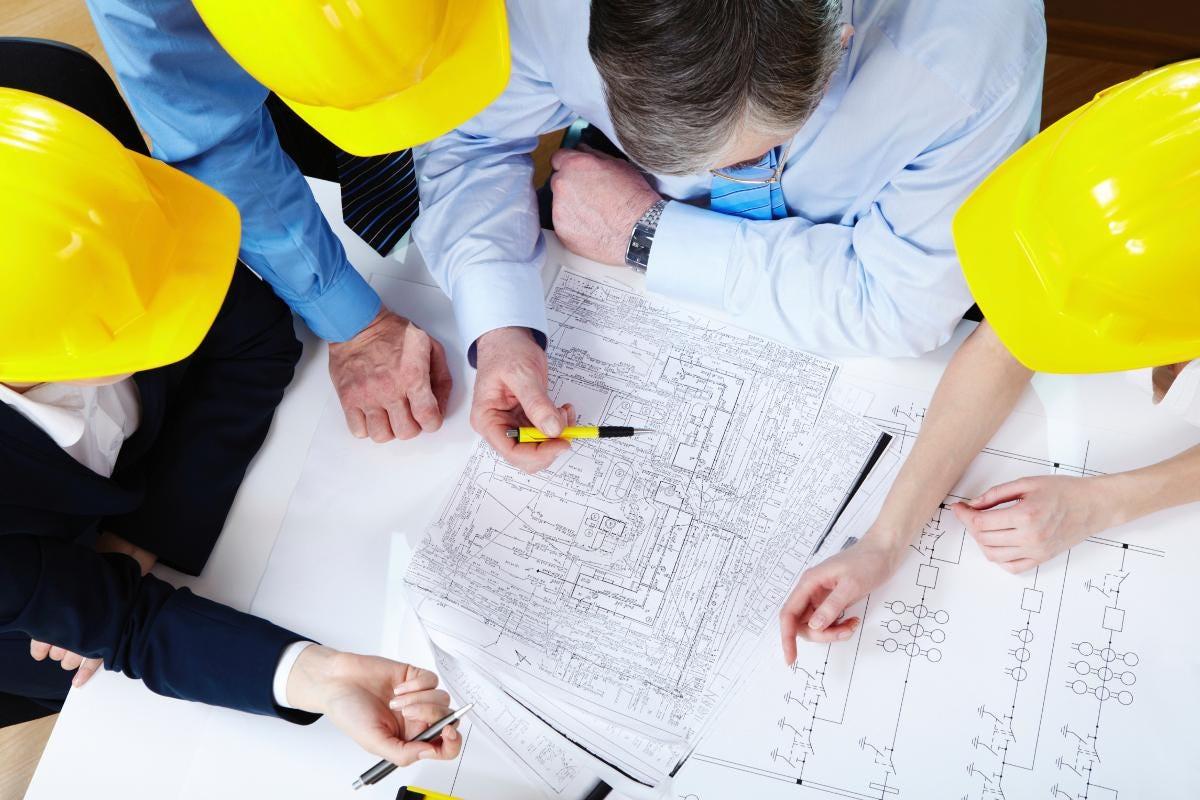
Industrial construction is evolving at an unprecedented pace. From traditional brick-and-mortar factories to high-tech smart industrial facilities, the sector is experiencing a technological revolution that is reshaping the way industrial projects are designed, built, and maintained. In 2026 and beyond, technology and innovation will define the future of industrial construction, driving efficiency, sustainability, and operational excellence.
In this blog, we will explore the technological trends, innovative practices, and emerging solutions shaping industrial construction. We will also highlight how companies like EngiSoft Engineering are leading the charge in delivering modern, future-ready industrial projects.
1. The Rise of Smart Industrial Facilities
The industrial sector is no longer limited to simple factories or warehouses. Smart industrial facilities integrate advanced technologies to optimize operations, reduce costs, and improve safety.
Key Features of Smart Industrial Facilities:
-
IoT Integration: Sensors monitor machinery, energy consumption, and environmental conditions in real-time.
-
Automation Systems: Robotic machinery and automated production lines enhance productivity and accuracy.
-
Data Analytics: Predictive analytics help anticipate maintenance needs and optimize resource allocation.
-
Digital Twin Technology: A digital replica of the facility allows engineers to simulate operations, predict failures, and plan upgrades.
Impact: Smart facilities are more efficient, safer, and adaptable to future technological advancements.
2. Building Information Modeling (BIM)
Building Information Modeling (BIM) is transforming industrial construction by enabling digital collaboration across all project stakeholders.
Benefits of BIM:
-
Enhanced Visualization: Engineers and clients can view a 3D model of the facility before construction begins.
-
Clash Detection: Identifies conflicts between mechanical, electrical, and structural elements, reducing costly rework.
-
Collaboration: Teams can share updates in real-time, improving coordination between architects, engineers, and contractors.
-
Lifecycle Management: BIM allows tracking of the building’s performance post-construction for maintenance and upgrades.
Trend: By 2026, BIM will be standard in industrial construction, integrating AI and cloud-based collaboration tools for faster, smarter decision-making.
3. Prefabrication and Modular Construction
Prefabrication and modular construction are reshaping how industrial facilities are built. Components are manufactured off-site in controlled environments and then assembled on-site.
Advantages:
-
Faster Construction: Prefabricated units reduce on-site construction time by weeks or months.
-
Cost Savings: Factory production minimizes material wastage and labor costs.
-
Quality Control: Manufacturing in controlled environments ensures consistent quality.
-
Sustainability: Less energy consumption and reduced waste on-site.
Industrial sectors such as logistics, automotive, and pharmaceuticals are increasingly adopting modular construction to meet tight deadlines and scalability needs.
4. Robotics and Automation in Construction
Robotics is no longer confined to production floors—it is becoming a major part of construction processes.
Key Applications:
-
Bricklaying and Material Handling Robots: Automate repetitive tasks, improving speed and precision.
-
3D Concrete Printing: Creates complex structures efficiently and accurately.
-
Drones: Survey sites, monitor progress, and inspect hard-to-reach areas safely.
-
Autonomous Vehicles: Transport materials around large industrial sites.
Impact: Automation reduces labor-intensive work, enhances safety, and accelerates project completion.
5. Sustainable and Green Construction
Sustainability is a major driver in the future of industrial construction. Companies are prioritizing eco-friendly practices to reduce environmental impact.
Key Initiatives:
-
Green Materials: Use of recycled steel, low-carbon concrete, and sustainable insulation.
-
Energy Efficiency: Solar panels, smart HVAC systems, and LED lighting.
-
Water Management: Rainwater harvesting and wastewater recycling systems.
-
Certification: Achieving LEED, BREEAM, or similar green certifications for facilities.
Sustainable industrial construction reduces operational costs, attracts environmentally conscious clients, and ensures compliance with global regulations.
6. Artificial Intelligence (AI) and Predictive Analytics
AI is transforming industrial construction planning and operations.
Applications:
-
Project Scheduling: AI predicts project timelines and optimizes resource allocation.
-
Safety Monitoring: AI systems detect unsafe conditions and alert workers in real-time.
-
Predictive Maintenance: Monitors machinery performance to prevent downtime.
-
Cost Optimization: AI analyzes historical data to forecast budgets and prevent overruns.
Trend: By 2026, AI will be a core component of industrial construction, enhancing efficiency, safety, and decision-making.
7. Advanced Materials for Industrial Construction
The next generation of industrial construction relies on innovative materials to improve durability, safety, and sustainability.
Examples:
-
High-Performance Concrete: Faster curing, stronger structures, and lower environmental impact.
-
Smart Coatings: Materials that self-heal, resist corrosion, and reduce energy loss.
-
Lightweight Steel and Composites: Reduce structural load while maintaining strength.
-
Recycled and Modular Components: Improve sustainability and reduce construction time.
Using advanced materials ensures that industrial facilities are resilient, safe, and future-ready.
8. Digital Twin Technology
Digital twin technology involves creating a virtual replica of a facility that mirrors its real-world operations.
Benefits:
-
Real-Time Monitoring: Track energy use, machinery performance, and safety systems.
-
Predictive Planning: Simulate scenarios to optimize layout, maintenance, and production flow.
-
Reduced Downtime: Detect issues before they affect operations.
-
Operational Efficiency: Allows management to make data-driven decisions quickly.
Trend: Digital twins are becoming a standard for industrial facilities aiming for high efficiency and long-term sustainability.
9. Workforce Training and Skill Development
As technology becomes central to industrial construction, workforce skills must evolve.
Training Focus Areas:
-
Operation of robotic and automated machinery
-
BIM and digital project management tools
-
Sustainable construction techniques
-
Safety and risk management using AI and wearable tech
Best Practice: Continuous skill development ensures projects are executed efficiently, safely, and with minimal errors.
10. Safety Innovations
Safety remains a top priority in industrial construction, especially with complex machinery and large-scale operations.
Emerging Solutions:
-
Wearable Tech: Smart helmets, vests, and wristbands monitor vital signs and detect hazards.
-
AI-Powered Risk Analysis: Predicts potential accidents based on historical and real-time data.
-
Remote Monitoring: Drones and sensors enable real-time inspection without exposing workers to risk.
Innovative safety solutions protect workers, reduce liability, and improve project reliability.
11. The Role of IoT in Industrial Facilities
The Internet of Things (IoT) is transforming how industrial facilities operate post-construction.
Applications:
-
Monitor machinery and energy usage for predictive maintenance
-
Track inventory and logistics within warehouses
-
Optimize temperature, lighting, and HVAC systems automatically
-
Improve safety with automated alerts and emergency responses
IoT integration ensures industrial facilities are efficient, responsive, and data-driven.
12. Challenges and Solutions
While technology brings efficiency, industrial construction faces challenges:
-
High Capital Investment: Advanced tech and materials require upfront costs.
-
Cybersecurity Risks: Connected systems and IoT devices need protection against cyber threats.
-
Skill Gaps: Workers must be trained to operate new technologies.
-
Integration Complexity: Combining old and new systems requires careful planning.
Solution: Partnering with expert industrial construction firms ensures these challenges are addressed through planning, training, and technology integration.
13. EngiSoft Engineering: Pioneering Technology in Industrial Construction
For businesses looking for modern, efficient, and technology-driven industrial construction services, EngiSoft Engineering is the trusted partner. Our services include:
-
Design and execution of industrial facilities including factories, warehouses, and smart industrial hubs
-
Integration of BIM, IoT, and digital twin technology for efficient operations
-
Automation and robotics solutions to streamline construction processes
-
Sustainable and energy-efficient building solutions for reduced operational costs
-
Comprehensive project management ensuring safety, quality, and timely delivery
At EngiSoft Engineering, we combine innovative technologies with industry expertise to deliver industrial construction projects that are future-ready, efficient, and sustainable.
Conclusion
The future of industrial construction is being shaped by technology, innovation, and sustainability. From BIM and digital twins to robotics, AI, and green building practices, industrial facilities in 2026 will be safer, more efficient, and environmentally responsible. Companies that embrace these innovations will achieve operational excellence, reduce costs, and maintain a competitive advantage.
Partnering with a forward-thinking industrial construction firm like EngiSoft Engineering ensures your project leverages the latest technologies, follows best practices, and meets the highest standards of safety, efficiency, and sustainability.

 English
 Arabic
 French
 Spanish
 Portuguese
 Deutsch
 Turkish
 Dutch
Dutch
 Italiano
 Russian
 Portuguese (Brazil)
 Greek
Greek