
How Freight Dispatch Keeps Supply Chains Moving
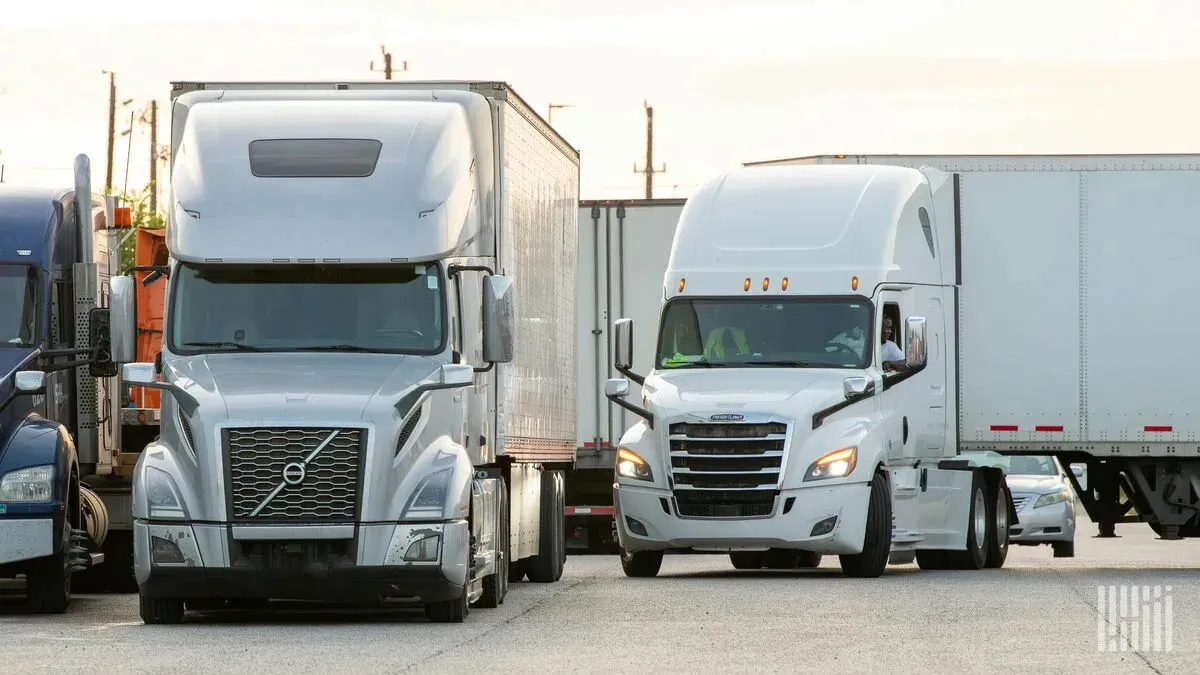
In today’s fast-paced global economy, efficient logistics and transportation systems are essential for keeping businesses running smoothly. Products must move quickly and reliably from manufacturers to warehouses, retailers, and customers. One of the most important components behind this process is freight dispatch. Freight dispatchers coordinate shipments, manage drivers, and ensure that goods are transported efficiently across the supply chain.
Understanding how freight dispatch keeps supply chains moving helps businesses appreciate the critical role dispatchers play in maintaining smooth logistics operations.
What Is Freight Dispatch?
Freight dispatch is the process of coordinating and managing the transportation of goods by trucks or other freight carriers. A freight dispatcher acts as the communication hub between shippers, brokers, carriers, and truck drivers.
Their main goal is to ensure that shipments move efficiently from one location to another while meeting delivery deadlines and maintaining cost efficiency.
Freight dispatchers are responsible for:
-
Finding freight loads for trucks
-
Scheduling pickups and deliveries
-
Communicating with drivers and customers
-
Monitoring shipments in transit
-
Handling logistics documentation
Without proper dispatch coordination, supply chains could experience delays, inefficiencies, and increased transportation costs.
The Role of Freight Dispatch in Supply Chains
Supply chains involve many moving parts, including production, transportation, storage, and distribution. Freight dispatch plays a key role in connecting these components.
Dispatchers help ensure that goods move smoothly through each stage of the supply chain.
Connecting Shippers and Carriers
Freight dispatchers work as intermediaries between companies that need to ship goods and trucking companies that transport those goods. They match available loads with suitable trucks to ensure efficient delivery.
Coordinating Logistics Operations
Dispatchers schedule shipments and coordinate transportation schedules to prevent delays and ensure timely deliveries.
Managing Driver Communication
Drivers rely on dispatchers for instructions, route updates, and problem-solving during transportation.
How Freight Dispatch Works
Freight dispatch follows a structured process to keep shipments organized and efficient.
1. Finding Available Freight Loads
Dispatchers begin by searching for available shipments posted by brokers or shippers. They use digital load boards and industry contacts to locate freight opportunities.
2. Booking and Negotiating Loads
Once a suitable shipment is found, the dispatcher negotiates the rate and confirms the load. After booking, the dispatcher receives shipment details and documentation.
3. Assigning Loads to Drivers
The dispatcher assigns the shipment to a driver or trucking company based on location, truck type, and availability.
4. Monitoring Transportation
While the shipment is in transit, dispatchers track the truck’s progress using GPS technology. They ensure the driver stays on schedule and address any unexpected issues.
5. Confirming Delivery
After the goods reach their destination, dispatchers verify delivery and handle documentation such as proof of delivery and billing paperwork.
Importance of Freight Dispatch in Supply Chain Efficiency
Freight dispatching plays a major role in maintaining the efficiency of supply chains.
Reducing Empty Miles
Empty miles occur when trucks travel without cargo. Dispatchers help reduce these losses by scheduling backhaul loads and ensuring trucks remain productive.
Improving Delivery Speed
Efficient scheduling and route planning allow dispatchers to minimize delays and maintain consistent delivery timelines.
Enhancing Cost Efficiency
Dispatchers negotiate freight rates and optimize routes to reduce fuel costs and improve profitability.
Maintaining Communication
Constant communication between drivers, clients, and logistics teams ensures that problems are resolved quickly and shipments remain on track.
Technology Used in Freight Dispatch
Modern technology has transformed the way freight dispatch operates. Dispatchers now use advanced digital tools to improve efficiency and communication.
Load Boards
Online load boards allow dispatchers to find available shipments quickly and match them with suitable trucks.
GPS Tracking Systems
Real-time GPS tracking enables dispatchers to monitor truck locations and provide updates to customers.
Transportation Management Systems (TMS)
TMS software helps dispatchers organize shipments, manage documents, and analyze logistics data.
Digital Communication Tools
Mobile apps and messaging platforms make communication between dispatchers and drivers faster and more reliable.
Challenges in Freight Dispatch
Although freight dispatch is essential for supply chains, it comes with several challenges.
Traffic and Weather Delays
Unexpected road conditions can disrupt schedules and require quick adjustments from dispatchers.
Driver Availability
Managing driver schedules and ensuring adequate staffing can be difficult during busy periods.
Freight Rate Negotiations
Competitive markets sometimes make it challenging to secure profitable freight rates.
Regulatory Compliance
Dispatchers must ensure that drivers and carriers follow transportation regulations and safety standards.
Despite these challenges, experienced dispatchers play a crucial role in overcoming obstacles and maintaining smooth operations.
Benefits of Professional Freight Dispatch Services
Many trucking companies rely on professional dispatch services to handle logistics coordination.
Key benefits include:
-
Improved operational efficiency
-
Increased driver productivity
-
Better communication with clients
-
Higher revenue through optimized load scheduling
-
Reduced administrative workload for drivers
Professional dispatchers help trucking businesses focus on transportation while they manage the logistics side of operations.
The Future of Freight Dispatch
The logistics industry continues to evolve as new technologies and automation tools emerge.
Future trends in freight dispatch may include:
-
AI-powered load matching systems
-
Automated route optimization
-
Blockchain for shipment tracking
-
Advanced data analytics for logistics planning
These innovations will make freight dispatch even more efficient and reliable in the future.
Conclusion
Freight dispatch plays a critical role in keeping supply chains moving efficiently. By coordinating shipments, communicating with drivers, and managing logistics operations, dispatchers ensure that goods reach their destinations safely and on time.
From finding loads and scheduling deliveries to monitoring shipments and handling documentation, freight dispatchers serve as the backbone of modern transportation systems. Their work helps reduce delays, improve efficiency, and maintain the steady flow of goods that businesses and consumers rely on every day.
As supply chains continue to expand globally, the importance of freight dispatch in logistics management will only continue to grow, making it a vital component of the transportation industry.

 English
 Arabic
 French
 Spanish
 Portuguese
 Deutsch
 Turkish
 Dutch
Dutch
 Italiano
 Russian
 Romaian
 Portuguese (Brazil)