
How Truck Dispatching Works: A Beginner's Guide
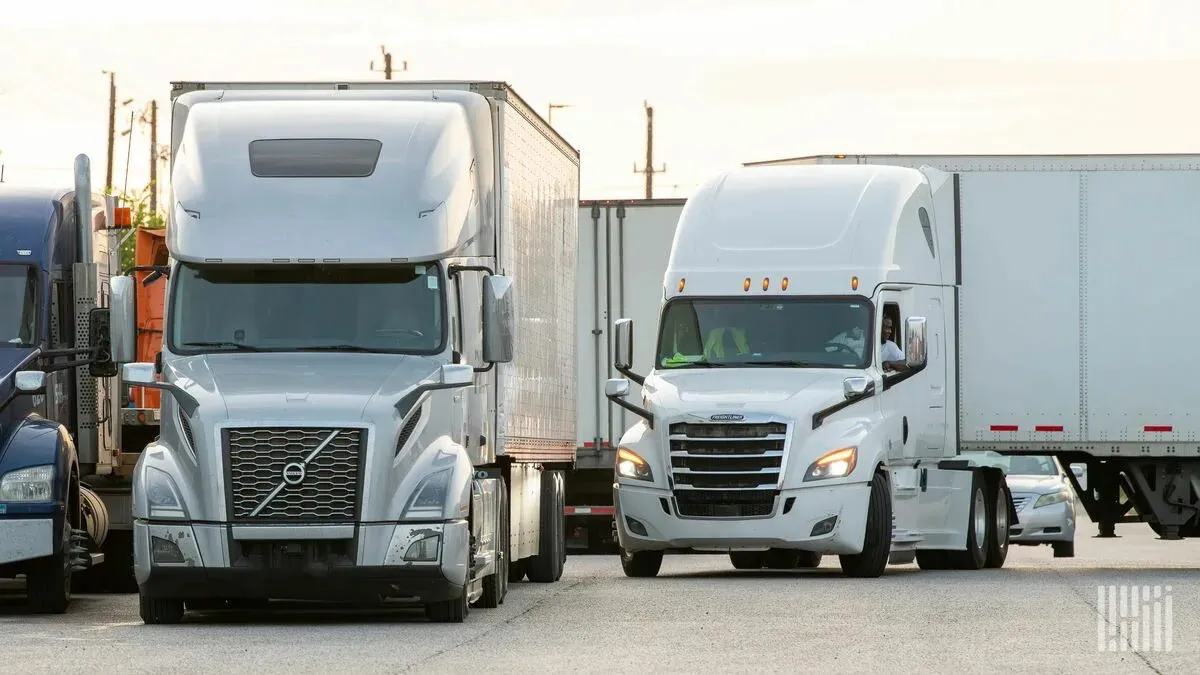
The trucking industry plays a crucial role in keeping the supply chain running smoothly. Every day, thousands of shipments are transported across cities, states, and countries to deliver goods efficiently. Behind this process is an essential role known as truck dispatching. Dispatchers coordinate loads, communicate with drivers, and ensure deliveries happen on time. Understanding how truck dispatching works is important for anyone interested in the logistics or trucking business.
This beginner’s guide explains the basics of truck dispatching, the responsibilities of a dispatcher, and how the process helps trucking companies operate efficiently.
What Is Truck Dispatching?
Truck dispatching is the process of managing and coordinating freight shipments between shippers, brokers, and truck drivers. A dispatcher acts as the central point of communication who organizes loads, schedules routes, and ensures drivers meet delivery deadlines.
The main goal of dispatching is to maximize efficiency while ensuring trucks stay on the road with profitable loads.
Dispatchers help trucking companies by:
-
Finding freight loads for drivers
-
Negotiating rates with brokers or shippers
-
Planning routes and schedules
-
Monitoring shipments in transit
-
Handling documentation and communication
Without proper dispatching, trucking operations would struggle to stay organized and profitable.
The Role of a Truck Dispatcher
A truck dispatcher is responsible for coordinating logistics and supporting drivers throughout the delivery process. Dispatchers ensure that trucks operate efficiently and avoid unnecessary delays.
Key responsibilities include:
Finding Freight Loads
One of the main tasks of a dispatcher is to locate available loads for truck drivers. They often use load boards or connect directly with freight brokers and shippers to secure shipments.
Negotiating Freight Rates
Dispatchers negotiate pricing with brokers or clients to ensure drivers receive profitable loads. Strong negotiation skills help maximize revenue for trucking companies.
Planning Routes
Dispatchers help drivers plan the most efficient routes to save time and reduce fuel costs. They also consider traffic conditions, weather, and delivery deadlines.
Communicating with Drivers
Throughout the delivery process, dispatchers maintain constant communication with drivers to provide updates, solve issues, and ensure deliveries remain on schedule.
Managing Paperwork
Dispatchers often handle documentation such as:
-
Rate confirmations
-
Bills of lading
-
Delivery receipts
-
Compliance paperwork
Proper documentation is important for legal compliance and payment processing.
Step-by-Step Process of Truck Dispatching
Truck dispatching involves several steps that help keep freight moving efficiently.
1. Searching for Available Loads
Dispatchers begin by checking load boards, contacting brokers, or reviewing shipping requests from clients. They look for loads that match the driver’s truck type, location, and schedule.
2. Booking the Load
Once a suitable shipment is found, the dispatcher negotiates the rate with the broker or shipper and confirms the booking. After agreement, the dispatcher receives a rate confirmation document outlining shipment details.
3. Sending Load Information to the Driver
The dispatcher provides the driver with important details such as:
-
Pickup location
-
Delivery destination
-
Cargo type
-
Pickup and delivery times
-
Special instructions
This ensures the driver clearly understands the job requirements.
4. Monitoring the Shipment
While the driver is on the road, the dispatcher monitors the shipment to ensure everything stays on schedule. They also handle any issues that arise, such as delays or route changes.
5. Confirming Delivery
Once the shipment reaches its destination, the driver submits proof of delivery. The dispatcher ensures all documents are properly completed for billing and payment.
Tools Used in Truck Dispatching
Modern truck dispatching relies on technology to improve efficiency and communication.
Common tools include:
Load Boards
Load boards are online platforms where shippers and brokers post available freight loads. Dispatchers use these platforms to find shipments for drivers.
GPS Tracking Systems
GPS technology allows dispatchers to track trucks in real time and provide updates to customers or brokers.
Transportation Management Software
This software helps dispatchers organize shipments, manage documents, and track operational data.
Communication Tools
Dispatchers communicate with drivers using mobile apps, phone calls, and messaging platforms to ensure smooth coordination.
Benefits of Professional Truck Dispatching
Effective truck dispatching provides numerous benefits for trucking companies and drivers.
Increased Efficiency
Dispatchers help reduce empty miles by ensuring trucks always have loads scheduled.
Higher Profitability
Negotiating better freight rates and planning efficient routes helps maximize revenue.
Better Time Management
Drivers can focus on driving while dispatchers handle logistics and paperwork.
Improved Customer Satisfaction
Reliable communication and timely deliveries build trust with customers and brokers.
Skills Required to Become a Truck Dispatcher
Successful dispatchers possess a combination of communication, organizational, and problem-solving skills.
Important skills include:
-
Strong communication skills
-
Negotiation abilities
-
Time management
-
Knowledge of trucking regulations
-
Attention to detail
Understanding logistics operations and freight markets also helps dispatchers perform their duties effectively.
Challenges in Truck Dispatching
Although truck dispatching is essential for the trucking industry, it also comes with challenges.
Common challenges include:
-
Managing tight delivery schedules
-
Handling unexpected delays or breakdowns
-
Negotiating competitive freight rates
-
Coordinating multiple drivers and shipments
Experienced dispatchers learn to handle these challenges through careful planning and effective communication.
How Technology Is Changing Truck Dispatching
Technology continues to transform the trucking industry. Advanced dispatch systems now use automation and artificial intelligence to improve logistics operations.
Some modern innovations include:
-
Automated load matching systems
-
Real-time route optimization
-
Digital documentation and invoicing
-
Advanced fleet tracking systems
These technologies help dispatchers manage operations more efficiently and reduce manual tasks.
Conclusion
Truck dispatching is a vital part of the logistics and transportation industry. Dispatchers act as the link between drivers, brokers, and shippers, ensuring shipments are delivered safely and on time.
By finding freight loads, negotiating rates, planning routes, and managing communication, dispatchers help trucking companies operate efficiently and profitably. Understanding how truck dispatching works provides valuable insight into the complex system that keeps goods moving across the country.
For beginners interested in the trucking industry, learning dispatching can open opportunities in logistics management and freight coordination. With the right skills and tools, truck dispatching can be a rewarding and essential career in the growing transportation sector.

 English
 Arabic
 Spanish
 Portuguese
 Deutsch
 Turkish
 Dutch
Dutch
 Italiano
 Russian
 Romaian
 Portuguese (Brazil)
 Greek
Greek