
Is Your Camp Fuel Putting Your Trip at Risk?
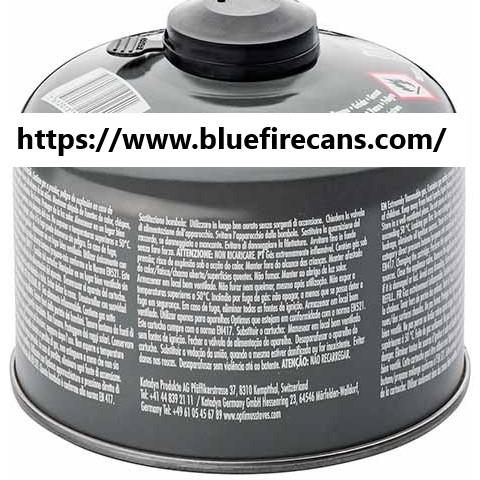
There's a reason seasoned outdoor enthusiasts walk past discount fuel displays without a second glance. They've learned lessons that newer campers haven't yet encountered. They understand that saving a few dollars on fuel often costs far more in ruined mornings, cold meals, and potentially unsafe situations. Their camping bins contain specific brands they trust, purchased deliberately rather than grabbed randomly from whatever shelf offered the lowest price. This loyalty isn't about brand worship or unnecessary spending. It comes from experience with what happens when fuel quality doesn't match promises on packaging. When you've stood in predawn cold waiting for water that refuses to boil because your canister won't maintain pressure, you remember. When you've smelled gas leaking from connections that should seal properly, you take note. When you've watched fuel run out halfway through its rated capacity, you start questioning the economics of bargain shopping. A reliable Butane Gas Cartridge becomes less about camping luxury and more about basic trip functionality.
The Morning Coffee Test
Ask any regular camper what separates good trips from frustrating ones, and morning coffee often tops the list. Not because coffee itself matters so much, but because that first morning task reveals whether your equipment will cooperate or create problems. You're cold, maybe tired from sleeping on the ground, and you just want something hot before starting your day.
Quality fuel ignites immediately. The stove roars to life, heat builds quickly, and water boils in predictable time. You pour your coffee, pack up the stove, and move on with your morning. Simple, efficient, reliable.
Inferior fuel turns this simple task into an ordeal. Maybe the canister won't connect properly to your stove. Maybe it ignites but produces weak flames that barely heat the pot. Maybe it works initially but loses pressure quickly, leaving you with lukewarm water after ten minutes of waiting. Maybe it leaks around the valve connection, wasting fuel and creating safety concerns.
These aren't rare malfunctions. They're common experiences with budget canisters that prioritize low pricing over actual performance. The manufacturers know their products underperform. They just bet that most buyers won't connect failures back to fuel quality, instead blaming their stoves, the weather, or their own technique.
What Actually Goes Wrong
Fuel canister failures follow patterns. Understanding these patterns helps explain why quality matters so much and why experienced campers develop strong preferences.
Pressure inconsistency ranks among the most common problems. A Butane Gas Cartridge maintains internal pressure that pushes fuel through valves into your stove. This pressure varies naturally with temperature, which quality products account for through proper fuel mixture ratios and canister design. Cheap alternatives use whatever mixture costs least, resulting in dramatic pressure drops when temperatures fall or inadequate pressure at high altitudes where atmospheric pressure is lower.
Valve construction issues create another frequent failure point. The valve is where canister meets stove, where pressurized fuel becomes controlled flow. Quality valves incorporate precision threading, durable seals, and materials that maintain flexibility across temperature ranges. Budget valves cut corners on all these factors. The threading might be sloppy, creating loose connections. The seals might be rigid materials that crack when cold or deteriorate quickly. The overall construction might lack the durability to handle repeated use.
Metal quality affects both safety and performance. Quality canisters use appropriate steel or aluminum alloys chosen specifically for their pressure resistance and durability. The metal thickness is sufficient to contain internal pressure safely while withstanding the bumps and drops that happen during outdoor activities. Cheap canisters use thinner metals or inferior alloys that may meet minimum standards but lack margins for real world use.
The Hidden Cost Calculation
Price comparison seems straightforward until you factor in actual usage. A budget canister might cost half what a quality product costs, but if it provides 30% less usable fuel due to pressure problems and inefficient combustion, the math changes. If one in five cheap canisters fails completely, requiring you to carry backup fuel that adds pack weight, the economics shift further.
Then consider the trip impact costs that don't show up on receipts. You've invested in transportation, possibly taken time off work, coordinated schedules with camping partners. The trip itself represents significant investment beyond just gear costs. When fuel failure disrupts meals, creates safety concerns, or simply adds frustration to what should be relaxing time outdoors, that affects the value of your entire investment.
Quality fuel from reliable manufacturers costs more per canister. It also works every time, performs consistently across conditions, and eliminates a potential failure point from your outdoor systems. For regular campers, this reliability easily justifies the higher upfront cost.
Temperature Reality Check
Fuel behavior changes dramatically across temperature ranges. This matters because camping often happens in conditions colder than room temperature where most people visualize product performance. Spring and fall camping can bring temperatures near freezing. Mountain camping can be cold even during summer months. Winter camping obviously presents extreme cold challenges.
A quality Butane Gas Cartridge contains fuel mixtures engineered to vaporize and ignite across wide temperature ranges. The specific ratios between different gases are carefully calculated and tested. This allows the fuel to work reliably whether you're camping in warm valley floors or cold mountain ridges.
Budget manufacturers typically use simpler, cheaper fuel mixtures that perform adequately in moderate temperatures but fail when conditions get cold. The fuel remains liquid instead of vaporizing properly. Your stove might not ignite at all, or it might burn weakly even with the valve fully open. You're left with a canister full of useless liquid fuel that won't contribute to cooking your meals.
Experienced campers know which brands work in cold conditions because they've tested them through actual use. They've learned that temperature performance isn't marketing language; it's practical reality that determines whether you eat hot food or go hungry.
Why We Do What We Do
At https://www.bluefirecans.com/ , we manufacture camping fuel because we understand what outdoor enthusiasts actually need. We've listened to campers describe their frustrations with unreliable products. We've heard stories about trips compromised by fuel failures. We've seen the consequences of prioritizing manufacturing cost over product quality. Our response is straightforward: build fuel canisters that work reliably across real camping conditions, test thoroughly to verify performance claims, and stand behind products with accountability rather than excuses. When you choose our fuel, you're choosing a company that views camping products as safety equipment requiring serious engineering rather than commodity items manufactured to price points. Your adventures deserve better than crossed fingers and backup plans for when fuel fails.

 English
 Arabic
 French
 Spanish
 Portuguese
 Deutsch
 Turkish
 Dutch
Dutch
 Russian
 Romaian
 Portuguese (Brazil)
 Greek
Greek