
How BIM Models Reduce Errors and Rework on Construction Sites
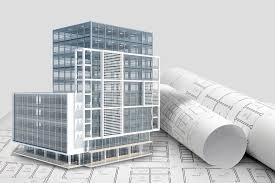
Construction projects in the UAE have reached unprecedented levels of complexity, from iconic skyscrapers in Dubai to expansive commercial and mixed-use developments in Abu Dhabi. Managing these projects efficiently requires advanced technologies that can minimize errors, streamline workflows, and ensure high-quality delivery. One of the most effective tools for achieving this is a BIM model. Companies like AEC7D are leveraging BIM models to reduce errors and rework, ensuring smoother project execution and better outcomes for clients.
Understanding BIM Models
A Building Information Model (BIM model) is a digital representation of a building’s physical and functional characteristics. It integrates architectural, structural, and MEP (Mechanical, Electrical, Plumbing) designs into a single, coordinated platform. Unlike traditional 2D drawings, BIM models provide detailed 3D visualizations, accurate measurements, and data-rich information that engineers, architects, and contractors can use throughout the project lifecycle.
In the UAE, where projects are often large-scale and technically complex, BIM models are invaluable. They help identify potential issues before construction begins, ensuring that all teams work with accurate and coordinated information. This reduces the likelihood of errors on-site and minimizes the need for costly rework.
Early Detection of Design Conflicts
One of the primary ways BIM models reduce errors is through early detection of design conflicts. In traditional construction workflows, clashes between structural elements, MEP systems, or architectural features are often discovered only during construction. Identifying these issues on-site can lead to delays, increased costs, and project frustration.
BIM models enable engineers and designers to identify clashes during the design phase. For example, a duct may interfere with a structural beam or a plumbing line might conflict with electrical conduits. Using clash detection tools within the BIM model, these conflicts can be resolved digitally before construction begins. This proactive approach significantly reduces the risk of on-site errors and rework. AEC7D implements advanced clash detection processes in all its UAE projects to ensure seamless coordination between disciplines.
Improved Collaboration Among Engineering Teams
BIM models provide a centralized platform where multiple teams can collaborate in real time. Structural engineers, architects, and MEP professionals can all access the same model, ensuring that any changes made by one team are visible to others immediately.
This real-time collaboration prevents miscommunication and duplication of work, two common sources of errors in construction projects. In high-rise buildings or complex commercial developments in the UAE, where teams may be working in different locations or even countries, having a unified BIM model ensures that everyone is on the same page. AEC7D leverages BIM models to facilitate seamless coordination among its engineering teams, reducing mistakes and improving project efficiency.
Accurate Visualization and Simulation
BIM models offer advanced visualization capabilities, allowing stakeholders to see the building in three dimensions before construction begins. This level of detail helps teams understand complex layouts, spatial relationships, and system interactions.
Additionally, BIM models can simulate real-world conditions, such as load distribution, airflow, or energy performance. These simulations help engineers identify potential problems in design, structural integrity, or system performance early in the project lifecycle. In the UAE, where high-rise and luxury projects demand precision and quality, such simulations are crucial to preventing costly errors and rework. AEC7D uses BIM simulation tools to ensure accurate and reliable project outcomes.
Streamlined Communication and Documentation
Construction errors often occur due to poor communication or outdated documentation. BIM models address this by centralizing all project data, including drawings, schedules, and specifications, in a single platform.
Teams can access up-to-date information at any time, ensuring that everyone works with the latest version of the project. This reduces misunderstandings and prevents mistakes caused by outdated or conflicting information. In large-scale UAE projects, where multiple contractors and subcontractors are involved, BIM models improve communication efficiency, reducing errors and keeping the project on schedule.
Efficient Quantity Take-Offs and Material Management
Accurate quantity take-offs are essential for avoiding material shortages or excesses, both of which can lead to rework. BIM models provide precise material calculations by integrating data from architectural, structural, and MEP designs.
By knowing exactly how much material is required and where it is needed, project managers can prevent over-ordering or under-ordering, reducing waste and minimizing errors during installation. AEC7D uses BIM models to optimize material usage in UAE projects, ensuring cost efficiency and high-quality construction.
Facilitating Prefabrication and Modular Construction
Prefabrication and modular construction are increasingly common in UAE projects, especially high-rise buildings and large commercial complexes. BIM models play a key role in this process by providing detailed and accurate specifications for prefabricated components.
Engineers can design beams, slabs, and other elements in the BIM model, which can then be fabricated off-site with high precision. This reduces errors during assembly and minimizes the need for modifications on-site. AEC7D integrates BIM modeling with prefabrication workflows, enabling faster construction with fewer mistakes.
Supporting Quality Control and Compliance
BIM models help enforce quality standards and regulatory compliance by providing a detailed digital record of the design and construction process. Engineers and inspectors can use the model to verify that all elements meet project specifications and local building codes in the UAE.
This level of oversight reduces the risk of errors and ensures that any issues are addressed before construction progresses. AEC7D relies on BIM models to maintain high-quality standards across all projects, ensuring compliance and minimizing rework.
Reducing Rework Through Accurate Planning
Rework is a major source of delays and cost overruns in construction. BIM models minimize rework by allowing detailed planning before any physical construction begins. Teams can sequence construction activities, identify potential conflicts, and plan installations accurately within the model.
For complex UAE projects, where high-rise construction and integrated MEP systems demand precision, accurate planning through BIM models ensures that construction progresses smoothly. AEC7D has demonstrated that integrating BIM models into planning workflows significantly reduces rework, saving time and money.
Lifecycle Management and Future Maintenance
BIM models are not only useful during construction but also serve as a digital twin for the building throughout its lifecycle. Facility managers can use the BIM model to access detailed information about structural elements, MEP systems, and architectural features.
This ensures that maintenance, renovations, and future upgrades can be carried out efficiently, without causing unnecessary disruption or errors. In the UAE, where building longevity and performance are critical, BIM models provide valuable insights for long-term facility management. AEC7D ensures that all its BIM models are structured to support ongoing maintenance and operational efficiency.
Conclusion
BIM models have revolutionized construction in the UAE by reducing errors, minimizing rework, and enhancing project efficiency. Through early clash detection, real-time collaboration, accurate visualization, streamlined communication, and precise material management, BIM models help engineering teams deliver high-quality projects on time and within budget.
Companies like AEC7D are at the forefront of using BIM models to manage complex projects in the UAE, ensuring seamless coordination between structural, architectural, and MEP teams. As construction projects continue to grow in scale and complexity, BIM models will remain an essential tool for achieving efficiency, accuracy, and overall project success.

 English
 Arabic
 French
 Spanish
 Portuguese
 Deutsch
 Dutch
Dutch
 Italiano
 Russian
 Romaian
 Portuguese (Brazil)
 Greek
Greek