
Advanced Brake Performance Monitoring: Enhancing Safety and Efficiency Through Real-Time Diagnostics
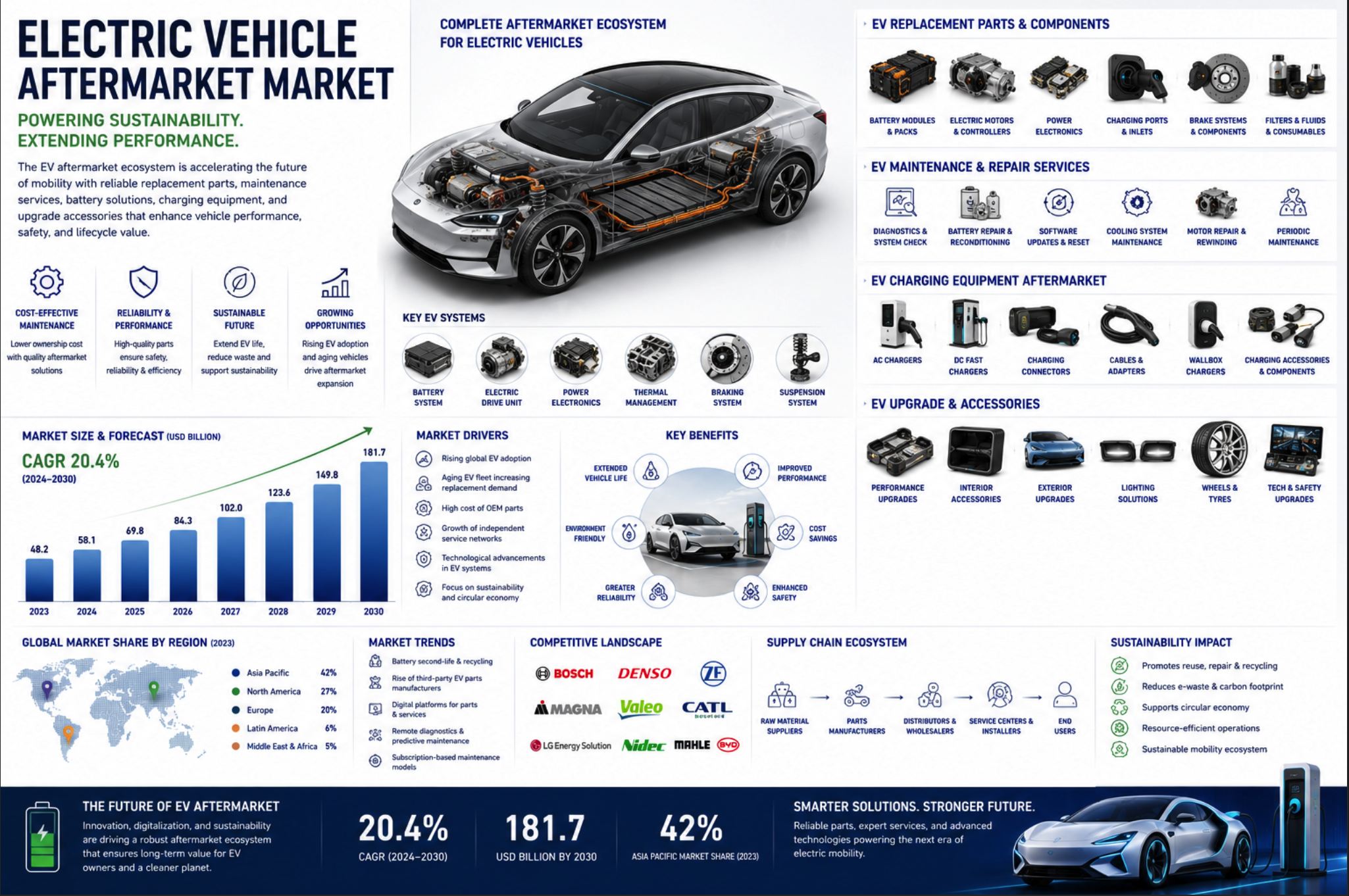
Exploring advanced brake performance monitoring technologies, their role in enhancing vehicle safety, and their integration with predictive maintenance and autonomous driving systems.
Advanced Brake Performance Monitoring has emerged as a critical technology in modern automotive safety systems, providing real-time diagnostics and predictive analytics that enhance both safety and operational efficiency. These monitoring systems utilize sophisticated sensors and algorithms to continuously assess brake system performance, wear levels, and health, enabling early detection of potential issues and optimized maintenance scheduling. The global market for these monitoring systems is experiencing robust growth, valued at $2.58 billion in 2024 and projected to reach $5.54 billion by 2035. The aftermarket segment is emerging rapidly, driven by the growing vehicle population and rising awareness among consumers regarding vehicle safety, with the availability of alternative brands and products providing consumers with more choices and fostering competition and innovation.
Advanced brake performance monitoring offers significant benefits over traditional diagnostic methods, providing continuous, real-time data that enables proactive maintenance and enhanced safety. By monitoring parameters such as brake pad thickness, rotor temperature, hydraulic pressure, and brake fluid level, these systems can predict when maintenance is required, reducing the risk of brake failure and unexpected downtime. The integration of wireless sensor technology and improved data analytics capabilities is enabling more sophisticated monitoring and diagnostics, allowing for remote monitoring and predictive maintenance. The growing demand for Advanced Brake Performance Monitoring is a direct response to the increasing complexity of braking systems, the rise of electric and hybrid vehicles, and the growing emphasis on connected and autonomous driving.
The adoption of advanced performance monitoring is being driven by several factors, including the increasing vehicle population, the need for more efficient and cost-effective maintenance practices, and the growing focus on vehicle safety and reliability. As vehicles become more complex and sophisticated, the need for advanced diagnostics and monitoring systems is becoming essential. The rise of connected vehicle technologies, which enable vehicles to communicate with each other and with infrastructure, is also creating opportunities for more advanced monitoring and predictive maintenance solutions. The automotive aftermarket is expanding, driving demand for brake sensor replacements and presenting significant opportunities for growth in this segment.
The market for advanced brake performance monitoring is characterized by technological innovation and the integration of smart technologies. Companies are exploring eco-friendly materials and production processes to reduce their environmental footprint, a trend that aligns with global sustainability goals and appeals to environmentally conscious consumers. The integration of AI-driven predictive maintenance solutions and wireless brake sensor technologies represents a significant growth opportunity. In September, Continental entered into a partnership with a leading electric vehicle manufacturer to develop integrated brake sensor systems tailored for electric vehicles, while Denso unveiled a new line of brake sensors designed specifically for hybrid vehicles. As the industry continues to innovate and expand, the importance of brake sensor market will drive further advancement in advanced brake performance monitoring, ensuring that vehicles are equipped with the safety, efficiency, and reliability solutions needed for modern driving conditions.

 English
 Arabic
 French
 Spanish
 Portuguese
 Deutsch
 Turkish
 Dutch
Dutch
 Italiano
 Russian
 Portuguese (Brazil)
 Greek
Greek