
Advanced Optical Engineering for Multifunctional Vision Solutions
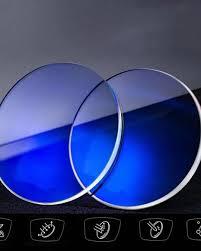
The continuous advancement of optical technology has significantly improved the quality and functionality of modern vision products, and Bifocal Eye Glasses represent an important category that combines multiple viewing capabilities within a single optical solution. Their effectiveness depends on the integration of advanced materials, precise engineering principles, and highly controlled manufacturing processes. As visual requirements become increasingly diverse, manufacturers focus on developing products that provide reliable performance, visual comfort, and long-term durability while maintaining strict optical standards.
Material science forms the foundation of successful optical product development. Manufacturers carefully select materials based on their transparency, strength, stability, and compatibility with precision production techniques. Advanced polymer materials are widely utilized because they offer lightweight construction, impact resistance, and excellent processing flexibility. Optical glass materials continue to be valued for their superior clarity and durable surface characteristics. Engineers evaluate these material options to ensure that the final product achieves the desired balance between comfort, optical accuracy, and structural reliability.
The design requirements of Bifocal Eye Glasses involve a detailed understanding of how light interacts with different optical zones. Engineers must carefully manage the transition between viewing areas while preserving image quality and visual comfort. Modern computational modeling technologies allow designers to analyze optical performance before production begins, enabling more efficient optimization of lens structures. These digital tools help reduce distortion, improve clarity, and support greater consistency throughout the manufacturing process.
Precision manufacturing plays a critical role in transforming design concepts into functional optical products. Production processes include material preparation, shaping, grinding, polishing, and finishing operations, each requiring careful control to maintain optical quality. Automated production systems help ensure consistency across large manufacturing volumes, while advanced monitoring technologies track key performance indicators throughout every stage of production. Environmental conditions such as temperature stability and cleanliness are carefully regulated to minimize variations that could affect final product quality.
Surface treatment technologies further enhance optical functionality. Modern coating systems are designed to improve light transmission, reduce reflections, and increase resistance to everyday wear. These coatings must be applied with exceptional precision to ensure uniform performance across the entire lens surface. Continuous innovation in coating technology has enabled manufacturers to improve durability while maintaining excellent optical clarity. As a result, modern eyewear products provide enhanced visual experiences across a wide range of lighting environments.
Research and development activities continue to drive innovation throughout the optical industry. Scientists and engineers explore new material combinations that offer improved transparency, greater durability, and enhanced production efficiency. Hybrid structures that combine the advantages of multiple material types have become increasingly important in modern product development. These innovations support the creation of advanced optical solutions capable of meeting evolving market demands while maintaining high standards of quality and reliability.
Quality control remains a fundamental element of successful manufacturing operations. Optical products undergo extensive testing to verify performance, structural consistency, and surface quality. Automated inspection systems provide precise measurement data that helps manufacturers maintain strict production standards. Continuous process monitoring supports product consistency while reducing the likelihood of defects. This commitment to quality assurance contributes directly to reliable performance and customer satisfaction.
As the optical industry continues to evolve, the combination of scientific research, engineering expertise, and advanced manufacturing technology will remain essential to future progress. Thinkey Optical Co.,Ltd actively supports these developments through ongoing investment in material innovation, precision production, and optical engineering excellence. Industry professionals seeking additional information about modern eyewear solutions and manufacturing capabilities can explore https://www.thinkeyoptical.com while learning more about advancements shaping the future of optical technology.

 English
 Arabic
 French
 Spanish
 Portuguese
 Deutsch
 Turkish
 Dutch
 Italiano
 Russian
 Portuguese (Brazil)
 Greek