
Top Features to Look for in a TherapyNotes alternative
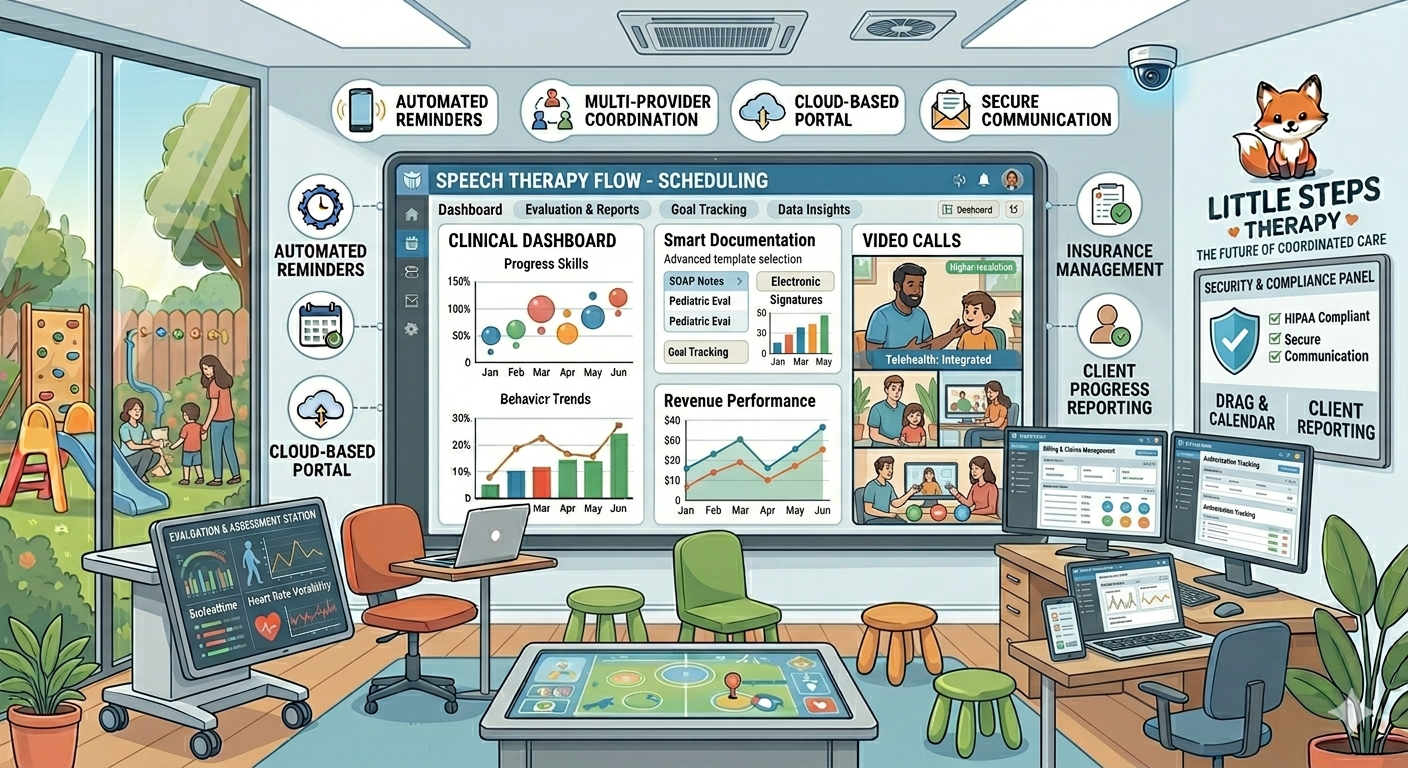
Choosing the right practice management platform can directly impact how efficiently a therapy practice operates. Many clinics start searching for a TherapyNotes alternative when they need more flexibility, stronger scheduling tools, easier documentation, or better support for growing teams. The right software should simplify administrative work while helping therapists deliver better client care.
Whether you manage a speech therapy clinic, ABA practice, occupational therapy center, mental health practice, or multidisciplinary organization, selecting software is more than comparing prices. It is about finding a platform that improves workflows, protects client information, and supports long term growth.
This guide explains the most important features to evaluate before switching to a new therapy management system.
Easy Scheduling and Calendar Management
Scheduling is one of the most important parts of any therapy practice. A modern platform should make appointment management simple for both staff and clinicians.
Look for software that includes:
• Drag and drop calendar tools
• Automated appointment reminders
• Recurring session scheduling
• Therapist availability tracking
• Multi location scheduling support
• Waitlist management
When scheduling is organized properly, practices reduce missed appointments and administrative confusion. Automated reminders through text or email can also improve attendance rates and save front desk staff valuable time.
For growing clinics, shared calendars help teams coordinate more effectively without relying on spreadsheets or manual updates.
User Friendly Documentation Tools
Documentation takes a significant amount of time during the therapy process. A good software solution should help therapists complete notes quickly while maintaining accuracy and compliance.
Useful documentation features include:
• Customizable note templates
• SOAP notes and evaluation forms
• Goal tracking tools
• Electronic signatures
• Progress reporting
• Auto saved records
Therapists should not feel overwhelmed by paperwork after every session. Efficient documentation tools allow clinicians to spend more time focusing on clients instead of repetitive administrative tasks.
Custom templates are especially valuable because different therapy specialties often require different workflows. Pediatric therapists, speech therapists, ABA providers, and mental health professionals may all document care differently.
HIPAA Compliant Security
Client information must always remain secure. Data protection is one of the most critical features to consider when comparing therapy software solutions.
The platform should provide:
• HIPAA compliant data storage
• Secure client portals
• Role based staff permissions
• Encrypted communication
• Automatic backups
• Secure telehealth sessions
A reliable software provider should also clearly explain how they handle privacy and compliance. Practices should never compromise on security when handling medical records, treatment plans, or billing information.
Secure systems help build trust with families and clients while reducing compliance risks for the organization.
Billing and Insurance Management
Billing errors can create delays, lost revenue, and frustration for both staff and clients. Integrated billing features simplify financial workflows and improve reimbursement processes.
Important billing capabilities include:
• Insurance claim submission
• Invoice generation
• Payment tracking
• Eligibility verification
• Superbills
• Financial reporting
A platform with built in billing support can reduce manual work and help practices maintain healthier cash flow. Many therapy clinics also benefit from automated payment reminders and online payment options.
For practices working with insurance providers, streamlined claim management saves hours of administrative effort every week.
Telehealth Integration
Virtual therapy sessions have become an important part of modern care delivery. Even clinics that primarily operate in person often need flexible telehealth options for follow up appointments or remote sessions.
A strong therapy software platform should include:
• Secure video conferencing
• Simple session access for clients
• Mobile friendly telehealth tools
• Integrated documentation during sessions
• Reliable connection quality
Therapists should not need separate systems for scheduling, telehealth, and documentation. Integrated tools create a smoother experience for both clinicians and families.
Telehealth functionality is especially valuable for pediatric therapy practices that serve families in rural or underserved areas.
Parent and Client Communication Tools
Communication plays a major role in therapy outcomes. Families want updates, reminders, and easy access to information about treatment progress.
Look for systems that offer:
• Secure messaging
• Client portals
• Appointment notifications
• Document sharing
• Progress updates
Good communication tools improve engagement and reduce confusion. Parents appreciate having access to schedules, reports, and invoices in one secure location.
This can also reduce the number of phone calls and emails staff must manage daily.
Customization for Different Therapy Specialties
Not every therapy practice operates the same way. Software should adapt to the clinic rather than forcing clinicians into rigid workflows.
A flexible platform may support:
• Speech therapy workflows
• Occupational therapy documentation
• ABA data collection
• Mental health treatment plans
• Pediatric developmental tracking
Customization is especially important for multidisciplinary clinics with different providers working together. The ability to personalize templates, workflows, and reporting tools can improve efficiency across the entire organization.
Some practices searching for a CentralReach alternative often prioritize flexibility because they need software that better fits their operational style or specialty requirements.
Reporting and Analytics
Data driven decisions help therapy practices grow more effectively. Reporting features provide valuable insight into both clinical and operational performance.
Useful reports may include:
• Attendance tracking
• Revenue analysis
• Therapist productivity
• Authorization tracking
• Client progress reports
Strong reporting tools help practice owners identify trends, improve scheduling efficiency, and monitor financial performance.
Analytics can also support compliance requirements and help practices prepare documentation for audits or insurance reviews.
Mobile Accessibility
Therapists often work across multiple treatment rooms, schools, clinics, or home settings. Mobile access allows providers to manage tasks more efficiently throughout the day.
Mobile friendly software can help clinicians:
• Complete notes on the go
• Access schedules remotely
• Review client information quickly
• Communicate with staff securely
A responsive mobile platform improves convenience without sacrificing security. Therapists should be able to work efficiently whether they are in the clinic or traveling between appointments.
Scalability for Growing Practices
Many therapy practices start small but expand over time. Software should support future growth without requiring a complete system change later.
Scalable systems can support:
• Additional clinicians
• Multiple clinic locations
• Larger client databases
• Expanded scheduling needs
• Advanced reporting features
Choosing scalable software early can reduce future disruptions and training costs. A growing practice needs technology that continues supporting operations as patient volume increases.
Customer Support and Training
Even the best software can become frustrating without reliable customer support. Training and onboarding are essential when transitioning from one system to another.
Before selecting a platform, evaluate:
• Response times for support requests
• Live chat or phone assistance
• Training resources
• Video tutorials
• Dedicated onboarding help
Good support can make implementation significantly easier for therapists and administrative teams.
Practices should also look for providers that regularly update their software based on customer feedback and industry changes.
Ease of Data Migration
Switching systems can feel overwhelming, especially for clinics with years of client records and billing history. A quality software provider should offer migration assistance to make the transition smoother.
Data migration services may include:
• Importing client records
• Moving appointment histories
• Transferring billing information
• Staff onboarding assistance
Practices should ask detailed questions about migration timelines and technical support before making a final decision.
Final Thoughts
Finding the right therapy software requires careful evaluation of both clinical and administrative needs. A strong platform should improve scheduling, simplify documentation, protect sensitive information, and support long term growth.
The best solution is not always the most expensive one. Instead, focus on usability, flexibility, support, and features that genuinely improve your daily workflow. Whether you are searching for a TherapyNotes alternative or exploring a CentralReach alternative, choosing software that aligns with your practice goals can help your team operate more efficiently while delivering better care to clients and families.
FAQs
What is the most important feature in therapy practice management software?
The most important feature depends on the practice type, but scheduling, documentation, HIPAA compliance, and billing tools are usually essential. These features directly impact workflow efficiency and client management.
Why do therapy practices switch to a new software platform?
Many practices switch software because they need better usability, stronger customer support, improved reporting, easier scheduling, or more flexibility for their specialty specific workflows.
How can a therapy software platform improve client care?
Therapy software reduces administrative workload, improves communication, streamlines documentation, and helps therapists spend more time focusing on treatment and client progress.

 English
 Arabic
 French
 Portuguese
 Deutsch
 Turkish
 Dutch
Dutch
 Italiano
 Russian
 Romaian
 Portuguese (Brazil)
 Greek
Greek