
The Framework of Efficiency: The Data Center Rack as a Core Business Market Solution
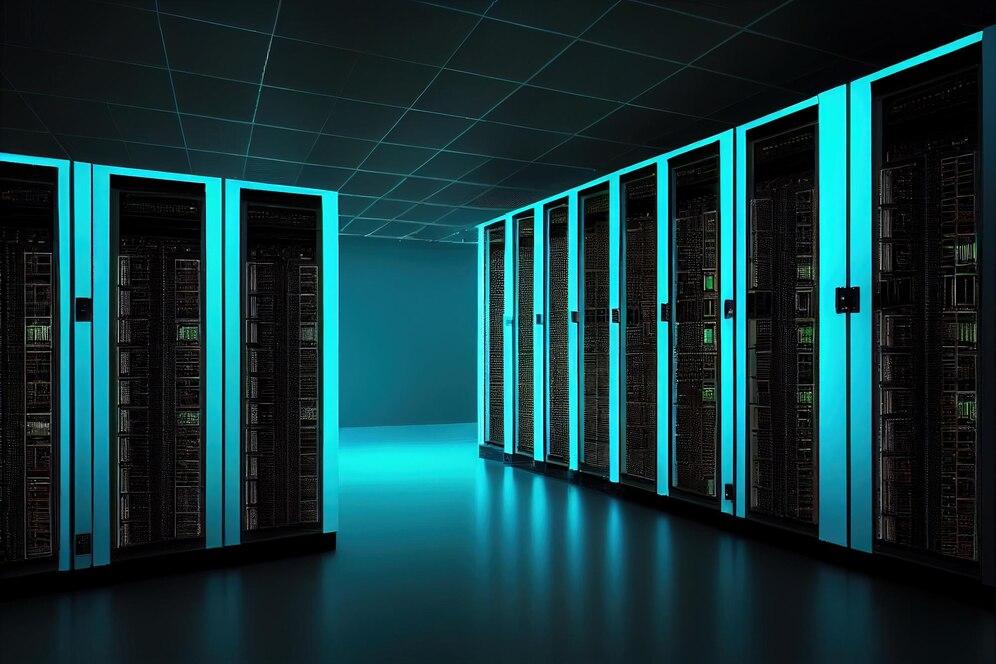
In the complex and capital-intensive world of data center operations, every decision impacts performance, efficiency, and cost. The humble data center rack has evolved from a mere piece of furniture into a critical and multi-faceted Data Center Rack Market Solution that directly addresses some of the most fundamental challenges faced by data center operators. The most basic problem that the modern rack solves is that of density and space optimization. Data center floor space, or "white space," is an extremely valuable and expensive commodity. The challenge for operators is to maximize the amount of revenue-generating IT equipment they can fit into a given footprint. The data center rack is the primary solution to this problem. By providing a standardized, vertically-oriented structure, it allows dozens of servers to be densely packed into a footprint of just a few square feet. The trend towards taller racks (e.g., 48U or 52U) is a direct response to this need, allowing operators to increase their compute density without expanding their physical building, thereby maximizing the return on their real estate investment and solving the core challenge of space efficiency.
A second, and perhaps more critical, problem that the modern rack solves is thermal management and energy efficiency. Data center cooling is one of the largest and most volatile operational expenses, often accounting for 30-40% of a facility's total electricity bill. The problem is that servers generate a massive amount of heat, and if this heat is not effectively removed, it can lead to equipment failure and catastrophic downtime. A poorly designed airflow strategy, where hot exhaust air from servers mixes with the cold air meant to cool them, is incredibly inefficient, forcing cooling systems to work much harder than necessary. The modern data center rack, as part of a hot/cold aisle containment system, is the definitive solution to this problem. By creating a physical separation between the server inlets (in the cold aisle) and the server exhausts (in the hot aisle), the rack system prevents this air mixing. This simple solution dramatically improves the efficiency of the cooling system, allowing operators to run their facilities at higher temperatures, reduce fan speeds, and achieve significant, measurable savings on their energy bills, directly impacting the bottom line.
The data center rack also provides an essential solution to the problem of managing a complex and dynamic physical environment. A large data center can contain thousands of racks and tens of thousands of servers, all of which need to be powered, cabled, and tracked. Manually managing this environment is an impossible task, prone to errors and inefficiencies. The modern "intelligent rack" ecosystem provides the solution. Through the integration of intelligent rack PDUs, environmental sensors, and asset management tags, the rack becomes a source of rich, real-time data about the physical layer. This data flows into a central Data Center Infrastructure Management (DCIM) platform, solving the problem of a lack of visibility. With this solution, operators can see exactly how much power each rack is drawing, what the temperature is at the top, middle, and bottom of the rack, and precisely which server is located in which U-space. This eliminates guesswork, enables accurate capacity planning, and allows for faster troubleshooting, transforming the data center from a "black box" into a fully instrumented and manageable environment.
Finally, the rack is a key solution for enabling rapid deployment and scalability, which is a critical business requirement in the fast-moving cloud and colocation markets. The problem for hyperscalers and colocation providers is that they need to be able to bring new data center capacity online as quickly as possible to meet customer demand. A slow, piecemeal deployment process can lead to lost revenue and competitive disadvantage. The solution is the standardization and pre-integration of the rack platform. Many large operators now use a "rack and roll" deployment model. In this model, racks are fully assembled and populated with servers, switches, and cabling at an off-site integration facility. These pre-configured racks are then simply rolled onto the data center floor, connected to power and networking, and are ready to go live. This modular, assembly-line approach, which is entirely dependent on a standardized and well-designed rack platform, can reduce data center deployment times from months to weeks, providing the speed and scalability necessary to compete in the demanding world of cloud infrastructure services.
Explore Our Latest Trending Reports!

 English
 Arabic
 French
 Spanish
 Deutsch
 Turkish
 Dutch
Dutch
 Italiano
 Russian
 Romaian
 Portuguese (Brazil)
 Greek
Greek