
How an Oxygen Concentrator Works: A Complete Guide
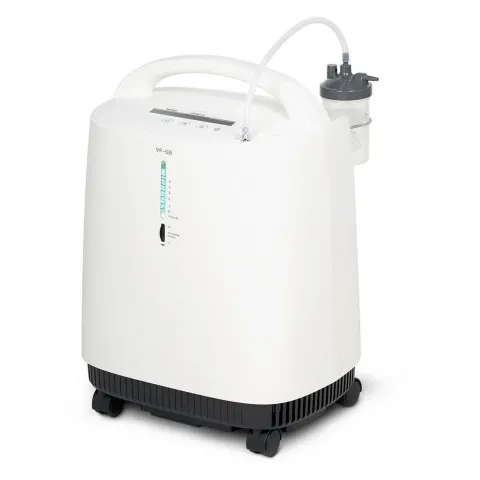
Oxygen therapy plays an essential role in improving the quality of life for people who struggle with breathing difficulties. Many individuals with respiratory conditions rely on oxygen support to maintain healthy oxygen levels in their blood. One of the most effective and widely used devices for oxygen therapy today is the oxygen concentrator. Understanding how this device works can help patients and caregivers make better healthcare decisions.
In this complete guide, we will explain how an oxygen concentrator works, its key components, benefits, types, and why it has become a preferred choice for home oxygen therapy.
What Is an Oxygen Concentrator?
An oxygen concentrator is a medical device that provides oxygen therapy by extracting oxygen from the surrounding air. Unlike traditional oxygen tanks that store compressed oxygen, an oxygen concentrator produces oxygen continuously from the air in the environment.
The air we breathe contains approximately 78% nitrogen, 21% oxygen, and 1% other gases. An oxygen concentrator works by separating nitrogen from the air and delivering purified oxygen to the patient.
This technology makes oxygen concentrators a reliable and convenient option for individuals who need long-term oxygen therapy.
Why Oxygen Therapy Is Important
Oxygen therapy is often prescribed for individuals with chronic respiratory conditions such as:
-
Chronic Obstructive Pulmonary Disease (COPD)
-
Asthma
-
Pneumonia
-
Pulmonary fibrosis
-
Sleep apnea
-
Heart conditions affecting oxygen circulation
When the body does not receive enough oxygen, it can lead to fatigue, confusion, shortness of breath, and serious health complications. Oxygen therapy ensures that the body receives adequate oxygen to support vital organs and overall health.
How an Oxygen Concentrator Works
To understand the functionality of this device, it is helpful to break down the process into simple steps.
1. Air Intake
The oxygen concentrator first draws in air from the surrounding environment. This air enters the device through an air filter that removes dust, bacteria, and other impurities.
The filtration system ensures that only clean air enters the concentrator.
2. Air Compression
Once the air is filtered, the device uses an internal compressor to compress the air. Compression increases the pressure inside the machine, which helps separate oxygen from nitrogen more efficiently.
This step is crucial because it prepares the air for the oxygen separation process.
3. Nitrogen Separation
The core technology used in oxygen concentrators is called Pressure Swing Adsorption (PSA). In this process, the compressed air passes through special materials called zeolite sieve beds.
These sieve beds trap nitrogen molecules while allowing oxygen to pass through. As a result, nitrogen is removed, and the remaining gas becomes oxygen-rich.
4. Oxygen Collection
After nitrogen is removed, the device collects high-purity oxygen, typically around 90% to 95% oxygen concentration.
This oxygen is stored temporarily inside a reservoir tank within the concentrator before being delivered to the patient.
5. Oxygen Delivery
Finally, the purified oxygen travels through a tube connected to a nasal cannula or oxygen mask. The patient breathes in the oxygen, helping maintain healthy oxygen levels in the bloodstream.
This process runs continuously, ensuring a steady oxygen supply.
Key Components of an Oxygen Concentrator
An oxygen concentrator consists of several important components that work together to deliver oxygen therapy effectively.
Air Filters
Air filters remove dust, allergens, and pollutants from the air before it enters the machine. Regular cleaning or replacement of filters ensures optimal performance.
Compressor
The compressor increases air pressure, which is necessary for the oxygen separation process.
Sieve Beds
These contain zeolite crystals that absorb nitrogen from the air and allow oxygen to pass through.
Oxygen Tank or Reservoir
This temporarily stores purified oxygen before it is delivered to the patient.
Flow Meter
The flow meter controls how much oxygen is delivered to the patient per minute, usually measured in liters per minute (LPM).
Nasal Cannula or Oxygen Mask
These accessories allow the patient to inhale the oxygen comfortably.
Types of Oxygen Concentrators
There are two main types of oxygen concentrators available today.
1. Stationary Oxygen Concentrators
Stationary concentrators are designed for home use. They are larger devices that provide a continuous oxygen supply and can deliver higher oxygen flow rates.
Features include:
-
Continuous oxygen delivery
-
High oxygen capacity
-
Reliable for long-term therapy
These machines are commonly used by patients who require oxygen therapy throughout the day or night.
2. Portable Oxygen Concentrators
Portable oxygen concentrators are smaller and designed for mobility and travel. They run on rechargeable batteries and allow patients to maintain an active lifestyle.
Advantages include:
-
Lightweight design
-
Battery operation
-
Travel-friendly
Portable devices are ideal for people who want freedom and flexibility while managing their oxygen therapy.
Benefits of Using an Oxygen Concentrator
Oxygen concentrators offer several advantages over traditional oxygen tanks.
Continuous Oxygen Supply
Unlike oxygen cylinders that eventually run out, concentrators produce oxygen continuously as long as the machine has power.
Cost-Effective
Since the device generates oxygen from the air, patients do not need to refill tanks regularly, making it more economical over time.
Convenience
Patients can use oxygen concentrators at home without worrying about replacing heavy cylinders.
Safety
Oxygen concentrators reduce the risks associated with high-pressure oxygen tanks.
Improved Quality of Life
Oxygen therapy helps patients breathe easier, stay active, and perform daily tasks with less fatigue.
Who Needs an Oxygen Concentrator?
Doctors prescribe oxygen concentrators for individuals with conditions that cause low blood oxygen levels.
Common patients include:
-
People with chronic lung disease
-
Patients recovering from severe respiratory infections
-
Individuals with heart-related breathing problems
-
Elderly individuals with reduced lung capacity
Before using an oxygen concentrator, a healthcare provider must determine the appropriate oxygen flow rate for the patient.
Maintenance and Care Tips
Proper maintenance ensures that the oxygen concentrator works efficiently and lasts longer.
Clean the Filters Regularly
Dust filters should be cleaned weekly to maintain proper airflow.
Check the Tubing
Inspect oxygen tubes and cannulas for blockages or damage.
Keep the Device in a Well-Ventilated Area
The concentrator needs proper airflow around it to function efficiently.
Schedule Routine Servicing
Regular professional maintenance can prevent technical issues and ensure consistent oxygen output.
Safety Tips When Using an Oxygen Concentrator
While oxygen concentrators are safe, users should follow certain precautions.
-
Keep the device away from flames and smoking areas
-
Maintain proper ventilation around the machine
-
Use only approved accessories
-
Follow the prescribed oxygen flow rate
These safety measures help prevent accidents and ensure effective therapy.
Final Thoughts
Understanding how an oxygen concentrator works can help patients and caregivers feel more confident when using this life-enhancing medical device. By extracting oxygen from the air and delivering purified oxygen directly to the patient, oxygen concentrators provide a reliable and convenient solution for oxygen therapy.
With advancements in technology, modern oxygen concentrators are more efficient, portable, and user-friendly than ever before. Whether used at home or on the go, these devices help individuals with respiratory conditions breathe easier and maintain a healthier, more active lifestyle.
One trusted option many people consider is the VelaraCare oxygen concentrator, known for its reliable performance, user-friendly design, and consistent oxygen delivery. Devices like the VelaraCare oxygen concentrator are designed to provide dependable oxygen therapy while ensuring comfort and convenience for patients who need continuous respiratory support.
If you or a loved one requires oxygen therapy, consulting with a healthcare professional can help determine the best oxygen concentrator for your needs. Proper use and maintenance will ensure that the device provides safe and effective oxygen support for years to come.

 Arabic
 French
 Spanish
 Portuguese
 Deutsch
 Turkish
 Dutch
Dutch
 Italiano
 Russian
 Romaian
 Portuguese (Brazil)
 Greek
Greek