
What Safety Protocols Protect Children and Pets During Community Henna Events?
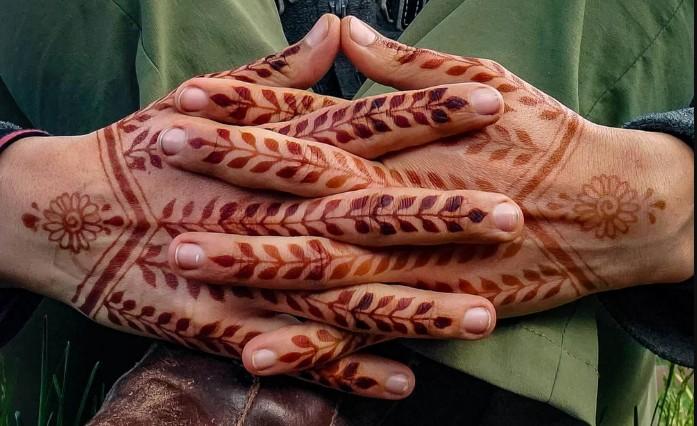
Community henna events are vibrant celebrations of culture, art, and connection. However, when an event involves a diverse crowd including energetic children and curious pets, the responsibility of the artist shifts from purely creative to primarily safety-oriented. The temporary nature of henna often gives the false impression that it is a "no-risk" activity, but professional artists know better. Safety in a public setting requires a combination of high-quality ingredient control, physical station management, and clear communication with guardians. Protecting these vulnerable groups ensures that the event remains a positive memory rather than a medical emergency, cementing the artist's reputation as a trustworthy professional.
The Vital Importance of Using 100% Natural Henna
The most critical safety protocol for any community event is the exclusive use of 100% natural henna. Many commercial "black henna" products found in festivals contain PPD (para-phenylenediamine), a chemical dye that can cause permanent scarring, blisters, and severe allergic reactions, especially on the sensitive skin of children. A professional artist must be able to educate parents on the spot about the difference. Natural henna is a plant-based paste that smells like essential oils and stains in shades of orange to deep reddish-brown. If the paste promises an instant black stain or has a chemical odor, it is a danger to the community and should never be used.
For those who have completed a comprehensive henna course, the ability to mix their own paste using organic henna powder, lemon juice, and skin-safe essential oils is a standard requirement. This transparency allows the artist to provide a full list of ingredients to concerned parents or pet owners. It is also important to note that certain essential oils, such as tea tree or high-camphor cajeput, can be too strong for very young children or irritating to pets. Professional artists often keep a "lavender-only" or "oil-free" batch specifically for children under the age of six to ensure the highest level of dermatological safety.
Physical Station Security and Preventing Accidental Ingestion
At a busy community event, the physical setup of the henna station is a primary safety barrier. Children are naturally prone to sudden movements, and pets may be attracted to the earthy scent of the henna paste. To prevent accidents, a professional artist should use a stable table and heavy-duty chairs that cannot be easily tipped. All henna cones should be capped when not in use, and the "working" area should be kept clear of loose supplies. A clear physical boundary, such as a small rug or a portable stanchion, can help define the workspace and prevent pets from wandering underfoot where they might accidentally ingest fallen paste or get stained.
Ingestion is a major concern when pets are present. While natural henna is generally non-toxic in tiny amounts, the essential oils and high sugar content in many pastes can cause upset stomachs in dogs or cats. Furthermore, the plastic film or tape used to wrap a design is a choking hazard. By maintaining a clean station, the artist prevents these risks entirely. This focus on environmental management is often overlooked by beginners, which is why structured henna course training is so valuable. It teaches the artist to think three steps ahead of the crowd, ensuring the environment is as controlled as the art itself.
Communication Protocols with Parents and Pet Owners
Safety is a collaborative effort between the artist and the guardian. Before applying a single dot of paste, a professional artist must conduct a brief "safety interview." They should ask if the child has any known skin sensitivities or a history of G6PD deficiency, a rare condition where henna can cause medical issues. Providing a small aftercare card that lists the ingredients and removal instructions is an essential protocol. This card acts as a permanent record for the parent, ensuring they know exactly what was applied to their child's skin and how to manage the drying process to prevent the child from smearing the paste into their eyes or mouth.
Beyond the physical safety, there is a mental component to the application process. Some artists find that creating a calm atmosphere helps children sit still, reducing the risk of smearing or accidents. For more insights on this, one might look into what mindfulness or meditation practices can be integrated into the henna application process? as a way to enhance the experience. By keeping the child engaged and relaxed, the artist ensures a better stain and a safer application. This holistic approach to the craft—combining physical safety with a calm demeanor—is what defines a truly elite community artist who can handle the pressures of a public event with grace.
Post-Application Safety: The Critical First Hour
The hour immediately following the henna application is the "danger zone" for smears and accidental contact. Children are likely to touch their new design and then touch their faces, while pets may try to lick the "strange" substance on their owner's hand. To mitigate this, professional artists often use a medical-grade breathable tape or a sugar-lemon sealant that dries quickly to a hard shell. This protects the design and prevents the paste from flaking off in the house where a pet might find it. Educating the parent on how to gently "wrap" the area with a sock or bandage can provide an extra layer of security during the drying phase.
These post-application protocols are just as important as the design itself. A professional henna course teaches students how to explain these technical steps in a way that is easy for a busy parent to follow. When an artist takes the time to explain the "why" behind the safety measures, it builds a massive amount of trust with the community. It shows that the artist values the wellbeing of the participants more than the speed of the line. This commitment to safety ensures that the henna tradition remains a safe and celebrated part of community life for years to come.
Conclusion: The Path to Professionalism in Community Art
Ensuring the safety of children and pets at community events is not a burden; it is a hallmark of professional excellence. From the careful selection of organic ingredients to the strategic layout of the workspace, every protocol serves to protect the integrity of the art form and the health of the public. As the popularity of henna continues to grow, the demand for artists who prioritize these safety standards will only increase. Parents and event organizers are looking for more than just a pretty design; they are looking for the peace of mind that comes with hiring a trained professional.

 English
 Arabic
 French
 Spanish
 Portuguese
 Deutsch
 Turkish
 Dutch
Dutch
 Italiano
 Russian
 Romaian
 Greek
Greek