
The Ultimate Guide to Becoming a Successful BIM Coordinator
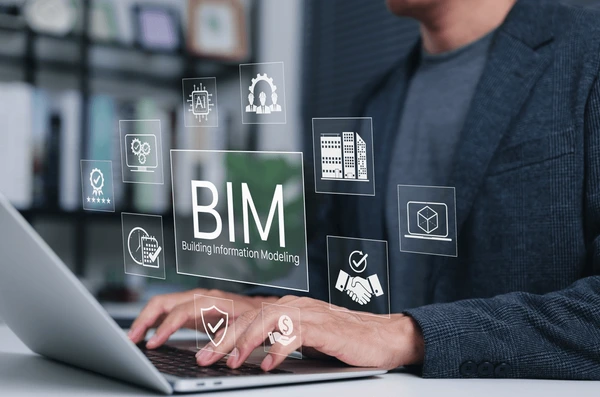
In the rapidly evolving world of construction and architecture, the role of a BIM Coordinator has become indispensable. As the built environment becomes more complex and digitally driven, organizations are relying on BIM (Building Information Modeling) professionals to streamline workflows, improve collaboration, and maximize efficiency. If you are aiming to become a successful BIM Coordinator or simply want a deeper understanding of what it takes to thrive in this career, this comprehensive guide is for you.
BIM coordination sits at the intersection of technology, communication, and project delivery. It requires a unique blend of technical expertise, people skills, and strategic thinking. Today, BIM Coordinators are not just model managers but vital contributors to project success across the AEC (Architecture, Engineering, and Construction) industry.
In this blog, we will explore the key aspects of becoming a successful BIM Coordinator, including required skills, tools, certifications, daily responsibilities, and tips for career advancement. We’ll also highlight how resources like aec7d.com can help you stay updated with industry trends and best practices.
What is a BIM Coordinator?
A BIM Coordinator acts as a central hub in the BIM process, ensuring that digital models from various disciplines (such as architecture, structural, and MEP) work together smoothly. Think of a BIM Coordinator as a conductor of an orchestra, where each discipline must play its part in harmony to create a cohesive final product.
Unlike BIM Technicians who mainly focus on modeling tasks, BIM Coordinators are responsible for:
-
Organizing and managing BIM processes
-
Coordinating interdisciplinary model integration
-
Ensuring compliance with BIM standards and protocols
-
Facilitating communication between project teams
-
Identifying and resolving clashes or conflicts in the model
-
Maintaining data integrity and model quality
The Importance of BIM Coordination in Modern Construction
The construction industry has long faced challenges such as miscommunication, data inconsistencies, and project inefficiencies. BIM coordination addresses these issues by creating a centralized, visual, and data-rich digital environment where all stakeholders can collaborate effectively.
Here are some reasons why BIM coordination is crucial:
-
Improved Collaboration: BIM tools allow all project teams to work on shared models, eliminating silos and encouraging real-time cooperation.
-
Conflict Detection: With clash detection tools, potential conflicts between systems (like ductwork and piping) are identified early, saving time and reducing costly rework.
-
Enhanced Visualization: 3D models help stakeholders visualize the project more clearly, aiding decision-making and reducing errors.
-
Efficient Workflows: Standardized processes and models improve efficiency and reduce redundant efforts.
In essence, BIM Coordinators help organizations deliver projects on time, within budget, and with high quality—making them indispensable in today’s digital construction ecosystem.
Essential Skills for a Successful BIM Coordinator
Becoming a successful BIM Coordinator requires a strong skill set that spans technical knowledge, communication abilities, and strategic thinking. Here are the core competencies you should develop:
1. Technical BIM Software Proficiency
A BIM Coordinator must be proficient in industry-standard BIM tools such as:
-
Autodesk Revit – widely used for architectural, structural, and MEP modeling
-
Navisworks – used for clash detection and model coordination
-
Tekla Structures – popular in structural steel and concrete detailing
-
Solibri Model Checker – used for advanced model checking and quality control
-
BIM 360 / Autodesk Construction Cloud – for cloud collaboration and project management
Understanding these tools thoroughly enables you to coordinate models effectively and troubleshoot technical issues.
2. Strong Understanding of BIM Standards
BIM isn’t just about software—it’s also about standards and structured processes. A successful BIM Coordinator should be familiar with:
-
ISO 19650 – international standard for information management using BIM
-
Project-specific BIM Execution Plans (BEPs)
-
Naming conventions, modeling standards, and data requirements
A strong grasp of these standards ensures consistency and high-quality deliverables.
3. Excellent Communication and Collaboration
As a BIM Coordinator, you’ll interact with architects, engineers, contractors, and clients. Clear communication is essential to:
-
Convey technical information to non-technical stakeholders
-
Resolve conflicts diplomatically
-
Lead coordination meetings effectively
Listening skills and the ability to bridge gaps between teams are invaluable in this role.
4. Problem-Solving and Critical Thinking
BIM coordination involves tackling complex challenges such as model inconsistencies, system clashes, and data issues. Successful BIM Coordinators think critically and approach problems methodically, ensuring resolution without compromising project goals.
5. Project Management Skills
While not strictly project managers, BIM Coordinators often take on tasks related to planning, tracking deliverables, and managing deadlines. Familiarity with project management principles helps keep the BIM process aligned with overall project timelines.
Daily Responsibilities of a BIM Coordinator
Every project can vary, but there are common tasks BIM Coordinators perform regularly. Here’s a look at what a typical day might involve:
Model Integration and Validation
-
Import and integrate models from various disciplines
-
Ensure models adhere to project standards
-
Perform model validation checks to identify errors or inconsistencies
Clash Detection and Resolution
-
Run clash detection tests using tools like Navisworks
-
Review and categorize clashes based on severity
-
Work with design teams to resolve issues and update models
Coordination Meetings
BIM Coordinators often lead or participate in weekly coordination meetings where teams discuss:
-
Model updates
-
Conflicts detected
-
Required changes
-
Action items and deadlines
Strong facilitation skills are key to keeping these meetings productive.
Updating BIM Documentation
-
Maintain BIM Execution Plans (BEP)
-
Update model documentation and file structures
-
Ensure all changes are logged and communicated
Maintaining clear documentation helps teams stay aligned and reduces the risk of errors.
Quality Control and Compliance
-
Conduct quality checks to ensure models meet standards
-
Confirm that data requirements are fulfilled
-
Provide feedback to team members to improve model quality
BIM Coordinator Certifications and Training
Certifications can enhance your credibility and technical knowledge, making you more competitive in the job market. Some recognized certifications include:
-
Autodesk Certified Professional (Revit)
-
BuildingSMART Professional Certification
-
Certified BIM Manager/Coordinator courses from recognized institutions
In addition to formal certifications, continuous learning through online platforms, workshops, and industry conferences is essential. Websites like aec7d.com provide valuable insights, tutorials, and news updates that help you stay current with industry advancements.
Tips for Advancing Your BIM Coordination Career
Becoming an effective BIM Coordinator is one step; advancing in your career is another. Here are actionable tips to help you grow:
1. Stay Updated with Technology
The BIM landscape evolves rapidly. Familiarize yourself with emerging tools such as generative design, AI-assisted modeling, and digital twin technologies. Staying ahead of technology trends makes you a valuable asset.
2. Network with Industry Professionals
Networking opens doors to mentorship opportunities, referrals, and collaborations. Attend industry events, join BIM forums, and participate in online communities.
3. Specialize in a Niche
While BIM coordination covers broad responsibilities, specializing in areas like structural BIM, MEP coordination, or construction sequencing can increase your expertise and appeal to employers.
4. Build Leadership Skills
Strong leadership can propel your career from coordination to management roles. Take on responsibilities such as training new team members, leading meetings, or improving BIM processes within your organization.
5. Create a Strong Portfolio
Showcase your experience through a well-organized portfolio. Include examples of coordinated models, clash reports, and successful project deliveries. A compelling portfolio reflects your practical expertise and problem-solving capabilities.
Common Challenges and How to Overcome Them
No career is without its obstacles. Here are some common challenges BIM Coordinators face and strategies to overcome them:
Resistance to Change
Many individuals and organizations are slow to adopt BIM workflows. Educate stakeholders on the benefits of BIM through demonstrations and real-world examples that showcase efficiency gains.
Model Complexity
Large and complex models can be difficult to manage. Break down models into manageable parts, enforce strict naming conventions, and use efficient file management strategies to avoid chaos.
Communication Barriers
Miscommunication can lead to errors. Improve clarity by standardizing communication channels, using visual aids, and documenting decisions made during coordination meetings.
Final Thoughts
The role of a BIM Coordinator is both challenging and rewarding, offering opportunities to make significant impacts on project outcomes. With the right blend of technical knowledge, communication skills, and strategic mindset, you can excel in this dynamic field.
Remember, becoming successful doesn’t happen overnight. It is a continuous journey of learning, adapting, and collaborating with others. Take advantage of resources like aec7d.com to expand your BIM knowledge and stay informed about industry trends.
Whether you are new to BIM or looking to elevate your career, this guide provides a roadmap to help you become a competent and respected BIM Coordinator in the AEC industry. Start building your skills today, connect with professionals, and embrace the digital future of construction with confidence.

 English
 Arabic
 French
 Spanish
 Portuguese
 Turkish
 Dutch
Dutch
 Italiano
 Russian
 Romaian
 Portuguese (Brazil)
 Greek
Greek