
Comprehensive Guide to Water Heaters Repair and Tankless Water Heaters
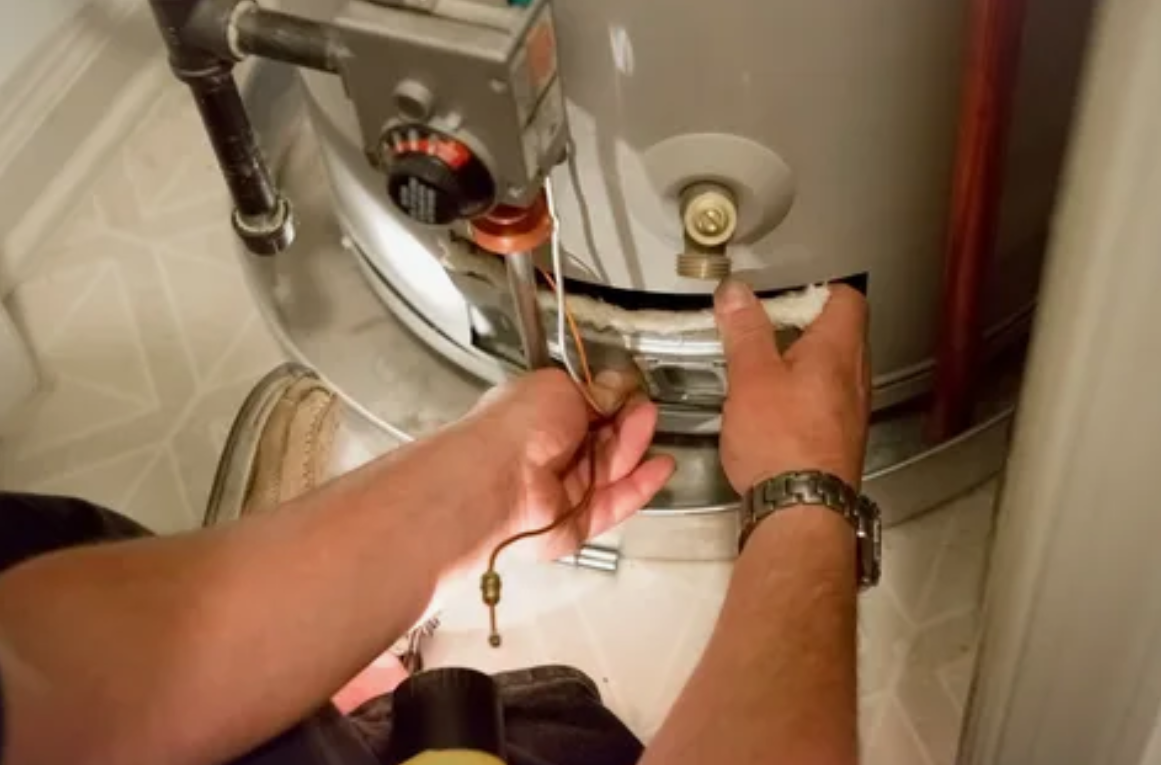
When it comes to home comfort, few appliances are as essential as your water heater. From warm showers to clean dishes, a functioning water heater is critical for everyday life. However, like any appliance, water heaters can face issues over time, requiring professional attention. Whether you’re dealing with a traditional tank system or exploring modern options like tankless water heaters, understanding repair needs and options can save time, money, and frustration. This guide covers everything homeowners need to know about water heaters repair and tankless water heaters.
Common Water Heater Issues
Water heaters, whether traditional tank-based or tankless, can develop problems due to age, usage, or maintenance lapses. Identifying these issues early ensures safety and prolongs the lifespan of your system.
1. No Hot Water or Insufficient Hot Water
One of the most common complaints is the absence of hot water. In tank water heaters, this may indicate a malfunctioning heating element, thermostat, or a problem with the gas burner. Tankless water heaters, which heat water on demand, can fail due to mineral buildup in the heat exchanger or electronic issues in the control panel.
2. Strange Noises
Rumbling, popping, or banging sounds often occur in tank water heaters. These noises usually result from sediment buildup at the bottom of the tank. Over time, minerals from hard water settle and create a barrier between the heating element and water, causing the water to overheat and make noise.
3. Water Leaks
Leaks around a water heater can indicate serious problems, such as a failing tank, corrosion, or loose connections. Even small leaks can damage flooring and promote mold growth if left unchecked. Immediate professional water heaters repair is necessary to prevent further damage.
4. Discolored or Smelly Water
Rusty water often signals corrosion inside a tank water heater. On the other hand, a foul smell, such as a rotten egg odor, typically results from bacterial growth in the water. Both issues require prompt attention to ensure safe, clean water for your household.
5. Pilot Light or Burner Issues
Gas water heaters rely on a pilot light or ignition system to operate. If the pilot light keeps going out or the burner fails to ignite, the heater cannot function properly. These problems are common in older systems or units with clogged burners.
When to Call a Professional for Water Heaters Repair
While some minor maintenance tasks, such as flushing a tank, can be performed by homeowners, most water heaters repair tasks require professional expertise. Here are scenarios where calling a licensed technician is essential:
- Persistent leaks or water pooling around the unit
- Inconsistent water temperature or no hot water
- Strange noises indicating internal damage
- Gas odors near the heater, which could indicate a leak
- Electrical issues in electric water heaters
Professional repair services not only fix the problem but also ensure the unit operates safely and efficiently. Attempting complex repairs without proper training can lead to further damage, costly replacements, or even hazardous situations.
The Advantages of Tankless Water Heaters
Tankless water heaters, also known as on-demand water heaters, have grown in popularity due to their energy efficiency and space-saving design. Unlike traditional tank systems that store hot water, tankless units heat water only when needed, offering several advantages:
1. Energy Efficiency
Because tankless water heaters heat water only as it’s used, they avoid the standby energy loss that traditional tanks experience. This efficiency can lead to significant savings on energy bills over time.
2. Endless Hot Water
Tankless systems provide a continuous supply of hot water, making them ideal for households with high water demands or multiple bathrooms. You’ll never have to worry about running out of hot water during a shower or while doing laundry.
3. Compact Design
Tankless water heaters are smaller and can be mounted on walls, freeing up valuable floor space. This feature is particularly useful in homes with limited utility room space.
4. Longer Lifespan
Tankless water heaters generally last longer than traditional tank units, often exceeding 20 years with proper maintenance. Regular servicing, such as descaling and inspection, helps ensure peak performance.
Tankless Water Heater Maintenance and Repair
While tankless systems are efficient, they are not entirely maintenance-free. Proper care prevents costly repairs and extends the lifespan of your unit.
1. Descaling and Flushing
Mineral buildup, especially in areas with hard water, can reduce efficiency and damage components. Periodic descaling ensures smooth operation and consistent water flow.
2. Filter Cleaning
Most tankless water heaters have filters that trap debris and sediment. Cleaning or replacing these filters is crucial to maintain performance.
3. Professional Inspection
A licensed technician can perform a comprehensive inspection, checking gas lines, electrical connections, and the heat exchanger. Regular inspections catch issues before they escalate, avoiding unexpected breakdowns.
4. Common Repairs
Even with proper maintenance, tankless water heaters can require repairs. Common issues include:
- Malfunctioning ignition or burner system
- Flow sensor problems
- Leaks in water or gas lines
- Electrical or control board failures
Hiring an experienced technician ensures repairs are done safely and efficiently, restoring reliable hot water in your home.
Choosing the Right Water Heater for Your Home
Deciding between a traditional tank water heater and a tankless system depends on your household needs, budget, and preferences. Here are key considerations:
- Household Size: Larger families may benefit from tankless water heaters due to the continuous hot water supply.
- Energy Costs: If energy efficiency is a priority, tankless systems typically offer long-term savings.
- Space Availability: Tankless units are ideal for homes with limited space.
- Initial Investment: Traditional tank water heaters are often less expensive upfront, while tankless systems have higher installation costs but lower operating costs over time.
DIY Tips and Safety Precautions
While professional repair is recommended for most issues, homeowners can take small steps to maintain their water heaters:
- Regularly check for leaks around the tank or connections
- Flush the tank annually to prevent sediment buildup
- Monitor water temperature to avoid overheating
- Keep the area around the water heater clear of flammable materials
Always follow manufacturer guidelines and safety instructions. Gas leaks, electrical issues, or corrosion require immediate professional intervention.
Conclusion
A reliable water heater is essential for modern living, and understanding the nuances of water heaters repair and tankless water heaters is key to maintaining comfort and efficiency in your home. Whether you have a traditional tank system or a high-tech tankless unit, regular maintenance, timely repairs, and professional inspections ensure safe, uninterrupted hot water for years to come. Investing in quality service and keeping your system well-maintained not only protects your home but also provides peace of mind knowing your family will always have the hot water they need.
By staying informed about common problems, repair options, and the benefits of tankless water heaters, homeowners can make smart decisions that save money and enhance their home’s comfort.

 English
 Arabic
 French
 Spanish
 Portuguese
 Deutsch
 Turkish
 Dutch
Dutch
 Italiano
 Romaian
 Portuguese (Brazil)
 Greek
Greek