
Metal Stamping Tool And Die Maintenance?
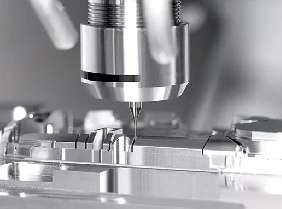
metal stamping tool and die plays an important role in maintaining stable production quality, but tooling wear does not always appear through obvious damage. In modern stamping factories, experienced engineers often focus on small changes during daily operations instead of waiting until visible failures affect production. Slight differences in part accuracy, machine performance, and production records can provide early information about tooling conditions.
Tool wear usually develops through continuous production rather than appearing suddenly. During repeated stamping cycles, cutting edges may gradually lose sharpness, clearances may change, and contact surfaces may experience small variations. These changes are often difficult to identify in a single production run, but they become more noticeable when manufacturers compare multiple batches produced by the same tooling.
Production data has become an important reference for maintenance planning. Engineers now review factors such as production quantity, stroke numbers, inspection results, and operator feedback to understand possible wear trends. Instead of replacing tooling based only on estimated service time, many factories evaluate the actual working conditions of each metal stamping tool and die to create more accurate maintenance schedules.
The performance of stamping tooling can also vary depending on the material being processed. Different metals have different hardness levels, thicknesses, and surface characteristics, which can influence wear speed during production. For example, tooling used for thin electrical steel may experience different conditions compared with tooling used for thicker metal sheets. This is why manufacturers often consider material properties and production requirements when evaluating tooling life.
Regular observation helps manufacturers reduce unexpected downtime while improving the utilization of existing equipment. By combining inspection routines, production records, and operator experience, factories can identify early wear signals before they develop into serious quality problems. Managing tooling conditions through continuous monitoring has become an important approach for achieving stable stamping performance.

 Arabic
 French
 Spanish
 Portuguese
 Deutsch
 Turkish
 Dutch
Dutch
 Italiano
 Russian
 Romaian
 Portuguese (Brazil)
 Greek
Greek