
Professional Land Surveying When Changes Force a Fresh Round
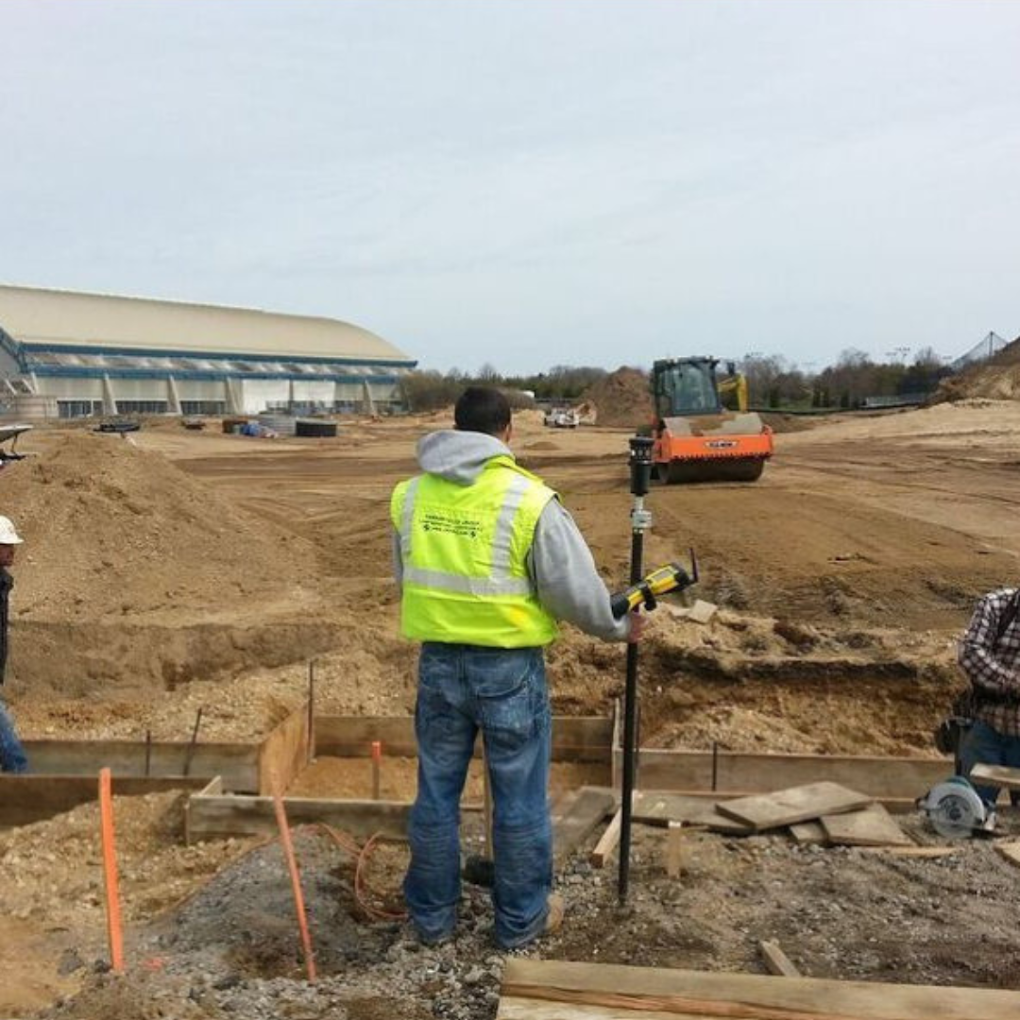
What Changes Require a Fresh Round of Professional Land Surveying
AI OverviewWhen property changes happen, the original survey may no longer hold up. New fences, added structures, subdivided lots, or road widening projects can shift physical evidence or legal descriptions. A fresh round of professional land surveying becomes necessary to reestablish boundaries, protect ownership rights, and avoid future disputes. Without updated surveying, even small changes can lead to costly legal battles or construction delays. |
A Boundary Shift You Did Not See Coming
You close on a suburban lot with a stamped map from ten years ago. The fence stands where it always has. The concrete driveway looks fine. Then the neighbor builds a garage. Suddenly, your survey does not match the pins in the ground. This happens more often than most engineers admit.
The real problem is not bad intent. It is a physical change. Trees grow and push monuments aside. Town road crews pull out old iron pins during sewer work. Homeowners replace fences two feet inside their assumed line without checking records. Each small action chips away at the original survey's reliability.
Professional land surveying acts as the reset button after these cumulative shifts. You cannot rely on a decade-old document when the ground itself has changed. The solution is straightforward: run a fresh survey after any major property alteration. That single step prevents the domino effect of misplaced assumptions.
New Construction Almost Always Changes the Original Picture
Think about what happens when you pour footings for an addition. Excavators scrape topsoil. Temporary stakes get knocked over. Contractors grade the site for drainage. Any one of these actions can disturb or remove boundary markers that have stayed untouched for decades.
Professional land surveying before construction gives you a baseline. But the less obvious need comes after the work finishes. Heavy equipment compresses soil around monument locations. New retaining walls or patios cover old pin positions. Survey crews cannot measure what they cannot see.
This is where many project managers cut corners. They assume the pre-construction survey remains valid. That assumption fails when the site layout changes. A fresh round of professional land surveying post-construction documents where boundaries sit after all the disturbance. It also gives you legal standing if a neighbor claims your new wall crossed their line.
Three specific construction scenarios demand updated surveying:
-
New driveways or parking pads that extend toward side lot lines
-
Detached garages or sheds placed near the rear boundary
-
Retaining walls that alter grade levels at the property edge
Each scenario moves dirt and changes sight lines. Without a fresh survey, you hold a map of the past while standing in a different present.
When Old Records Conflict With Physical Evidence
Surveyors rely on two data sources. Written deeds and maps form one pillar. Physical monuments form the other. Problems start when these two contradict each other. A deed says 150 feet. The iron pin sits at 148 feet. Whom do you believe?
Professional land surveying resolves this conflict through systematic evidence weighing. The surveyor checks adjoining property records, historical maps, and any prior litigation. Field crews search for original monumentation, not just replacement pins set by previous owners. Sometimes the answer lies in a 1940s subdivision map that no one looked at for fifty years.
Hiring an expert witness becomes necessary when these conflicts end up in court. An expert witness does not take sides based on the client's story. They present the physical evidence and explain which source holds more weight under state law. Judges expect this neutral testimony. Without it, boundary disputes turn into "he said, she said" arguments with no technical anchor.
The cost of hiring an expert witness is small compared to losing ten feet of usable land or paying to move an encroaching structure.
Subdivision and Lot Line Adjustments Wipe Out Old Boundaries
A single-family parcel splits into two buildable lots. The town approves the new plat. Everyone celebrates. Then the real work begins. Each new lot needs its own boundary verification. The original survey for the parent parcel no longer applies because the legal description changed.
Professional land surveying after subdivision does more than mark corners. It establishes new documentation for each tax lot. This protects future buyers, lenders, and contractors who will rely on those markers for decades. Skipping this step creates a chain of title problems that later owners cannot easily fix.
Data from county recording offices shows a pattern: Properties that went through subdivision without updated surveying generate boundary disputes three times more often than those with fresh surveys. The reason is simple. Without new monumentation, each subsequent owner guesses where the line sits based on old maps that no longer match the divided reality.
One paragraph says it all. A subdivision changes legal descriptions. Changed legal descriptions demand fresh field evidence. Fresh field evidence requires professional land surveying. Break any link in that chain, and you build on uncertainty.
Road Widening and Utility Work: Move Your Lines Without Notice
Municipal projects are quite boundary thieves. The town widens a road by four feet on each side. The water department installs a new main and removes three survey pins. The electric company trenches along the rear easement and covers existing monuments with fill dirt. None of these agencies notifies property owners.
Professional land surveying after any public works project near your land shows what you actually lost or kept. In some cases, the town took more than the recorded right-of-way allowed. In others, the contractor reset pins in the wrong locations. You cannot file a claim or demand correction without current survey evidence.
Hiring an expert witness becomes valuable here because municipal liability cases follow different rules than neighbor disputes. An expert witness reviews the original taking documents, compares them to post-construction field measurements, and calculates any discrepancy. That report gives your attorney something concrete to negotiate with, not just suspicions.
The window for challenging a road widening is often short. Some states allow only two or three years. A fresh survey right after construction ends gives you the data needed to act before deadlines pass.
When Lenders or Title Companies Refuse to Close
A commercial property goes under contract. The buyer secures financing. The title company runs its search. Then the underwriter stops everything. The existing survey shows a shed that encroaches over the side line by two feet. Or the flood zone designation has changed since the last map. Or the legal description contains ambiguous language that no one caught.
Professional land surveying in this situation is not optional. The lender demands a current survey before funding. The title company will not insure without clear boundaries. The buyer walks if the seller cannot produce updated documentation within the contingency period.
Three scenarios force this issue more than others:
-
Refinancing older properties that never received a modern survey
-
Commercial sales where encroachments affect parking or setback requirements
-
Estates or probate sales with outdated or missing property descriptions
Professional land surveying resolves each scenario by producing a fresh map that underwriters accept. No arguments. No exceptions. Just current data presented in a standard format.
Conclusion
Boundaries do not announce themselves when they move. No letter arrives in the mail saying an iron pin rusted away. No email alerts you that a town road crew covered your rear corner marker with asphalt. You find out the hard way when a contractor stops work or a neighbor hands you a cease and desist.
Professional land surveying acts as your early warning system. It catches shifts before they become fights. Much like engineers who rely on established firms for difficult site analysis, property owners benefit from resources that deliver current ground truth. Firms such as Ferrantello Group represent that standard. A fresh round of professional land surveying costs far less than litigation. So does hiring an expert witness when the dispute reaches a courtroom. Spend the money on the survey. You will not regret it.
Frequently Asked Questions (FAQs)
1. How often should a property owner commission professional land surveying?
Every five to ten years or immediately after any major construction, subdivision, or municipal project near boundary lines.
2. What is the first sign that I need to hire an expert witness for a boundary case?
When a neighbor files a formal legal action or a title objection cites ambiguous survey evidence.
3. Can professional land surveying locate pins that were buried decades ago?
Yes, using metal detectors, historical deed research, and control points from adjacent properties.
4. Does hiring an expert witness guarantee I will win a boundary dispute?
No, but it provides neutral, court-admissible evidence that improves settlement chances significantly.
5. How long does a typical round of professional land surveying take for a residential lot?
Two to four weeks, including deed research, field work, drafting, and quality review.

 English
 Arabic
 French
 Portuguese
 Deutsch
 Turkish
 Dutch
Dutch
 Italiano
 Russian
 Romaian
 Portuguese (Brazil)
 Greek
Greek