• Title:
    Modal Fiber Market to Reach USD 1.2 Billion by 2030 as Sustainable Textile Demand Accelerates

    Content:
    The global Modal Fiber Market is projected to grow from USD 781.3 million in 2023 to USD 1.2 billion by 2030, registering a CAGR of 5.5%. Growth is fueled by rising demand for sustainable, biodegradable, and high-performance textile fibers across the apparel, home textile, and industrial sectors. Increasing consumer preference for eco-friendly fashion, advancements in closed-loop production technologies, and expanding textile manufacturing in Asia-Pacific are creating significant opportunities for market participants.

    Link:
    https://www.24chemicalresearch.com/reports/273809/global-modal-fiber-market-2024-356
    Title: Modal Fiber Market to Reach USD 1.2 Billion by 2030 as Sustainable Textile Demand Accelerates Content: The global Modal Fiber Market is projected to grow from USD 781.3 million in 2023 to USD 1.2 billion by 2030, registering a CAGR of 5.5%. Growth is fueled by rising demand for sustainable, biodegradable, and high-performance textile fibers across the apparel, home textile, and industrial sectors. Increasing consumer preference for eco-friendly fashion, advancements in closed-loop production technologies, and expanding textile manufacturing in Asia-Pacific are creating significant opportunities for market participants. Link: https://www.24chemicalresearch.com/reports/273809/global-modal-fiber-market-2024-356
    WWW.24CHEMICALRESEARCH.COM
    Global Modal Fiber Market Research Report 2026(Status and Outlook)
    Modal Fiber Global Modal Fiber market was valued at USD 781.3 million in 2023 and is projected to reach USD 1.2 billion by 2030, at a CAGR of 5.5% during 2023-2030.
    0 Comments 0 Shares 386 Views 0 Reviews
  • Yoga Fabric: The Future of Comfort, Performance, and Mindful Living

    In recent years, the evolution of activewear has gone far beyond style trends, entering a space where functionality, sustainability, and well-being intersect. At the center of this transformation is yoga fabric—a specialized category of textiles designed to enhance movement, comfort, and durability while supporting a mindful lifestyle.

    What Is Yoga Fabric?

    Yoga fabric refers to materials specifically engineered for flexibility, breathability, and softness. Unlike traditional cotton or generic synthetic blends, these fabrics are crafted to move seamlessly with the body. Common types include blends of nylon, polyester, and spandex, often enhanced with moisture-wicking and four-way stretch technology.

    The defining feature of yoga fabric is its ability to provide a second-skin feel. Whether you’re transitioning between poses or holding a stretch, the fabric adapts without restricting movement or losing shape.

    Key Features and Benefits

    One of the most important qualities of yoga fabric is its stretchability. Four-way stretch allows the material to expand both horizontally and vertically, ensuring full freedom of motion. This is essential for yoga, where poses demand flexibility and stability simultaneously.

    Another major advantage is moisture management. High-quality yoga fabrics wick sweat away from the skin, keeping the body dry and comfortable during intense sessions. This feature also helps prevent chafing and irritation.

    Breathability plays a crucial role as well. Advanced fabric construction promotes airflow, regulating body temperature and enhancing overall comfort. Combined with lightweight softness, this makes yoga fabric ideal for extended wear, both during and after workouts.

    Durability is often overlooked but equally important. Yoga fabrics are designed to withstand repeated stretching and washing without losing elasticity or color, making them a long-term investment.

    Sustainability and Innovation

    As consumers become more environmentally conscious, many brands are turning to eco-friendly yoga fabrics. Recycled polyester, organic cotton blends, and biodegradable fibers are increasingly common. These materials reduce environmental impact while maintaining high performance standards.

    Innovations like antimicrobial treatments and odor-resistant finishes further elevate yoga fabric, making it suitable not just for exercise but for everyday wear.

    Beyond the Yoga Studio

    While originally developed for yoga, these fabrics have expanded into broader categories such as athleisure and casual wear. Leggings, tops, and even work-from-home outfits now incorporate yoga fabric due to its unmatched comfort and versatility.

    This shift reflects a larger cultural movement: people are prioritizing clothing that supports both physical activity and daily life. Yoga fabric fits perfectly into this lifestyle, offering a balance between performance and ease.

    Choosing the Right Yoga Fabric

    When selecting yoga apparel, it’s worth paying attention to fabric composition and feel. Look for blends with at least a small percentage of spandex for stretch, and consider your activity level when choosing thickness and compression.

    Equally important is how the fabric feels against your skin. A good yoga fabric should be smooth, non-restrictive, and supportive without being tight.

    Yoga fabric represents more than just a technical improvement in textiles—it reflects a shift toward intentional living. By combining comfort, performance, and sustainability, it supports not only physical movement but also a mindful approach to everyday life.

    As innovation continues, yoga fabric is set to redefine how we think about clothing—blurring the line between activewear and daily essentials, and making comfort a standard rather than a luxury.

    https://www.wanjietextile.com/burnout-16-wales-3d.html
    Yoga Fabric: The Future of Comfort, Performance, and Mindful Living In recent years, the evolution of activewear has gone far beyond style trends, entering a space where functionality, sustainability, and well-being intersect. At the center of this transformation is yoga fabric—a specialized category of textiles designed to enhance movement, comfort, and durability while supporting a mindful lifestyle. What Is Yoga Fabric? Yoga fabric refers to materials specifically engineered for flexibility, breathability, and softness. Unlike traditional cotton or generic synthetic blends, these fabrics are crafted to move seamlessly with the body. Common types include blends of nylon, polyester, and spandex, often enhanced with moisture-wicking and four-way stretch technology. The defining feature of yoga fabric is its ability to provide a second-skin feel. Whether you’re transitioning between poses or holding a stretch, the fabric adapts without restricting movement or losing shape. Key Features and Benefits One of the most important qualities of yoga fabric is its stretchability. Four-way stretch allows the material to expand both horizontally and vertically, ensuring full freedom of motion. This is essential for yoga, where poses demand flexibility and stability simultaneously. Another major advantage is moisture management. High-quality yoga fabrics wick sweat away from the skin, keeping the body dry and comfortable during intense sessions. This feature also helps prevent chafing and irritation. Breathability plays a crucial role as well. Advanced fabric construction promotes airflow, regulating body temperature and enhancing overall comfort. Combined with lightweight softness, this makes yoga fabric ideal for extended wear, both during and after workouts. Durability is often overlooked but equally important. Yoga fabrics are designed to withstand repeated stretching and washing without losing elasticity or color, making them a long-term investment. Sustainability and Innovation As consumers become more environmentally conscious, many brands are turning to eco-friendly yoga fabrics. Recycled polyester, organic cotton blends, and biodegradable fibers are increasingly common. These materials reduce environmental impact while maintaining high performance standards. Innovations like antimicrobial treatments and odor-resistant finishes further elevate yoga fabric, making it suitable not just for exercise but for everyday wear. Beyond the Yoga Studio While originally developed for yoga, these fabrics have expanded into broader categories such as athleisure and casual wear. Leggings, tops, and even work-from-home outfits now incorporate yoga fabric due to its unmatched comfort and versatility. This shift reflects a larger cultural movement: people are prioritizing clothing that supports both physical activity and daily life. Yoga fabric fits perfectly into this lifestyle, offering a balance between performance and ease. Choosing the Right Yoga Fabric When selecting yoga apparel, it’s worth paying attention to fabric composition and feel. Look for blends with at least a small percentage of spandex for stretch, and consider your activity level when choosing thickness and compression. Equally important is how the fabric feels against your skin. A good yoga fabric should be smooth, non-restrictive, and supportive without being tight. Yoga fabric represents more than just a technical improvement in textiles—it reflects a shift toward intentional living. By combining comfort, performance, and sustainability, it supports not only physical movement but also a mindful approach to everyday life. As innovation continues, yoga fabric is set to redefine how we think about clothing—blurring the line between activewear and daily essentials, and making comfort a standard rather than a luxury. https://www.wanjietextile.com/burnout-16-wales-3d.html
    Wholesale Yoga Fabric Suppliers - Zhejiang Wanjie Textile New Material Co., Ltd.
    The four-way stretch capability of Yoga Fabric ensures unrestricted movement and lasting shape retention, even after repeated washes.
    0 Comments 0 Shares 786 Views 0 Reviews
  • Why North America leading Flushable Fabrics via 38% EPA/INDA flushability standards?

    Global flushable biodegradable nonwoven fabric market size was valued at USD 1.62 billion in 2025 and is projected to grow from USD 1.76 billion in 2026 to USD 3.51 billion by 2034, exhibiting a CAGR of 9.0% during the forecast period This surge is attributed to rising demand in hygiene and personal care sectors, coupled with advances in sustainable material technologies.

    Download FREE Sample Report:https://www.24chemicalresearch.com/download-sample/270681/global-flushable-biodegradable-nonwoven-fabric-forecast-market-2024-2030-355
    Why North America leading Flushable Fabrics via 38% EPA/INDA flushability standards? Global flushable biodegradable nonwoven fabric market size was valued at USD 1.62 billion in 2025 and is projected to grow from USD 1.76 billion in 2026 to USD 3.51 billion by 2034, exhibiting a CAGR of 9.0% during the forecast period This surge is attributed to rising demand in hygiene and personal care sectors, coupled with advances in sustainable material technologies. Download FREE Sample Report:https://www.24chemicalresearch.com/download-sample/270681/global-flushable-biodegradable-nonwoven-fabric-forecast-market-2024-2030-355
    Sample Report: Flushable Biodegradable Nonwoven Fabric Market, Global Outlook and Forecast 2026-2033
    Download Sample Report PDF : Global flushable biodegradable nonwoven fabric market was valued at USD 1.45 billion in 2024 and is projected to reach USD 3.28 billion by 2032, at a CAGR of 9.3% during 2024-2032.
    0 Comments 0 Shares 459 Views 0 Reviews
  • Zhejiang Aojia Nonwoven Technology Co., Ltd. is a leading manufacturer of high-quality Facial Mask Nonwoven Fabric, designed to meet the evolving needs of the cosmetic and skincare industries. As sheet masks, eye patches, and lip masks become increasingly popular worldwide, the choice of nonwoven material is critical for enhancing serum delivery, maintaining skin comfort, and ensuring overall product performance. Aojia’s Facial Mask Nonwoven Fabric is engineered to combine high absorbency, exceptional wet strength, and a soft, skin-friendly texture, making it ideal for professional spa applications, consumer skincare products, and OEM mask production.
    Facial Mask Nonwoven Fabric
    https://www.spunlacenon-wovenfabric.com/mask.html
    Key Features
    Advanced Serum Absorption and Distribution – The structure of Aojia’s Facial Mask Nonwoven Fabric allows for rapid and uniform infusion of serums, essences, and active ingredients, ensuring each mask delivers maximum hydration, nourishment, and visible skincare benefits.
    Superior Wet Strength – Unlike ordinary materials, this nonwoven fabric maintains structural integrity even when fully saturated, preventing tearing, sagging, or slipping. Masks stay secure throughout the treatment, allowing active ingredients to fully penetrate the skin.
    Soft and Skin-Friendly Texture – Made from high-quality fibers such as viscose, bamboo, and Tencel, the fabric is hypoallergenic, gentle on all skin types, and ideal for sensitive skin, providing a comfortable, luxurious feel that enhances serum retention.
    Conformable Fit and Excellent Adhesion – The Facial Mask Nonwoven Fabric is designed to adapt naturally to the contours of the face, including delicate areas around the eyes, nose, and lips, minimizing slippage and maximizing contact for effective ingredient delivery.
    Customizable Specifications – Available in various thicknesses, widths, and patterns, this fabric supports full-face masks, eye or lip patches, and specialty treatments, offering flexibility for OEM and private-label production.

    Market Trends and Advantages
    Based on trending topics on Google, Facial Mask Nonwoven Fabric has become increasingly popular due to changing consumer preferences and industry innovations:
    Eco-Friendly and Biodegradable Materials – Consumers are favoring masks made from plant-based fibers like bamboo, lyocell, and responsibly sourced viscose, merging sustainability with high performance.
    Enhanced Hydration and Comfort – Users demand masks that retain moisture, feel gentle on the skin, and deliver a spa-like experience, aligning perfectly with Aojia’s soft yet durable nonwoven fabric.
    Innovative Fabric Patterns – Layered, embossed, or mesh designs improve serum retention, adhesion, and comfort, reflecting the latest developments in cosmetic nonwoven technology.
    Versatility Across Applications – From professional spa treatments to consumer retail products, this fabric supports a wide range of uses, allowing brands to produce premium and mass-market masks with consistent quality.

    Recommended Applications
    Full-Face Sheet Masks – Ensures uniform coverage and optimized serum delivery.
    Targeted Treatment Patches – Eye, lip, and specialty masks for precise skincare.
    Professional Spa Treatments – Ideal for salons, clinics, and premium cosmetic services.
    OEM and Private Label Production – Flexible customization allows brands to produce high-quality, innovative masks tailored to their product lines.
    By combining high absorbency, wet strength, skin comfort, and versatility, Zhejiang Aojia Nonwoven Technology Co., Ltd.’s Facial Mask Nonwoven Fabric provides a trend-aligned, high-performance solution for modern skincare. Brands leveraging this material can create effective, luxurious, and consumer-preferred masks that meet both professional standards and market expectations.

    Zhejiang Aojia Nonwoven Technology Co., Ltd. is a leading manufacturer of high-quality Facial Mask Nonwoven Fabric, designed to meet the evolving needs of the cosmetic and skincare industries. As sheet masks, eye patches, and lip masks become increasingly popular worldwide, the choice of nonwoven material is critical for enhancing serum delivery, maintaining skin comfort, and ensuring overall product performance. Aojia’s Facial Mask Nonwoven Fabric is engineered to combine high absorbency, exceptional wet strength, and a soft, skin-friendly texture, making it ideal for professional spa applications, consumer skincare products, and OEM mask production. Facial Mask Nonwoven Fabric https://www.spunlacenon-wovenfabric.com/mask.html Key Features Advanced Serum Absorption and Distribution – The structure of Aojia’s Facial Mask Nonwoven Fabric allows for rapid and uniform infusion of serums, essences, and active ingredients, ensuring each mask delivers maximum hydration, nourishment, and visible skincare benefits. Superior Wet Strength – Unlike ordinary materials, this nonwoven fabric maintains structural integrity even when fully saturated, preventing tearing, sagging, or slipping. Masks stay secure throughout the treatment, allowing active ingredients to fully penetrate the skin. Soft and Skin-Friendly Texture – Made from high-quality fibers such as viscose, bamboo, and Tencel, the fabric is hypoallergenic, gentle on all skin types, and ideal for sensitive skin, providing a comfortable, luxurious feel that enhances serum retention. Conformable Fit and Excellent Adhesion – The Facial Mask Nonwoven Fabric is designed to adapt naturally to the contours of the face, including delicate areas around the eyes, nose, and lips, minimizing slippage and maximizing contact for effective ingredient delivery. Customizable Specifications – Available in various thicknesses, widths, and patterns, this fabric supports full-face masks, eye or lip patches, and specialty treatments, offering flexibility for OEM and private-label production. Market Trends and Advantages Based on trending topics on Google, Facial Mask Nonwoven Fabric has become increasingly popular due to changing consumer preferences and industry innovations: Eco-Friendly and Biodegradable Materials – Consumers are favoring masks made from plant-based fibers like bamboo, lyocell, and responsibly sourced viscose, merging sustainability with high performance. Enhanced Hydration and Comfort – Users demand masks that retain moisture, feel gentle on the skin, and deliver a spa-like experience, aligning perfectly with Aojia’s soft yet durable nonwoven fabric. Innovative Fabric Patterns – Layered, embossed, or mesh designs improve serum retention, adhesion, and comfort, reflecting the latest developments in cosmetic nonwoven technology. Versatility Across Applications – From professional spa treatments to consumer retail products, this fabric supports a wide range of uses, allowing brands to produce premium and mass-market masks with consistent quality. Recommended Applications Full-Face Sheet Masks – Ensures uniform coverage and optimized serum delivery. Targeted Treatment Patches – Eye, lip, and specialty masks for precise skincare. Professional Spa Treatments – Ideal for salons, clinics, and premium cosmetic services. OEM and Private Label Production – Flexible customization allows brands to produce high-quality, innovative masks tailored to their product lines. By combining high absorbency, wet strength, skin comfort, and versatility, Zhejiang Aojia Nonwoven Technology Co., Ltd.’s Facial Mask Nonwoven Fabric provides a trend-aligned, high-performance solution for modern skincare. Brands leveraging this material can create effective, luxurious, and consumer-preferred masks that meet both professional standards and market expectations.

    Lint-free Facial Mask Nonwoven Fabric Company Manufacturers - Zhejiang Aojia Nonwoven Technology Co., Ltd
    Facial Mask Nonwoven Fabric – Ultra-soft, highly absorbent, and durable material made from viscose, Tencel, bamboo fiber, cotton, or blends, ideal for premium sheet masks, eye masks, and professional skincare applications.
    0 Comments 0 Shares 1K Views 0 Reviews
  • Agricultural Fumigants Market to Witness Steady Growth Driven by Rising Crop Protection Demand

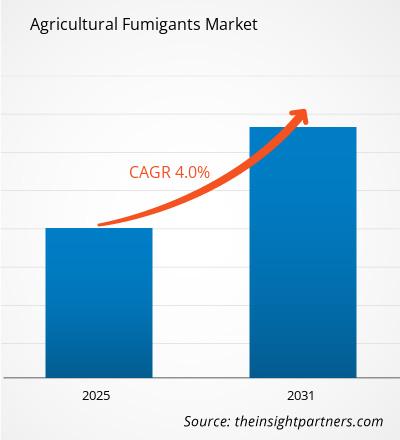
    The global Agricultural Fumigants Market is emerging as a critical segment within the agrochemical industry, driven by the world's urgent need to secure food production and manage pest threats more effectively. According to a detailed market research report by The Insight Partners, the agricultural fumigants market is set to register a compound annual growth rate (CAGR) of 4% between 2025 and 2031, signaling steady and sustained expansion over the coming years. With historical data spanning from 2021 to 2023 and a base year set at 2024, the report offers a thorough lens through which stakeholders can evaluate both current dynamics and future trajectories.

    What Are Agricultural Fumigants?
    Agricultural fumigants are chemical substances used to eliminate pests, insects, fungi, and other harmful organisms in soils and stored grain facilities. They are deployed in various forms — solid, liquid, and gas — and applied across a range of agricultural settings, from open farmland to warehouse storage units. Key product types covered in the market analysis include methyl bromide, phosphine, chloropicrin, metam sodium, and 1,3-dichloropropene, each offering distinct advantages depending on the pest profile and application environment.

    👉 Access Report for More Info: https://www.theinsightpartners.com/reports/agricultural-fumigants-market

    Key Market Drivers
    Several powerful forces are fuelling the growth of the agricultural fumigants market. The most significant among them is the rising global population, which continues to place immense pressure on agricultural systems to produce more food with fewer losses. Farmers worldwide are increasingly turning to fumigants as a reliable tool for eliminating pests and diseases that would otherwise reduce crop yields. Beyond population growth, regulatory support in many countries is actively encouraging the adoption of safer fumigation practices, with governments enacting policies that balance effective pest control with environmental responsibility. Additionally, the growing emphasis on food safety across global supply chains is boosting demand for fumigants that help keep stored grains and produce pest-free, ensuring quality from farm to table.

    Regional Insights
    From a geographical standpoint, Asia Pacific currently dominates the global agricultural fumigants market. This leadership is attributed to the region's rapidly expanding agricultural industry, a surging population base, and increasing levels of agricultural production. Countries like China, India, and Japan are key contributors to this regional share. Meanwhile, North America and Europe represent mature but steady markets, with ongoing innovation and regulatory frameworks shaping consumption patterns. Emerging markets in South and Central America as well as the Middle East and Africa present exciting growth opportunities, particularly as climate change intensifies the need for robust pest management solutions across these regions.

    Future Trends Shaping the Industry
    Looking ahead, the market is poised to undergo significant transformation. One of the most prominent trends is the industry-wide shift toward biodegradable and environmentally safe fumigants. As governments tighten regulations and public awareness around environmental sustainability grows, the demand for less toxic alternatives is expected to rise sharply. Smart farming technologies are also entering the picture, with the integration of IoT, GPS, and data analytics enabling farmers to apply fumigants more precisely, reducing waste and improving overall pest management efficiency. The expansion of the biopesticides market further signals a broader restructuring of how the agricultural sector approaches pest control.

    Key Players
    The agricultural fumigants market is home to several industry titans. Major players include ADAMA Ltd., AMVAC Chemical Corporation, Arkema Group, BASF SE, Isagro SpA, LANXESS AG, Nippon Chemical Industrial Co., Solvay SA, and Syngenta AG. These companies are actively investing in research, innovation, and strategic partnerships to maintain their competitive edge in an evolving marketplace.

    Conclusion
    The agricultural fumigants market stands at an inflection point — balancing the immediate need for effective pest control with the long-term imperative of environmental and health sustainability. With a projected 4% CAGR through 2031 and a growing emphasis on safer, smarter farming technologies, the market offers compelling opportunities for manufacturers, investors, and policymakers alike. As the industry continues to innovate, agricultural fumigants will remain a cornerstone of global food security strategies for years to come.
    Agricultural Fumigants Market to Witness Steady Growth Driven by Rising Crop Protection Demand The global Agricultural Fumigants Market is emerging as a critical segment within the agrochemical industry, driven by the world's urgent need to secure food production and manage pest threats more effectively. According to a detailed market research report by The Insight Partners, the agricultural fumigants market is set to register a compound annual growth rate (CAGR) of 4% between 2025 and 2031, signaling steady and sustained expansion over the coming years. With historical data spanning from 2021 to 2023 and a base year set at 2024, the report offers a thorough lens through which stakeholders can evaluate both current dynamics and future trajectories. What Are Agricultural Fumigants? Agricultural fumigants are chemical substances used to eliminate pests, insects, fungi, and other harmful organisms in soils and stored grain facilities. They are deployed in various forms — solid, liquid, and gas — and applied across a range of agricultural settings, from open farmland to warehouse storage units. Key product types covered in the market analysis include methyl bromide, phosphine, chloropicrin, metam sodium, and 1,3-dichloropropene, each offering distinct advantages depending on the pest profile and application environment. 👉 Access Report for More Info: https://www.theinsightpartners.com/reports/agricultural-fumigants-market Key Market Drivers Several powerful forces are fuelling the growth of the agricultural fumigants market. The most significant among them is the rising global population, which continues to place immense pressure on agricultural systems to produce more food with fewer losses. Farmers worldwide are increasingly turning to fumigants as a reliable tool for eliminating pests and diseases that would otherwise reduce crop yields. Beyond population growth, regulatory support in many countries is actively encouraging the adoption of safer fumigation practices, with governments enacting policies that balance effective pest control with environmental responsibility. Additionally, the growing emphasis on food safety across global supply chains is boosting demand for fumigants that help keep stored grains and produce pest-free, ensuring quality from farm to table. Regional Insights From a geographical standpoint, Asia Pacific currently dominates the global agricultural fumigants market. This leadership is attributed to the region's rapidly expanding agricultural industry, a surging population base, and increasing levels of agricultural production. Countries like China, India, and Japan are key contributors to this regional share. Meanwhile, North America and Europe represent mature but steady markets, with ongoing innovation and regulatory frameworks shaping consumption patterns. Emerging markets in South and Central America as well as the Middle East and Africa present exciting growth opportunities, particularly as climate change intensifies the need for robust pest management solutions across these regions. Future Trends Shaping the Industry Looking ahead, the market is poised to undergo significant transformation. One of the most prominent trends is the industry-wide shift toward biodegradable and environmentally safe fumigants. As governments tighten regulations and public awareness around environmental sustainability grows, the demand for less toxic alternatives is expected to rise sharply. Smart farming technologies are also entering the picture, with the integration of IoT, GPS, and data analytics enabling farmers to apply fumigants more precisely, reducing waste and improving overall pest management efficiency. The expansion of the biopesticides market further signals a broader restructuring of how the agricultural sector approaches pest control. Key Players The agricultural fumigants market is home to several industry titans. Major players include ADAMA Ltd., AMVAC Chemical Corporation, Arkema Group, BASF SE, Isagro SpA, LANXESS AG, Nippon Chemical Industrial Co., Solvay SA, and Syngenta AG. These companies are actively investing in research, innovation, and strategic partnerships to maintain their competitive edge in an evolving marketplace. Conclusion The agricultural fumigants market stands at an inflection point — balancing the immediate need for effective pest control with the long-term imperative of environmental and health sustainability. With a projected 4% CAGR through 2031 and a growing emphasis on safer, smarter farming technologies, the market offers compelling opportunities for manufacturers, investors, and policymakers alike. As the industry continues to innovate, agricultural fumigants will remain a cornerstone of global food security strategies for years to come.
    WWW.THEINSIGHTPARTNERS.COM
    Agricultural Fumigants Market Research Insights Report 2031
    Agricultural Fumigants Market to achieve a CAGR of 4% by 2031. Gain a 360-degree view of the market, including its key drivers and future trends.
    0 Comments 0 Shares 2K Views 0 Reviews
  • Key Benefits of Hygiene Grade Spunlace Nonwoven Fabric
    1. Softness for Sensitive Skin

    The most notable feature of hygiene-grade spunlace nonwoven fabric is its exceptional softness, which makes it ideal for personal care products. Whether it’s for facial cleansing, makeup removal, or baby care, spunlace fabric provides a gentle, irritation-free experience. Its cloth-like texture mimics natural fabric, offering comfort for sensitive or delicate skin. Products like wet wipes and facial towels made from spunlace are less likely to cause abrasions or discomfort, making them suitable for all skin types, including those with allergies or sensitivities.

    2. Superior Absorbency

    Spunlace nonwoven fabric is known for its superior absorbency, a key property for products like makeup remover wipes and wet wipes. The fibers in spunlace fabric are designed to efficiently absorb liquids, ensuring that wipes and towels can hold and distribute moisture effectively. This absorbency allows products to perform their intended function with minimal liquid waste, ensuring that users get the most out of each wipe. The fabric’s ability to maintain its strength while wet also prevents the risk of tearing or losing its structure during use.

    3. Strength and Durability

    Despite its soft feel, hygiene-grade spunlace nonwoven fabric is highly durable. The water jet entangling process ensures that the fibers are securely bonded, making spunlace fabric strong enough to withstand physical stress without tearing. This strength is crucial for products like facial wipes or makeup remover wipes, which require durability to handle the pressure of wiping, scrubbing, and cleansing. Spunlace’s ability to hold up during use ensures long-lasting performance and reduces the likelihood of product failure, even when wet.

    4. Eco-Friendly and Biodegradable

    As sustainability becomes a major factor in consumer choices, spunlace nonwoven fabric stands out for its eco-friendly nature. Many spunlace fabrics are biodegradable, meaning they decompose naturally over time and don’t contribute to long-term environmental damage. This is a significant advantage over traditional wipes and towels made from non-biodegradable materials. With consumers becoming more environmentally conscious, products made from biodegradable spunlace are gaining popularity, especially in the growing market for eco-friendly wipes.
    Hygiene Grade Spunlace Nonwoven
    https://www.spunlacenon-wovenfabric.com/wipes-series/
    Zhejiang Aojia Nonwoven Technology Co., Ltd.: Leading the Way in Hygiene Grade Spunlace Fabric

    Zhejiang Aojia Nonwoven Technology Co., Ltd. is at the forefront of the spunlace nonwoven fabric industry. The company specializes in the production of hygiene-grade spunlace fabric for a wide range of personal care products, including facial wipes, makeup remover wipes, and wet wipes. The company’s wipes series, available on their website Zhejiang Aojia Wipes Series
    , offers a variety of spunlace fabrics designed to meet the demands of the personal care and hygiene market.

    Zhejiang Aojia’s commitment to quality and innovation ensures that every batch of spunlace fabric meets the highest safety standards. Their hygiene-grade fabrics are hypoallergenic, free of harmful chemicals, and manufactured using sustainable practices. With their cutting-edge technology and rigorous quality control measures, Zhejiang Aojia is leading the way in providing consumers with safe, effective, and eco-friendly hygiene products.

    The Future of Hygiene Grade Spunlace Nonwoven Fabric

    As the personal care industry continues to evolve, hygiene-grade spunlace nonwoven fabric is poised to become even more important. With its combination of softness, absorbency, durability, and sustainability, spunlace fabric is the ideal material for a variety of hygiene products. As consumers increasingly prioritize eco-friendly and safe products, spunlace will play a critical role in shaping the future of wipes, facial towels, and other personal care items.

    With Zhejiang Aojia Nonwoven Technology Co., Ltd. continuing to innovate and expand its range of high-quality spunlace fabrics, the market for hygiene products will continue to benefit from the exceptional properties of this advanced material.

    Conclusion

    Hygiene-grade spunlace nonwoven fabric has revolutionized the personal care industry by offering a material that is soft, durable, absorbent, and environmentally friendly. Whether used in wet wipes, facial towels, or makeup remover wipes, spunlace fabric meets the growing consumer demand for high-quality, safe, and sustainable products. As Zhejiang Aojia Nonwoven Technology Co., Ltd. continues to lead the charge in producing superior spunlace fabrics, the future of hygiene products looks brighter and more eco-conscious than ever before.
    Key Benefits of Hygiene Grade Spunlace Nonwoven Fabric 1. Softness for Sensitive Skin The most notable feature of hygiene-grade spunlace nonwoven fabric is its exceptional softness, which makes it ideal for personal care products. Whether it’s for facial cleansing, makeup removal, or baby care, spunlace fabric provides a gentle, irritation-free experience. Its cloth-like texture mimics natural fabric, offering comfort for sensitive or delicate skin. Products like wet wipes and facial towels made from spunlace are less likely to cause abrasions or discomfort, making them suitable for all skin types, including those with allergies or sensitivities. 2. Superior Absorbency Spunlace nonwoven fabric is known for its superior absorbency, a key property for products like makeup remover wipes and wet wipes. The fibers in spunlace fabric are designed to efficiently absorb liquids, ensuring that wipes and towels can hold and distribute moisture effectively. This absorbency allows products to perform their intended function with minimal liquid waste, ensuring that users get the most out of each wipe. The fabric’s ability to maintain its strength while wet also prevents the risk of tearing or losing its structure during use. 3. Strength and Durability Despite its soft feel, hygiene-grade spunlace nonwoven fabric is highly durable. The water jet entangling process ensures that the fibers are securely bonded, making spunlace fabric strong enough to withstand physical stress without tearing. This strength is crucial for products like facial wipes or makeup remover wipes, which require durability to handle the pressure of wiping, scrubbing, and cleansing. Spunlace’s ability to hold up during use ensures long-lasting performance and reduces the likelihood of product failure, even when wet. 4. Eco-Friendly and Biodegradable As sustainability becomes a major factor in consumer choices, spunlace nonwoven fabric stands out for its eco-friendly nature. Many spunlace fabrics are biodegradable, meaning they decompose naturally over time and don’t contribute to long-term environmental damage. This is a significant advantage over traditional wipes and towels made from non-biodegradable materials. With consumers becoming more environmentally conscious, products made from biodegradable spunlace are gaining popularity, especially in the growing market for eco-friendly wipes. Hygiene Grade Spunlace Nonwoven https://www.spunlacenon-wovenfabric.com/wipes-series/ Zhejiang Aojia Nonwoven Technology Co., Ltd.: Leading the Way in Hygiene Grade Spunlace Fabric Zhejiang Aojia Nonwoven Technology Co., Ltd. is at the forefront of the spunlace nonwoven fabric industry. The company specializes in the production of hygiene-grade spunlace fabric for a wide range of personal care products, including facial wipes, makeup remover wipes, and wet wipes. The company’s wipes series, available on their website Zhejiang Aojia Wipes Series , offers a variety of spunlace fabrics designed to meet the demands of the personal care and hygiene market. Zhejiang Aojia’s commitment to quality and innovation ensures that every batch of spunlace fabric meets the highest safety standards. Their hygiene-grade fabrics are hypoallergenic, free of harmful chemicals, and manufactured using sustainable practices. With their cutting-edge technology and rigorous quality control measures, Zhejiang Aojia is leading the way in providing consumers with safe, effective, and eco-friendly hygiene products. The Future of Hygiene Grade Spunlace Nonwoven Fabric As the personal care industry continues to evolve, hygiene-grade spunlace nonwoven fabric is poised to become even more important. With its combination of softness, absorbency, durability, and sustainability, spunlace fabric is the ideal material for a variety of hygiene products. As consumers increasingly prioritize eco-friendly and safe products, spunlace will play a critical role in shaping the future of wipes, facial towels, and other personal care items. With Zhejiang Aojia Nonwoven Technology Co., Ltd. continuing to innovate and expand its range of high-quality spunlace fabrics, the market for hygiene products will continue to benefit from the exceptional properties of this advanced material. Conclusion Hygiene-grade spunlace nonwoven fabric has revolutionized the personal care industry by offering a material that is soft, durable, absorbent, and environmentally friendly. Whether used in wet wipes, facial towels, or makeup remover wipes, spunlace fabric meets the growing consumer demand for high-quality, safe, and sustainable products. As Zhejiang Aojia Nonwoven Technology Co., Ltd. continues to lead the charge in producing superior spunlace fabrics, the future of hygiene products looks brighter and more eco-conscious than ever before.
    High Quality Hygiene Grade Spunlace Nonwoven Company - Zhejiang Aojia Nonwoven Technology Co., Ltd
    Hygiene grade spunlace nonwoven engineered for exceptional softness, absorbency, and safety, perfect for baby care, wet wipes, and medical hygiene products.
    0 Comments 0 Shares 1K Views 0 Reviews
  • The beauty industry is no stranger to innovations that promise to enhance user experience while also offering superior performance. One such innovation gaining significant traction is Spunklace, a premium spunlace nonwoven fabric produced by Zhejiang Aojia Nonwoven Technology Co., Ltd. Spunklace is quickly becoming a go-to material in beauty products, particularly in facial masks and depilatory cloths, due to its unique properties, including softness, durability, and sustainability.
    Spunlace For Beauty Products
    https://www.spunlacenon-wovenfabric.com/cosmetology/
    What is Spunlace Nonwoven Fabric?

    Spunlace nonwoven fabric is created by using high-pressure water jets to entangle fibers together, forming a fabric that is strong, flexible, and breathable without the need for adhesives. This process results in a fabric that is ideal for applications where comfort, moisture retention, and skin-friendly qualities are crucial. Whether used for facial masks, depilatory cloths, or other beauty products, spunlace delivers superior performance while maintaining its eco-friendly advantages.

    The unique properties of Spunklace make it particularly beneficial for beauty applications. It can hold large amounts of moisture and retain active ingredients, making it ideal for products designed to deliver deep hydration and nourishment to the skin. Its breathable, soft texture ensures a comfortable experience, even for the most sensitive skin types.

    Spunklace for Facial Masks: A Step Ahead in Skincare

    Facial masks have become a must-have in many skincare routines, delivering targeted treatments to improve skin health and appearance. However, the effectiveness of these masks depends heavily on the material used to deliver the active ingredients. Spunklace facial masks are revolutionizing skincare by ensuring that the moisture and beneficial ingredients in the mask remain on the skin longer, increasing their effectiveness.

    The fabric’s high absorbency means that the mask can retain more serum, delivering greater hydration and nourishment. The soft texture of Spunklace allows the mask to stay comfortably in place, while its breathability prevents the feeling of suffocation that can sometimes occur with other mask fabrics. Whether the mask is meant to hydrate, brighten, or combat aging, Spunklace enhances the skincare experience, making it more effective and enjoyable.

    Spunklace for Depilatory Cloths: A Gentle Yet Effective Hair Removal Solution

    When it comes to depilatory cloths used in waxing or other hair removal treatments, the material plays an essential role in both comfort and effectiveness. Spunklace depilatory cloths offer a superior alternative to traditional cloths, combining flexibility, durability, and a soft touch.

    The unique properties of Spunklace make it easy to apply wax evenly, providing a smoother hair removal process. The fabric’s softness helps reduce irritation and discomfort, making it ideal for sensitive skin areas like the face, underarms, and bikini line. Spunklace depilatory cloths conform to the skin’s contours, ensuring a more efficient and less painful hair removal experience, while also minimizing the risk of redness or irritation.

    Sustainability: The Eco-Friendly Advantage of Spunklace

    In addition to its superior performance, Spunklace is an eco-friendly alternative to traditional synthetic materials. The production of spunlace fabric uses less water and energy compared to conventional textiles, reducing its environmental impact. Additionally, Spunklace is biodegradable, ensuring that it won’t contribute to long-term waste.

    With increasing consumer demand for sustainable beauty products, Spunklace offers beauty brands the opportunity to meet this demand without compromising on quality. By incorporating Spunklace into facial masks, depilatory cloths, and other beauty products, brands can promote both high performance and sustainability.

    Why Spunklace is the Future of Beauty Products

    As the beauty industry continues to evolve, Spunklace for beauty products is poised to play a key role in shaping the future of skincare and personal care. Whether in facial masks that offer long-lasting hydration or depilatory cloths that provide a smoother, more comfortable hair removal experience, Spunklace combines the best of innovation, performance, and sustainability.

    The versatility and eco-friendliness of Spunklace make it the ideal fabric for the beauty products of tomorrow. As consumers increasingly seek high-quality, environmentally conscious products, Spunklace stands out as a solution that meets both performance and sustainability demands.
    The beauty industry is no stranger to innovations that promise to enhance user experience while also offering superior performance. One such innovation gaining significant traction is Spunklace, a premium spunlace nonwoven fabric produced by Zhejiang Aojia Nonwoven Technology Co., Ltd. Spunklace is quickly becoming a go-to material in beauty products, particularly in facial masks and depilatory cloths, due to its unique properties, including softness, durability, and sustainability. Spunlace For Beauty Products https://www.spunlacenon-wovenfabric.com/cosmetology/ What is Spunlace Nonwoven Fabric? Spunlace nonwoven fabric is created by using high-pressure water jets to entangle fibers together, forming a fabric that is strong, flexible, and breathable without the need for adhesives. This process results in a fabric that is ideal for applications where comfort, moisture retention, and skin-friendly qualities are crucial. Whether used for facial masks, depilatory cloths, or other beauty products, spunlace delivers superior performance while maintaining its eco-friendly advantages. The unique properties of Spunklace make it particularly beneficial for beauty applications. It can hold large amounts of moisture and retain active ingredients, making it ideal for products designed to deliver deep hydration and nourishment to the skin. Its breathable, soft texture ensures a comfortable experience, even for the most sensitive skin types. Spunklace for Facial Masks: A Step Ahead in Skincare Facial masks have become a must-have in many skincare routines, delivering targeted treatments to improve skin health and appearance. However, the effectiveness of these masks depends heavily on the material used to deliver the active ingredients. Spunklace facial masks are revolutionizing skincare by ensuring that the moisture and beneficial ingredients in the mask remain on the skin longer, increasing their effectiveness. The fabric’s high absorbency means that the mask can retain more serum, delivering greater hydration and nourishment. The soft texture of Spunklace allows the mask to stay comfortably in place, while its breathability prevents the feeling of suffocation that can sometimes occur with other mask fabrics. Whether the mask is meant to hydrate, brighten, or combat aging, Spunklace enhances the skincare experience, making it more effective and enjoyable. Spunklace for Depilatory Cloths: A Gentle Yet Effective Hair Removal Solution When it comes to depilatory cloths used in waxing or other hair removal treatments, the material plays an essential role in both comfort and effectiveness. Spunklace depilatory cloths offer a superior alternative to traditional cloths, combining flexibility, durability, and a soft touch. The unique properties of Spunklace make it easy to apply wax evenly, providing a smoother hair removal process. The fabric’s softness helps reduce irritation and discomfort, making it ideal for sensitive skin areas like the face, underarms, and bikini line. Spunklace depilatory cloths conform to the skin’s contours, ensuring a more efficient and less painful hair removal experience, while also minimizing the risk of redness or irritation. Sustainability: The Eco-Friendly Advantage of Spunklace In addition to its superior performance, Spunklace is an eco-friendly alternative to traditional synthetic materials. The production of spunlace fabric uses less water and energy compared to conventional textiles, reducing its environmental impact. Additionally, Spunklace is biodegradable, ensuring that it won’t contribute to long-term waste. With increasing consumer demand for sustainable beauty products, Spunklace offers beauty brands the opportunity to meet this demand without compromising on quality. By incorporating Spunklace into facial masks, depilatory cloths, and other beauty products, brands can promote both high performance and sustainability. Why Spunklace is the Future of Beauty Products As the beauty industry continues to evolve, Spunklace for beauty products is poised to play a key role in shaping the future of skincare and personal care. Whether in facial masks that offer long-lasting hydration or depilatory cloths that provide a smoother, more comfortable hair removal experience, Spunklace combines the best of innovation, performance, and sustainability. The versatility and eco-friendliness of Spunklace make it the ideal fabric for the beauty products of tomorrow. As consumers increasingly seek high-quality, environmentally conscious products, Spunklace stands out as a solution that meets both performance and sustainability demands.
    China Spunlace For Beauty Products Supplier Factory - Zhejiang Aojia Nonwoven Technology Co., Ltd
    Spunlace for beauty products, engineered through a high-pressure hydroentangling process, has emerged as the leading choice thanks to its softness, absorbency, and exceptional structural integrity.
    0 Comments 0 Shares 1K Views 0 Reviews
  • https://amrinocarpenter.blogspot.com/2025/12/biodegradable-plastics-market.html
    https://amrinocarpenter.blogspot.com/2025/12/biodegradable-plastics-market.html
    AMRINOCARPENTER.BLOGSPOT.COM
    Biodegradable Plastics Market ??? Sustainable Material Adoption Reshaping Packaging and Consumer Goods
    " Executive Summary: Biodegradable Plastics Market Size and Share by Application & Industry CAGR Value A worldwide Biodegradabl...
    0 Comments 0 Shares 481 Views 0 Reviews
  • https://www.databridgemarketresearch.com/reports/global-biodegradable-tableware-market
    https://www.databridgemarketresearch.com/reports/global-biodegradable-tableware-market
    Biodegradable Tableware Market – Global Market – Industry Trends and Forecast to 2029 | Data Bridge Market Research
    The Biodegradable Tableware market was valued at USD 0.00 in 2023 and is expected to reach USD 0.00 by 2030, growing at a CAGR of 0% (2024-2030). Get insights on trends, segmentation, and key players with Data Bridge Market Research Reports.
    0 Comments 0 Shares 258 Views 0 Reviews