
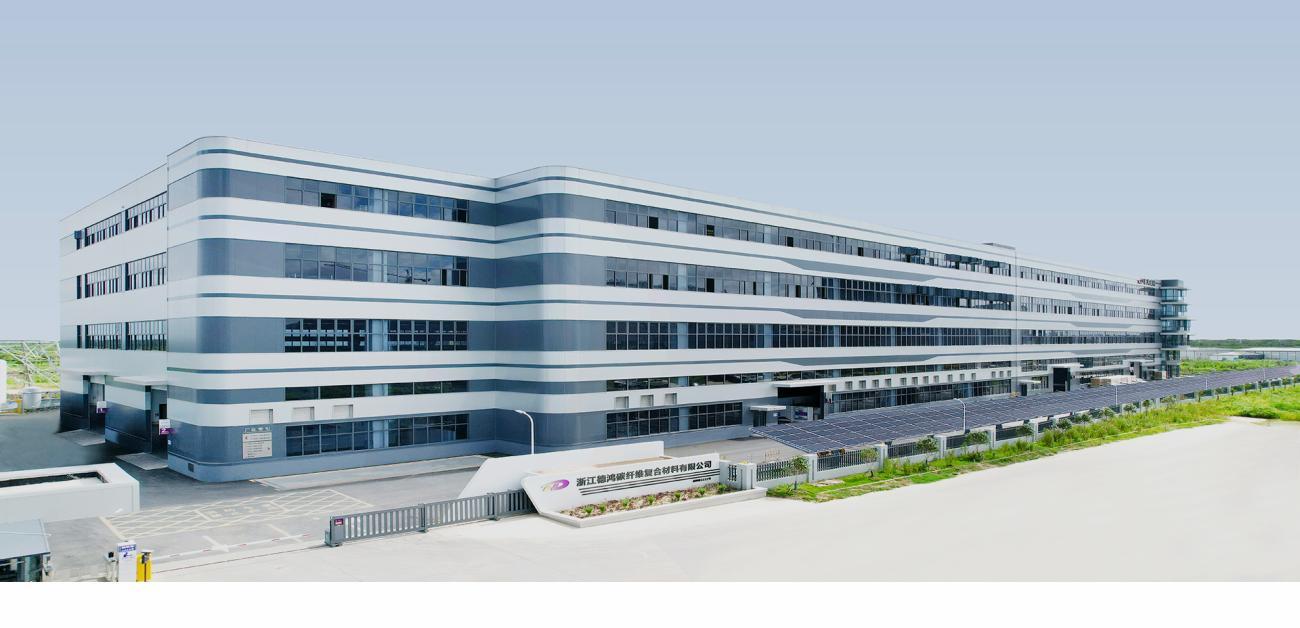

Zhejiang Dehong Carbon Fiber Composite Material Co., Ltd. specializes in carbon-carbon composite materials primarily used in crystal growth, vacuum heat treatment, braking systems, and new energy applications.
Web:https://www.carbon-material.com/
Add:No.2222 Xinfeng Road, Weitang Street, Jiashan County, Jiaxing City, Zhejiang Province, China
Phone:+86-13375735066
E-mail:gongbinbin@zhejiangdehong.com
Web:https://www.carbon-material.com/
Add:No.2222 Xinfeng Road, Weitang Street, Jiashan County, Jiaxing City, Zhejiang Province, China
Phone:+86-13375735066
E-mail:gongbinbin@zhejiangdehong.com
-
5 Publicações
-
2 fotos
-
0 Vídeos
-
Zhejiang Dehong Carbon Fiber Composite Material Co., Ltd em No.2222 Xinfeng Road, Weitang Street, Jiashan County, Jiaxing City, Zhejiang Province, China
-
Male
-
Solteiro
-
11/05/1998
-
Seguido por 4 pessoas
Pesquisar

 English
 Arabic
 French
 Spanish
 Portuguese
 Deutsch
 Turkish
 Dutch
Dutch
 Italiano
 Russian
 Romaian
 Greek
Greek
Atualizações recentes
-
Single Crystal Furnace Heater: Advanced High-Temperature Heat Treatment Technology
The Single Crystal Furnace Heater is a cutting-edge solution designed for high-performance heat treatment applications, offering precision, reliability, and durability. Its ability to operate under extreme temperatures makes it indispensable in industries like semiconductor manufacturing, aerospace, and advanced material engineering. With a unique construction that combines high strength, high modulus, and stable physical and chemical properties, this heater ensures optimal results in demanding environments.
Single Crystal Furnace Heater
https://www.carbon-material.com/main-heater.html
What is the Single Crystal Furnace Heater?
The Single Crystal Furnace Heater is designed to provide precise temperature control in high-temperature applications. It is manufactured using barrel-shaped products formed by winding and layering non-woven fabrics, woven fabrics, and fiber mats. These layers are fused together using needle-punching technology and then densified through a combination of gas-phase inflation and liquid-phase impregnation, creating a durable and thermally stable material capable of withstanding high mechanical stresses and temperatures.
Key Features and Advantages
High Strength and Modulus
The Single Crystal Furnace Heater is built to last, offering high strength and high modulus. This ensures the heater remains structurally intact and efficient, even under extreme conditions. Its robust design makes it ideal for high-performance applications requiring durability and stability.
Excellent Ablation Resistance
The heater boasts excellent ablation resistance, meaning it can endure prolonged exposure to high heat without degradation. This makes it suitable for continuous operation in high-temperature environments where other materials might fail.
Corrosion Resistance
The Single Crystal Furnace Heater is highly resistant to corrosion, even when exposed to harsh chemicals or gases commonly encountered in high-temperature applications. This ensures it maintains its integrity and performance over time, reducing the need for frequent replacements.
Long Service Life
Thanks to its durable construction and advanced materials, the Single Crystal Furnace Heater offers a long service life, making it a cost-effective solution for industries requiring continuous and reliable heat treatment. This longevity reduces maintenance and replacement costs, improving overall efficiency.
Stable Physical and Chemical Properties
The Single Crystal Furnace Heater maintains stable physical and chemical properties, even under intense thermal cycling. This ensures that the heater can deliver consistent and reliable performance throughout its lifespan, which is critical in applications that demand precision heat treatment.
Production Process of the Single Crystal Furnace Heater
The manufacturing process of the Single Crystal Furnace Heater is highly specialized to ensure its superior performance:
Blank Formation
The process begins with the preparation of the base material, where non-woven fabrics, woven fabrics, and fiber mats are carefully wound and laid to create the foundational layer. This initial step ensures that the heater has the strength and structure required for high-temperature applications.
Needle-Punching Technology
Needle-punching technology is then applied to bond the layers together. This process enhances the material’s strength and improves its resistance to mechanical stresses and thermal fluctuations.
Gas-Phase Inflation and Liquid-Phase Impregnation
The material is further densified using gas-phase inflation and liquid-phase impregnation, which improves its thermal conductivity, resistance to high temperatures, and uniform density. These processes ensure that the heater operates efficiently and consistently, even in extreme conditions.
Machining and Final Testing
The final step involves precision machining, where the heater is shaped and prepared to meet the exact specifications required for high-temperature heat treatment. After machining, the heater undergoes rigorous testing to ensure it meets all performance standards.Single Crystal Furnace Heater: Advanced High-Temperature Heat Treatment Technology The Single Crystal Furnace Heater is a cutting-edge solution designed for high-performance heat treatment applications, offering precision, reliability, and durability. Its ability to operate under extreme temperatures makes it indispensable in industries like semiconductor manufacturing, aerospace, and advanced material engineering. With a unique construction that combines high strength, high modulus, and stable physical and chemical properties, this heater ensures optimal results in demanding environments. Single Crystal Furnace Heater https://www.carbon-material.com/main-heater.html What is the Single Crystal Furnace Heater? The Single Crystal Furnace Heater is designed to provide precise temperature control in high-temperature applications. It is manufactured using barrel-shaped products formed by winding and layering non-woven fabrics, woven fabrics, and fiber mats. These layers are fused together using needle-punching technology and then densified through a combination of gas-phase inflation and liquid-phase impregnation, creating a durable and thermally stable material capable of withstanding high mechanical stresses and temperatures. Key Features and Advantages High Strength and Modulus The Single Crystal Furnace Heater is built to last, offering high strength and high modulus. This ensures the heater remains structurally intact and efficient, even under extreme conditions. Its robust design makes it ideal for high-performance applications requiring durability and stability. Excellent Ablation Resistance The heater boasts excellent ablation resistance, meaning it can endure prolonged exposure to high heat without degradation. This makes it suitable for continuous operation in high-temperature environments where other materials might fail. Corrosion Resistance The Single Crystal Furnace Heater is highly resistant to corrosion, even when exposed to harsh chemicals or gases commonly encountered in high-temperature applications. This ensures it maintains its integrity and performance over time, reducing the need for frequent replacements. Long Service Life Thanks to its durable construction and advanced materials, the Single Crystal Furnace Heater offers a long service life, making it a cost-effective solution for industries requiring continuous and reliable heat treatment. This longevity reduces maintenance and replacement costs, improving overall efficiency. Stable Physical and Chemical Properties The Single Crystal Furnace Heater maintains stable physical and chemical properties, even under intense thermal cycling. This ensures that the heater can deliver consistent and reliable performance throughout its lifespan, which is critical in applications that demand precision heat treatment. Production Process of the Single Crystal Furnace Heater The manufacturing process of the Single Crystal Furnace Heater is highly specialized to ensure its superior performance: Blank Formation The process begins with the preparation of the base material, where non-woven fabrics, woven fabrics, and fiber mats are carefully wound and laid to create the foundational layer. This initial step ensures that the heater has the strength and structure required for high-temperature applications. Needle-Punching Technology Needle-punching technology is then applied to bond the layers together. This process enhances the material’s strength and improves its resistance to mechanical stresses and thermal fluctuations. Gas-Phase Inflation and Liquid-Phase Impregnation The material is further densified using gas-phase inflation and liquid-phase impregnation, which improves its thermal conductivity, resistance to high temperatures, and uniform density. These processes ensure that the heater operates efficiently and consistently, even in extreme conditions. Machining and Final Testing The final step involves precision machining, where the heater is shaped and prepared to meet the exact specifications required for high-temperature heat treatment. After machining, the heater undergoes rigorous testing to ensure it meets all performance standards.0 Comentários 0 Compartilhamentos 1KB Visualizações 0 Anterior -
Maximizing Performance with Carbon Carbon Hot Press Molds
Introduction:
In the world of high-performance manufacturing, few materials are as well-suited for extreme conditions as Carbon Carbon Hot Press Molds. Made from Grade T700 high-strength carbon fiber, these molds deliver exceptional strength, thermal stability, and resistance to corrosion and thermal shock. They are critical in applications where high temperatures and mechanical stress are the norm, such as aerospace, energy production, and special ceramic sintering.
Carbon Carbon Hot Press Mold
https://www.carbon-material.com/carbon-carbon-hot-press-mold.html
What Are Carbon Carbon Hot Press Molds?
The Carbon Carbon Hot Press Mold is a specialized tooling material created by combining high-strength Grade T700 carbon fiber with cutting-edge manufacturing processes. The mold is made through 3D weaving, liquid-phase deposition, and high-temperature, high-pressure impregnation carbonization, resulting in a high-density, durable mold material capable of withstanding the harshest environments.
Manufacturing Process:
Preform Ligands via 3D Weaving:
The process starts with Grade T700 carbon fiber, chosen for its superior mechanical properties. The fibers are woven into preform ligands using advanced 3D weaving techniques, ensuring uniformity and strength throughout the mold.
Carbonization and Liquid Phase Deposition:
After the preforms are woven, they are subjected to liquid-phase deposition followed by high-temperature, high-pressure impregnation carbonization. This process results in a carbon-carbon composite material with a final density of 1.6–1.65 g/cm³, providing the necessary strength and thermal stability.
Rigorous Testing Under Extreme Conditions:
The molds undergo intense testing to ensure they meet the requirements of demanding applications. They are tested under conditions of 2000–2300°C and pressures ranging from 20–50 MPa. These tests confirm the mold’s ability to perform reliably under extreme stress and temperature variations.
Advantages of Carbon Carbon Hot Press Molds:
High Strength: Carbon-carbon composites offer unparalleled mechanical strength, enabling these molds to withstand significant pressure and stress.
Corrosion Resistance: Carbon materials are inherently resistant to corrosion, ensuring long-term durability in environments that expose the mold to harsh chemicals.
Thermal Shock Resistance: The molds are designed to endure rapid temperature changes without cracking, making them perfect for industries requiring consistent thermal cycling.
Applications of Carbon Carbon Hot Press Molds:
Aerospace Industry: Carbon Carbon Hot Press Molds are used to manufacture high-performance components like engine parts, heat shields, and rocket nozzles, all of which must endure extreme temperatures and mechanical stresses.
Energy Production: In the energy sector, these molds are essential for producing turbine blades, reactor components, and other critical parts exposed to extreme thermal and mechanical conditions.
Ceramic Sintering: Carbon Carbon Hot Press Molds play a key role in special ceramic sintering processes, where high-precision and heat resistance are required to produce advanced ceramics used in electronics, medical devices, and more.
Conclusion:
The Carbon Carbon Hot Press Mold is a high-performance solution that meets the rigorous demands of industries requiring tooling materials capable of withstanding extreme conditions. With its high strength, corrosion resistance, and thermal shock resistance, it is the ideal choice for manufacturing processes in aerospace, energy, and ceramic industries.Maximizing Performance with Carbon Carbon Hot Press Molds Introduction: In the world of high-performance manufacturing, few materials are as well-suited for extreme conditions as Carbon Carbon Hot Press Molds. Made from Grade T700 high-strength carbon fiber, these molds deliver exceptional strength, thermal stability, and resistance to corrosion and thermal shock. They are critical in applications where high temperatures and mechanical stress are the norm, such as aerospace, energy production, and special ceramic sintering. Carbon Carbon Hot Press Mold https://www.carbon-material.com/carbon-carbon-hot-press-mold.html What Are Carbon Carbon Hot Press Molds? The Carbon Carbon Hot Press Mold is a specialized tooling material created by combining high-strength Grade T700 carbon fiber with cutting-edge manufacturing processes. The mold is made through 3D weaving, liquid-phase deposition, and high-temperature, high-pressure impregnation carbonization, resulting in a high-density, durable mold material capable of withstanding the harshest environments. Manufacturing Process: Preform Ligands via 3D Weaving: The process starts with Grade T700 carbon fiber, chosen for its superior mechanical properties. The fibers are woven into preform ligands using advanced 3D weaving techniques, ensuring uniformity and strength throughout the mold. Carbonization and Liquid Phase Deposition: After the preforms are woven, they are subjected to liquid-phase deposition followed by high-temperature, high-pressure impregnation carbonization. This process results in a carbon-carbon composite material with a final density of 1.6–1.65 g/cm³, providing the necessary strength and thermal stability. Rigorous Testing Under Extreme Conditions: The molds undergo intense testing to ensure they meet the requirements of demanding applications. They are tested under conditions of 2000–2300°C and pressures ranging from 20–50 MPa. These tests confirm the mold’s ability to perform reliably under extreme stress and temperature variations. Advantages of Carbon Carbon Hot Press Molds: High Strength: Carbon-carbon composites offer unparalleled mechanical strength, enabling these molds to withstand significant pressure and stress. Corrosion Resistance: Carbon materials are inherently resistant to corrosion, ensuring long-term durability in environments that expose the mold to harsh chemicals. Thermal Shock Resistance: The molds are designed to endure rapid temperature changes without cracking, making them perfect for industries requiring consistent thermal cycling. Applications of Carbon Carbon Hot Press Molds: Aerospace Industry: Carbon Carbon Hot Press Molds are used to manufacture high-performance components like engine parts, heat shields, and rocket nozzles, all of which must endure extreme temperatures and mechanical stresses. Energy Production: In the energy sector, these molds are essential for producing turbine blades, reactor components, and other critical parts exposed to extreme thermal and mechanical conditions. Ceramic Sintering: Carbon Carbon Hot Press Molds play a key role in special ceramic sintering processes, where high-precision and heat resistance are required to produce advanced ceramics used in electronics, medical devices, and more. Conclusion: The Carbon Carbon Hot Press Mold is a high-performance solution that meets the rigorous demands of industries requiring tooling materials capable of withstanding extreme conditions. With its high strength, corrosion resistance, and thermal shock resistance, it is the ideal choice for manufacturing processes in aerospace, energy, and ceramic industries.0 Comentários 0 Compartilhamentos 1KB Visualizações 0 Anterior -
The Essential Role of a Carbon Preforms Manufacturer in High-Performance Applications
In today's industries, materials that can withstand extreme heat, mechanical stress, and wear are more crucial than ever. Carbon preforms are a critical solution in this regard, providing the foundational structure for high-performance components used across aerospace, automotive, semiconductor, and other high-tech sectors. The Carbon Preforms Manufacturer plays a key role in producing these advanced materials, ensuring they meet the rigorous standards required for various demanding applications.
This article explores the process of carbon preform manufacturing, the various applications these preforms serve, and how they are crucial to advancing modern technologies.
Carbon Preforms Manufacturer
https://www.carbon-material.com/preform-field/
What Are Carbon Preforms?
Carbon preforms are materials made by layering carbon fiber fabrics and fiber mats, which are reinforced with short fibers for added strength. These preforms are then processed into high-performance carbon-based components, capable of withstanding extreme temperatures, mechanical stress, and wear. The result is a highly durable material suitable for use in industries that require top-tier reliability and performance.
A Carbon Preforms Manufacturer specializes in producing these preforms to meet specific customer requirements, ensuring the material properties align with the needs of various applications. These preforms can be created in several shapes—cylindrical, plate-shaped, or customized special forms—depending on the end-use specifications.
Deposition Furnace Liners: Advanced Materials for High-Temperature Processes
One of the most important applications for carbon preforms is in the production of deposition furnace liners, especially for chemical vapor deposition (CVD) processes. These liners are essential for industries that rely on high-precision manufacturing processes, such as semiconductor production, where temperature control and material integrity are critical.
The manufacturing process begins with nets made from continuous long-fiber carbon fabrics and mesh fabrics, which are alternately layered with short-cut fibers to provide structural reinforcement. The fabric is then processed into quasi-3D fabrics using specialized techniques. This advanced manufacturing method ensures stable performance, uniformity, and strong interlayer bonding in the final preform.
These preforms can be tailored to meet specific shape requirements, such as cylindrical, plate-shaped, or other customized configurations. CVD deposition furnace liners made from these carbon preforms offer superior thermal stability and resistance to wear and thermal cycling, making them ideal for demanding high-temperature applications.
Tray Preforms: Supporting Vacuum Furnace Components
Another key application for carbon preforms is in the production of tray preforms for large-scale vacuum furnaces. These furnaces are used for high-precision material processing and require durable, high-performance components to support heavy loads during the heat treatment and synthesis processes.
Tray preforms are produced by layering weftless fabric or warp-weft fabric combined with fiber mats in alternating layers, followed by needling technology to enhance the material's strength and load-bearing capacity. These preforms are then shaped into components like high-temperature furnace tooling plates and deposition furnace hoisting trays.
The ability to customize tray preforms ensures they meet the specific requirements of different vacuum furnace designs, where they play a critical role in supporting the weight of components during operation. The strength, durability, and thermal stability of these tray preforms are essential for maintaining the efficiency and reliability of the vacuum furnace.
Brake Disc Preforms: High-Performance Materials for Transportation Systems
Carbon preforms are also essential in the production of brake disc preforms for automobiles, aircraft, and high-speed trains. Brake discs must be able to withstand high temperatures and mechanical forces generated during braking, making the choice of material critical for safety and performance.
Brake disc preforms are produced using a similar process to that of deposition furnace liners and tray preforms, where weftless fabrics and fiber mats are layered together and processed with needling technology. The result is a high-strength, heat-resistant material capable of enduring the extreme stresses placed on brake discs during operation.
The thermal stability, strength, and wear resistance of carbon brake disc preforms make them ideal for use in high-performance vehicles and transportation systems, ensuring that braking systems remain reliable and safe even under extreme conditions.The Essential Role of a Carbon Preforms Manufacturer in High-Performance Applications In today's industries, materials that can withstand extreme heat, mechanical stress, and wear are more crucial than ever. Carbon preforms are a critical solution in this regard, providing the foundational structure for high-performance components used across aerospace, automotive, semiconductor, and other high-tech sectors. The Carbon Preforms Manufacturer plays a key role in producing these advanced materials, ensuring they meet the rigorous standards required for various demanding applications. This article explores the process of carbon preform manufacturing, the various applications these preforms serve, and how they are crucial to advancing modern technologies. Carbon Preforms Manufacturer https://www.carbon-material.com/preform-field/ What Are Carbon Preforms? Carbon preforms are materials made by layering carbon fiber fabrics and fiber mats, which are reinforced with short fibers for added strength. These preforms are then processed into high-performance carbon-based components, capable of withstanding extreme temperatures, mechanical stress, and wear. The result is a highly durable material suitable for use in industries that require top-tier reliability and performance. A Carbon Preforms Manufacturer specializes in producing these preforms to meet specific customer requirements, ensuring the material properties align with the needs of various applications. These preforms can be created in several shapes—cylindrical, plate-shaped, or customized special forms—depending on the end-use specifications. Deposition Furnace Liners: Advanced Materials for High-Temperature Processes One of the most important applications for carbon preforms is in the production of deposition furnace liners, especially for chemical vapor deposition (CVD) processes. These liners are essential for industries that rely on high-precision manufacturing processes, such as semiconductor production, where temperature control and material integrity are critical. The manufacturing process begins with nets made from continuous long-fiber carbon fabrics and mesh fabrics, which are alternately layered with short-cut fibers to provide structural reinforcement. The fabric is then processed into quasi-3D fabrics using specialized techniques. This advanced manufacturing method ensures stable performance, uniformity, and strong interlayer bonding in the final preform. These preforms can be tailored to meet specific shape requirements, such as cylindrical, plate-shaped, or other customized configurations. CVD deposition furnace liners made from these carbon preforms offer superior thermal stability and resistance to wear and thermal cycling, making them ideal for demanding high-temperature applications. Tray Preforms: Supporting Vacuum Furnace Components Another key application for carbon preforms is in the production of tray preforms for large-scale vacuum furnaces. These furnaces are used for high-precision material processing and require durable, high-performance components to support heavy loads during the heat treatment and synthesis processes. Tray preforms are produced by layering weftless fabric or warp-weft fabric combined with fiber mats in alternating layers, followed by needling technology to enhance the material's strength and load-bearing capacity. These preforms are then shaped into components like high-temperature furnace tooling plates and deposition furnace hoisting trays. The ability to customize tray preforms ensures they meet the specific requirements of different vacuum furnace designs, where they play a critical role in supporting the weight of components during operation. The strength, durability, and thermal stability of these tray preforms are essential for maintaining the efficiency and reliability of the vacuum furnace. Brake Disc Preforms: High-Performance Materials for Transportation Systems Carbon preforms are also essential in the production of brake disc preforms for automobiles, aircraft, and high-speed trains. Brake discs must be able to withstand high temperatures and mechanical forces generated during braking, making the choice of material critical for safety and performance. Brake disc preforms are produced using a similar process to that of deposition furnace liners and tray preforms, where weftless fabrics and fiber mats are layered together and processed with needling technology. The result is a high-strength, heat-resistant material capable of enduring the extreme stresses placed on brake discs during operation. The thermal stability, strength, and wear resistance of carbon brake disc preforms make them ideal for use in high-performance vehicles and transportation systems, ensuring that braking systems remain reliable and safe even under extreme conditions.0 Comentários 0 Compartilhamentos 1KB Visualizações 0 Anterior

Mais stories